
Electrical safety remains an essential responsibility across every property type. A clear process helps reduce hidden faults and safety gaps. EICR Safety Inspection supports safe wiring conditions through structured checks and clear records. Regular assessment strengthens trust and supports legal alignment. EICR Requirements guide the inspection scope and reporting method. Compliance relies on trained professionals and verified testing steps. Clear documentation reduces disputes and supports smooth property control. EICR Certificate London confirms assessment status through an accepted format used across regulated environments. Records support tenancy responsibilities and internal safety planning. Electrical faults often stay unseen without proper review. Preventive checks reduce fire risk and equipment damage. EICR Cost discussions vary based on layout and system age. Direct contact with an inspection team provides accurate guidance without assumptions. Electrical compliance depends on clarity and consistency. Proper scheduling keeps systems safe and organized. Verified inspection records support accountability across management teams. Electrical safety awareness builds confidence and stability across all occupied spaces.
Key Takeaways
- EICR Safety Inspection supports electrical safety through a structured review
- Inspection reports confirm wiring condition and protection response
- Clear documentation strengthens compliance control and record management
- Certified reports support tenancy duties and legal alignment
- Electrical faults often remain hidden without formal inspection
- Shared housing requires deeper inspection due to higher system load
- Remedial work follows report grading and safety priority
- Prepared access supports smoother inspection progress
- Professional assessment reduces risk across occupied spaces
- Regular inspection builds confidence and stability in property management
What Is an EICR and Why Does Every Landlord Need One?
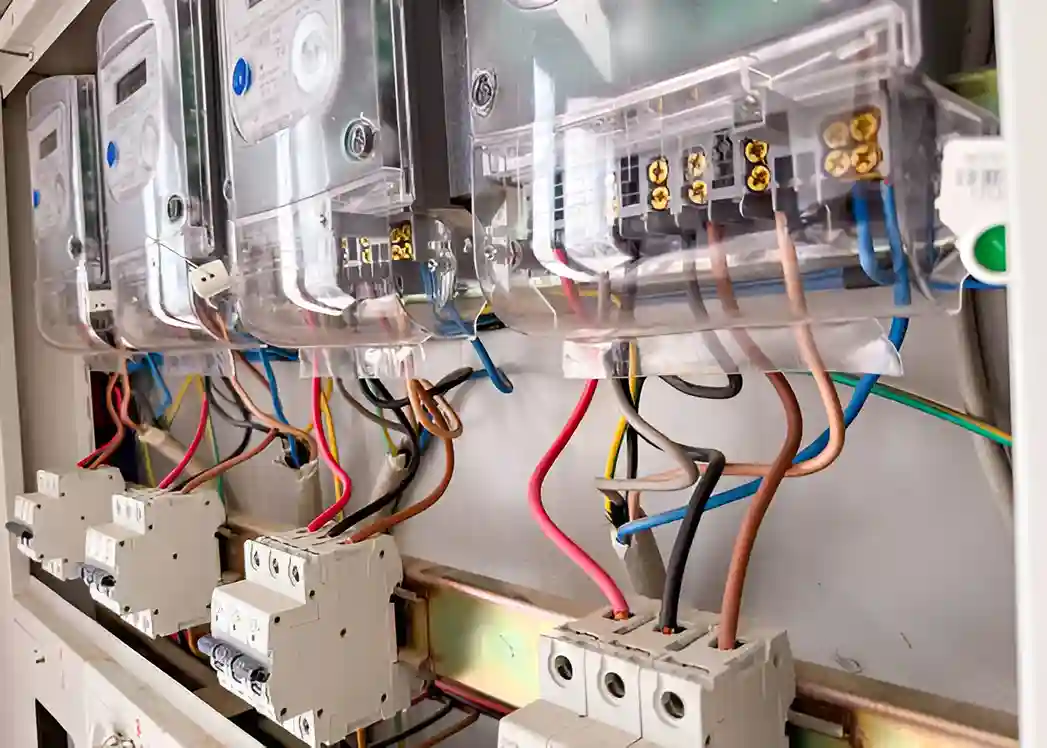
An Electrical Installation Condition Report provides a formal review of fixed electrical systems inside a property. The report records safety status through visual checks and technical tests. EICR Safety Inspection confirms that wiring, sockets, switches, and protection devices meet accepted safety rules. Landlords hold a requirement of care toward occupants and property assets. Electrical faults often stay hidden without structured checks. Fire risk increases when wiring ages or suffers damage. A formal report offers clarity and written proof of safety steps. Legal frameworks expect regular assessment and record control. Tenancy agreements often rely on verified electrical status. Insurance providers also request proof during policy review. EICR Safety Inspection supports risk control through early fault discovery and clear grading notes. Electrical standards define pass and action outcomes. Reports guide corrective work without delay. Clear records support smooth property management and reduce dispute risk. Electrical safety links directly to habitability and trust. Professional inspection strengthens compliance culture across rental spaces. Regular assessment also supports planning for upgrades and repairs. Electrical compliance remains a core part of responsible ownership and safe occupancy across all regulated properties.
EICR Legal Requirements: Understanding Your Obligations in the UK
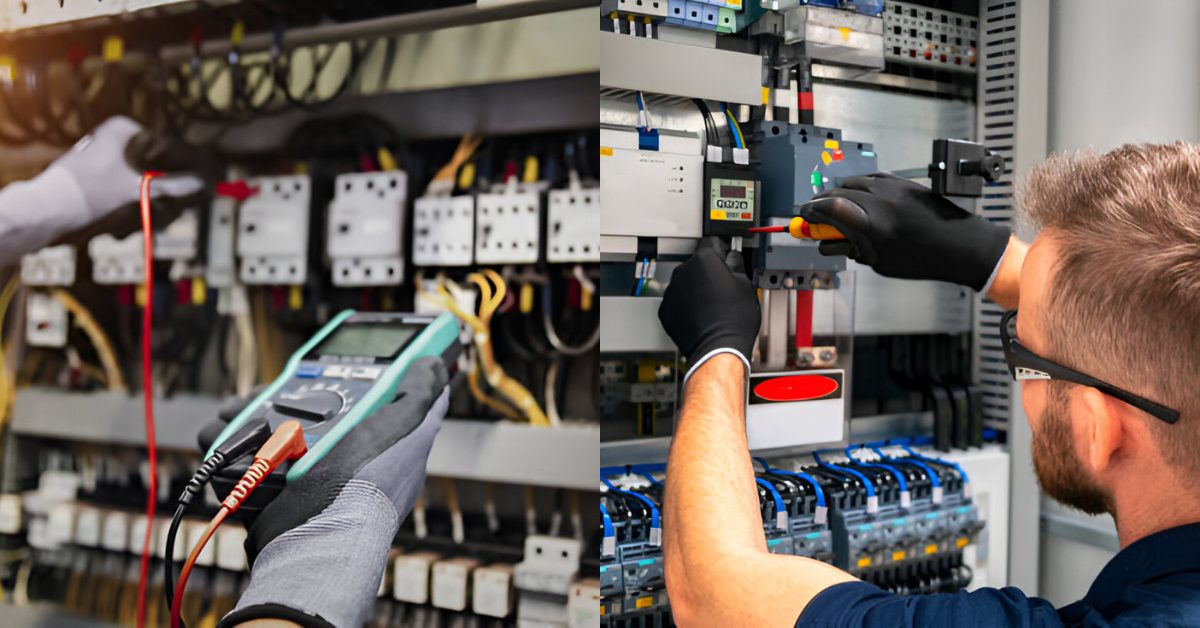
Electrical law sets clear duties for rental property control across the UK. Landlords must keep fixed electrical systems safe at all times. Formal inspection supports lawful operation and occupant safety. EICR Safety Inspection provides a structured review of wiring condition and protection devices. Regulations require assessment through a qualified professional and written reporting. Records must remain clear and accessible for review by authorities and tenants. Unsafe systems create fire and shock risk inside occupied spaces. Legal frameworks expect corrective action after risk identification. Non-compliance leads to enforcement action and tenancy disruption. Clear inspection records support safe property control and stable occupancy. EICR Safety Inspection also supports transparency during tenancy changes and property reviews. Electrical standards define the inspection scope and reporting format. Landlords must share reports when requested under the regulation. Compliance builds trust and reduces conflict. Electrical law aligns safety requirements with housing responsibility. Structured inspection protects assets and people alike. EICR Safety Inspection regular assessment supports safe operation across varied property layouts. Clear reporting strengthens accountability and control. Electrical compliance remains a core responsibility within regulated rental management across the UK.
How to Know When Your Property Needs an EICR Inspection
Electrical systems change over time, and safety signs often appear quietly. Wall sockets may feel loose or warm during use. Switches may respond slowly or fail to work as expected. Circuit breakers may trip without a clear reason. Light fittings may flicker or lose power suddenly. Such signals point toward hidden wiring stress. An EICR Safety Inspection helps identify these issues through a structured review. Property use also affects inspection needs. Heavy appliance use increases system load. Older wiring designs may no longer suit modern demand. Renovation work can disturb existing circuits. Tenant change can expose unknown wear patterns. Insurance providers often request current safety records. Legal guidance relies on valid electrical reports. An EICR Safety Inspection supports safety confirmation through documented checks. Delays can raise safety risk across occupied spaces. Early assessment supports stable electrical flow. Clear records assist management planning. Professional review highlights defects before escalation. Electrical safety depends on awareness and timely action. Regular assessment supports confidence across living and working areas. Consistent review keeps electrical systems aligned with current safety expectations.
Step-by-Step: What Happens During an EICR Safety Inspection
A structured electrical review follows a clear sequence from start to finish. Initial checks focus on visible wiring conditions and fixed fittings across the property. Protective devices receive close attention to confirm safe response under fault conditions. Testing then confirms circuit integrity and connection strength. Findings move into a formal written record that reflects the system condition at the time of review. EICR Requirements define how each stage must follow recognized safety rules. Clear coding highlights areas that require attention without delay. EICR Certificate London represents the final document issued after assessment completion. Records support tenancy duties and internal safety control. Access to all areas supports accurate results and smooth progress. Older systems often reveal wear that routine use hides. Electrical safety improves through planned assessment and clear reporting. EICR Cost discussion varies based on layout and system complexity. Direct contact with an inspection team offers accurate guidance without assumptions. The process supports safe occupancy and regulatory alignment across managed properties.
EICR for HMOs vs Standard Rentals: Key Differences
Electrical safety duties differ across shared housing and single household rentals. HMOs face a higher risk due to shared use of circuits and fixed systems. Increased load on wiring raises fault exposure across daily use. Regulatory control applies stricter oversight for shared properties. EICR Safety Inspection supports risk control through deeper system review in such settings. Inspection scope often covers additional circuits and protective measures. Access planning also requires coordination across occupants. Standard rentals follow a simpler layout with lower usage pressure. Electrical wear still occurs through routine activity. Scheduled assessment keeps safety status clear across all units. EICR Safety Inspection confirms wiring stability and device response through structured testing. Reporting reflects property type and usage level. Shared housing often shows faster system strain due to constant demand. Clear records support management clarity and legal alignment. Inspection timing also varies due to occupancy density. Corrective action must follow the identified risk without delay. Electrical safety control remains central to both property types. Structured inspection helps reduce hidden hazards and supports safe occupancy across managed spaces. Clear distinction between housing types improves planning and compliance control.
EICR Remedial Works: Timeline and Cost Expectations
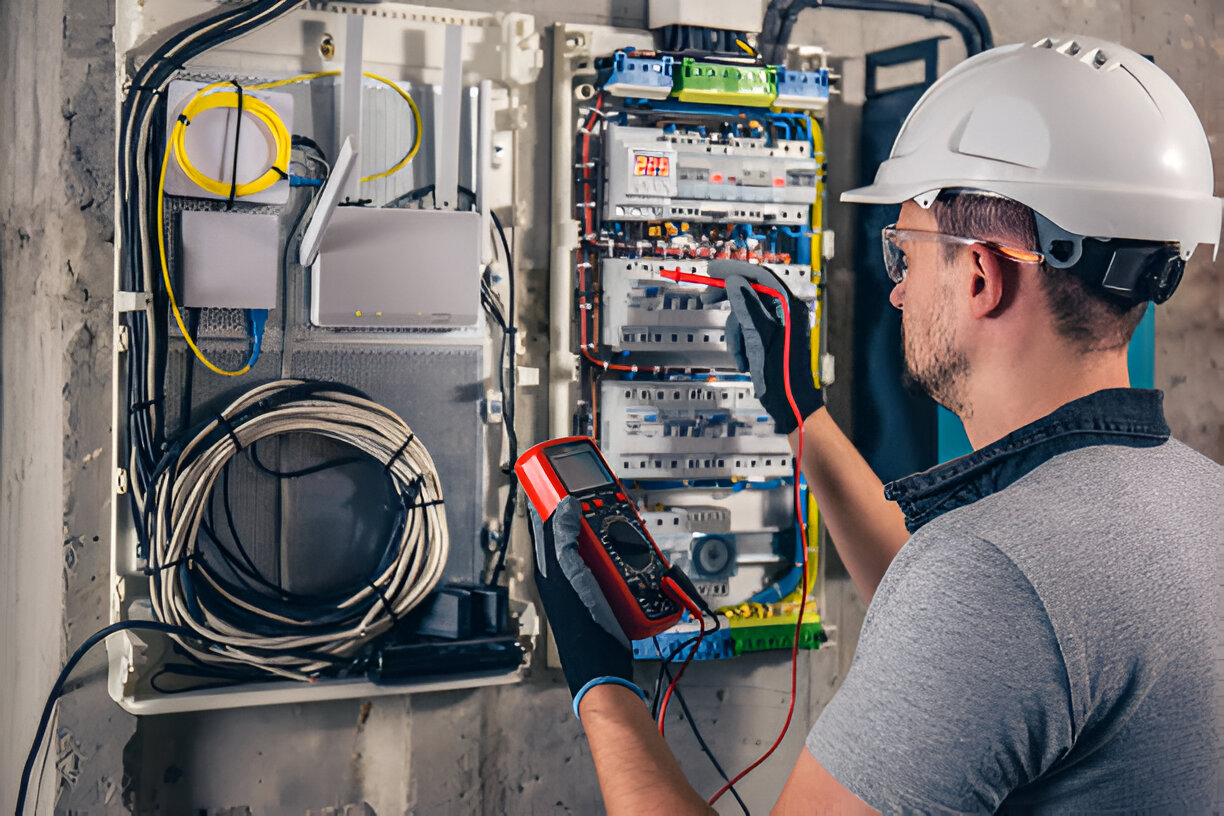
Electrical remedial work begins after report review and fault grading. Action priority depends on risk level and system condition. Safety action often starts soon after report issue to restore compliance. EICR Safety Inspection highlights areas that need repair or replacement through clear codes. Contractors schedule work based on access, material supply, and system layout. Simple repairs move faster than full component replacement. Clear planning reduces disruption across occupied spaces. Records from completed work support compliance checks and audit needs. The electrical repair scope often links to cable wear, device failure, or protection gaps. Skilled electricians apply tested methods that meet current standards. EICR Safety Inspection also supports accurate scope definition before work begins. Clear records help property control teams manage timelines and approvals. Work completion leads to updated documentation that reflects safe conditions. Cost discussion varies across task types and complexity. Direct engagement with a qualified team offers clarity without assumptions. The table below shows typical remedial stages and related cost ranges for guidance only.
| Remedial Stage | Typical Work Description | Estimated Cost Range |
|---|---|---|
| Minor repair | Socket replacement or loose connection fix | £80 – £150 |
| Protective device update | RCD or breaker replacement | £150 – £300 |
| Circuit repair | Cable fault repair within a circuit | £250 – £500 |
| Board upgrade | Consumer unit replacement | £450 – £900 |
| Extensive correction | Multiple faults across property | £900 – £1,800 |
The remedial work stages start with minor repairs at lower cost levels and progress toward extensive corrections, where overall cost increases based on repair scope and electrical system condition.
How to Fast-Track Your EICR Certificate in London
Fast access to compliance starts with clear preparation and organized records. Property readiness supports smooth inspection flow and faster reporting of issues. Access to all fixed electrical points helps reduce delays during checks. Clear communication with tenants supports uninterrupted assessment work. Qualified electricians rely on visible systems and safe isolation points to complete tasks efficiently. EICR Safety Inspection moves more quickly when previous reports and repair records remain available. Electrical layouts that stay clear of obstruction allow accurate testing without pause. Booking availability also improves when documentation remains complete and current. EICR Certificate London issuance depends on the correct inspection scope and proper reporting format. Any noted safety concern requires prompt action before certification release. Electrical repairs completed early help avoid repeat visits and added delay. A clear understanding of EICR Requirements supports readiness across managed properties. EICR Cost discussions remain more accurate after an on-site review rather than assumptions. Direct contact with a professional team supports realistic scheduling and clear expectations. EICR Safety Inspection also benefits from stable power access during assessment. Structured planning supports faster compliance confirmation and reliable electrical safety records across rental properties.
EICR Record Keeping: How Long Should Landlords Keep Certificates?
Record control plays a central role in rental property safety management. Clear documentation supports lawful control and stable tenancy flow. EICR Safety Inspection creates a formal record that reflects the electrical condition at the time of review. Certificates act as written proof during audits, tenancy changes, and dispute resolution. Landlords retain responsibility for safe systems throughout property use. Inspection records support accountability and demonstrate care toward occupants. EICR Safety Inspection reports should remain stored securely in physical or digital form. Access to past certificates helps track system condition and maintenance history. Regulatory guidance expects records to remain available when requested by authorities or tenants. Missing documents weaken compliance position and raise enforcement risk. EICR Safety Inspection records also support insurance review and internal safety planning. Consistent storage practices reduce confusion and support smooth property oversight. Electrical systems age and change through repairs and upgrades. Historical records provide clarity during future assessment work. Proper organization supports efficient management across multiple properties. Clear naming and safe storage reduce loss risk. Electrical compliance depends on reliable documentation and controlled access. Strong record keeping reflects responsible ownership and safety awareness across rental portfolios.
Frequently Asked Questions
Inspection covers fixed wiring, sockets, switches, protection devices, earthing arrangements, and distribution boards to confirm safe electrical conditions.
Written reports and certification records are required for tenancy reference, authority review, insurance checks, and organized electrical safety management.
Restricted access, missing records, incomplete repairs, blocked electrical points, and unstable power supply often slow assessment progress significantly.
Identified safety issues require corrective work, rechecking, and updated documentation before compliance confirmation and safe occupancy continuation.
Regular assessment planning, clear communication, organized records, and professional inspection scheduling support reliable electrical safety compliance management.
Conclusion
Electrical safety remains a shared responsibility across all managed properties. Clear inspection records support safer environments and stronger compliance control. Structured review helps reveal hidden faults before risk escalates. EICR Safety Inspection supports safety awareness through formal checks and written confirmation. Legal alignment improves through proper documentation and timely action. Inspection reports guide decision-making and maintenance planning. Certified records strengthen trust across tenancy and management processes. Electrical systems change through use and age, which makes regular review necessary. Professional inspection offers clarity without assumption or guesswork. Consistent assessment keeps electrical systems aligned with accepted safety rules and operational expectations.
About the Author: Atia Amin

Related Posts

Get Social
Recent Posts
- Gas Safety Regulations and Everyday Property Safety
- Fire Protection Systems Designed for Life and Property Safety
- Residential EICR Certificate London for Electrical System Assurance
- Diagnostic Testing Electrical Services for Safe Power Systems
- Replace Electrical Fuse for Better Electrical Protection