



Emergency lights are easy to forget about because they normally sit quietly in the background. But if the main power fails during a fire or another emergency, they can become one of the most important safety systems in the building.
Regular Emergency Lighting Testing helps make sure escape routes, stairs and exits remain visible when normal lighting stops working.
For landlords, business owners and property managers, testing is not only good practice. Emergency lighting must be properly maintained where it is required as part of the building’s fire safety arrangements.
What Is Emergency Lighting?
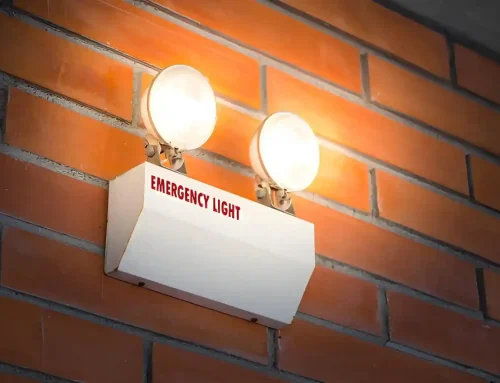
Emergency lighting is designed to switch on when the normal lighting supply fails.
Its main purpose is to help people leave a building safely. It can illuminate corridors, staircases, fire exits, changes in floor level and other parts of an escape route.
Not every building will need the same type or amount of emergency lighting. The setup should reflect the layout of the property and the findings of the fire risk assessment.
Regular Emergency Lighting Testing helps confirm that the lights will actually operate when they are needed.
Why Does Emergency Lighting Need to Be Tested?
Emergency lighting usually depends on batteries or another backup power supply.
Even if the lights look fine from the outside, batteries can weaken, lamps can fail and charging systems can develop faults.
Testing gives you a chance to find those problems before an emergency happens.
A test may identify:
- A light that does not switch on
- Weak or failing batteries
- Damaged fittings
- Poor light output
- Missing or damaged exit signs
- Charging faults
- Lights blocked by furniture or other items
The aim of Emergency Lighting Testing is simple: make sure the system can support a safe escape if the normal lighting fails.

How Often Should Emergency Lights Be Tested?
Emergency lighting normally needs more than one type of check.
Monthly Function Test
A short test should normally be carried out every month.
During this test, the normal electrical supply to the emergency lights is temporarily interrupted. Each emergency light should switch on correctly.
The test is usually kept short so the batteries are not fully discharged.
Any faults should be recorded and dealt with.
Annual Full-Duration Test
A longer test should normally be completed once a year.
During annual Emergency Lighting Testing, the system is operated for its full rated duration. This checks whether the batteries can keep the lights working for the expected period.
Because the batteries need time to recharge afterwards, this test should be planned carefully.
Government fire safety guidance also recommends monthly checks and annual testing by a competent person.
What Happens During an Emergency Lighting Test?
The exact procedure depends on the system installed in the building, but the basic process is usually straightforward.
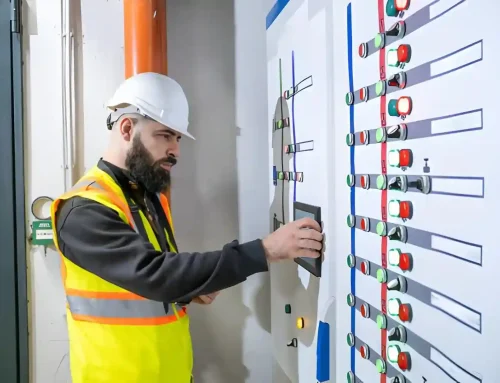
The person carrying out the test may:
- Check the condition of the emergency light fittings.
- Use the test switch or another suitable method to simulate a mains power failure.
- Check that each emergency light switches on.
- Inspect illuminated exit signs where fitted.
- Look for damaged or poorly positioned fittings.
- Check that escape routes receive suitable lighting.
- Record any faults found.
- Restore the normal power supply.
- Confirm that the charging indicators are working again.
Annual Emergency Lighting Testing normally includes a longer battery-duration test.
If you are not sure how your system should be tested, it is better to use a competent professional.
Who Is Responsible for Emergency Lighting?
In many non-domestic buildings, fire safety responsibility sits with the person who controls the premises.
This person is normally referred to as the Responsible Person.
Depending on the property, this could be:
- An employer
- A landlord
- A freeholder
- A managing agent
- A business owner
- An occupier
- A facilities or building manager
Government guidance says the Responsible Person must put suitable fire safety measures in place and keep them properly maintained.
You can read more in the official GOV.UK fire safety responsibilities guidance.
| Inspection Type | Audit Focus | Required Evidence |
|---|---|---|
| Daily visual inspection | Confirmation of system condition and route visibility | Logged observation of luminaire condition, indicator status, and absence of obstruction |
| Monthly functional test | Verification of automatic operation during simulated power failure | Recorded confirmation of activation, operational response, and noted defects |
| Annual full duration test | Validation of sustained illumination and battery performance | Documented confirmation of full-rated duration achievement and remedial action where required |
Is Emergency Lighting Testing a Legal Requirement?
There is not one simple rule saying that every property must have exactly the same emergency lighting system.
The requirement depends on the building and its fire risk.
Under the Regulatory Reform (Fire Safety) Order 2005, suitable fire safety measures must be provided and maintained where they are necessary.
If escape routes need artificial lighting, adequate emergency lighting may also be required.
Once a system is installed as part of the building’s fire precautions, it must be kept in working condition.
That is why regular Emergency Lighting Testing forms an important part of ongoing fire safety management.
For official guidance, see the GOV.UK guide to emergency lighting and fire safety equipment.
Do Test Results Need to Be Recorded?
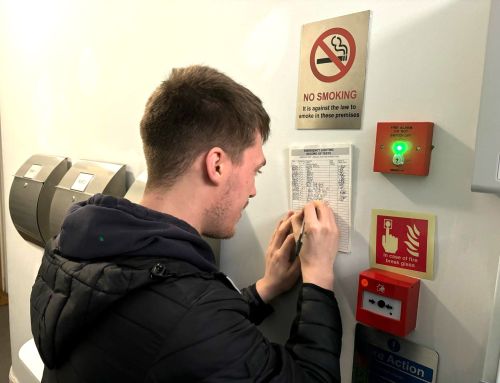
Yes, keeping a record of tests is good fire safety practice.
A log may include:
- Date of the test
- Type of test
- Areas checked
- Faults found
- Repairs needed
- Action taken
- Name of the person carrying out the test
Keeping clear records makes it easier to track faults and show that the system has been checked regularly.
Records can also be useful during a Fire Risk Assessment.
Common Emergency Lighting Problems
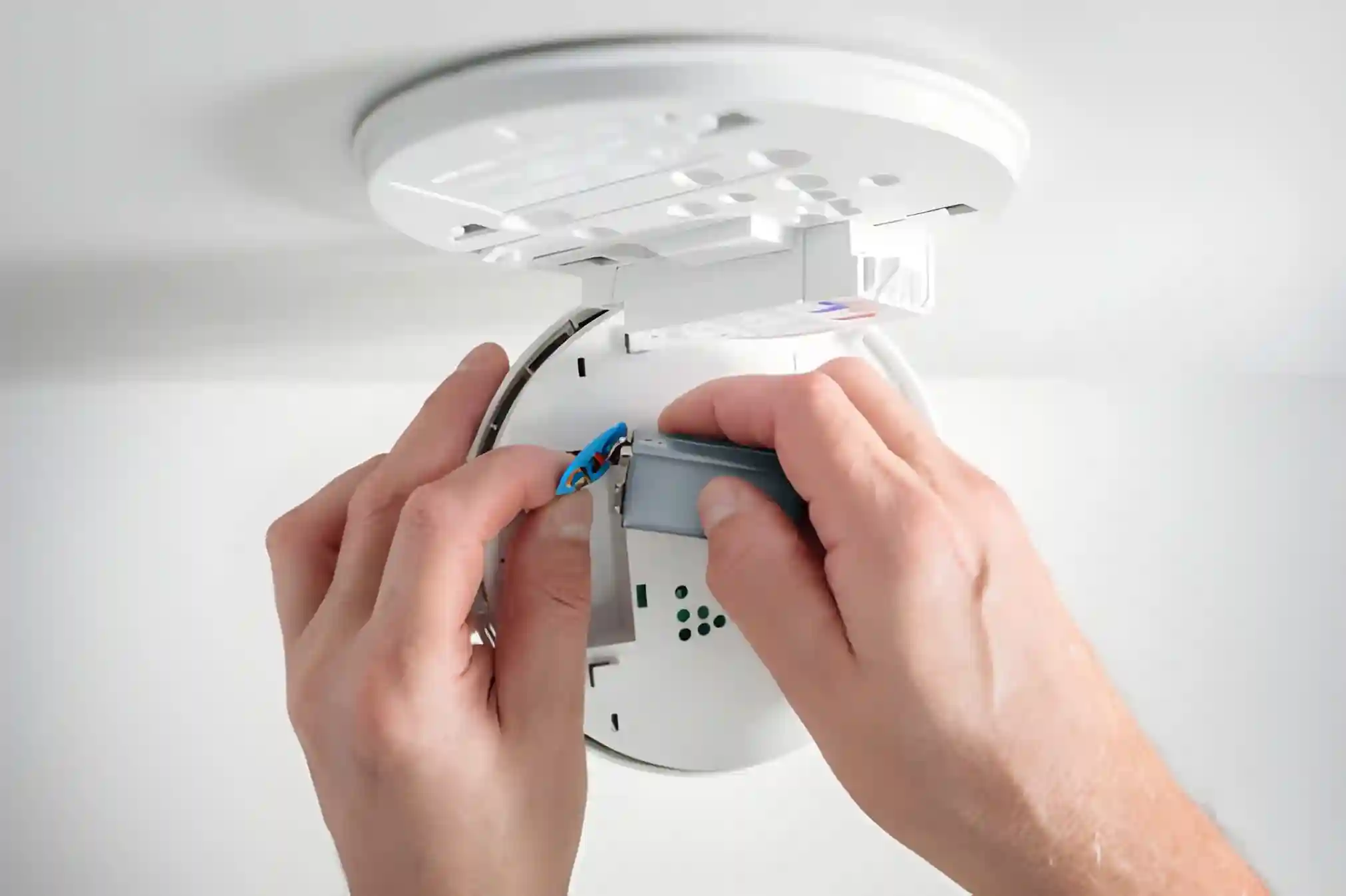
Several issues are regularly found during inspections.
Batteries That No Longer Hold Charge
A light may work during a quick test but fail during a longer power cut.
That is one reason annual duration testing matters.
Damaged Light Fittings
Emergency lights can become damaged during building work, decorating or normal use.
Poor Positioning
Changes to the layout of a property can affect whether lights still provide suitable coverage.
Blocked Escape Routes
Even working emergency lights cannot make an escape route safe if furniture, stock or waste is blocking the way.
Missing Test Records
If testing is being carried out but nothing is recorded, it becomes difficult to prove that a proper maintenance routine is in place.
Regular Emergency Lighting Testing helps identify these issues early.
Emergency Lighting and Fire Risk Assessments
Emergency lighting should not be treated as a separate issue from the rest of the building’s fire safety arrangements.
A fire risk assessment should consider whether escape routes have suitable lighting and whether the existing system is adequate.
If your assessment identifies problems with emergency lighting, action should be taken to repair, improve or replace the affected equipment.
Landlord Certificate London provides professional Fire Risk Assessment services for residential and commercial properties.
You may also want to arrange an EICR inspection where the condition of the property’s wider electrical installation needs checking.
Can You Test Emergency Lights Yourself?
Simple monthly checks may be possible for someone who understands the system and knows how to carry out the test safely.
However, annual testing and more technical inspection should be completed by a competent person.
This is especially important if:
- Lights fail during testing
- The system is large or complicated
- Batteries need replacing
- Wiring problems are suspected
- The test results are unclear
Professional Emergency Lighting Testing can also give landlords and property managers a clearer record of the system’s condition.
Book an Emergency Lighting Test in London
Emergency lighting only becomes useful when something goes wrong with the normal power supply.
That is why it should be tested before an emergency happens, not after.
Landlord Certificate London provides Emergency Lighting Testing services in London for landlords, businesses, property managers and other responsible persons.
Regular Emergency Lighting Testing can help you identify faults, maintain your fire safety systems and make sure emergency escape routes remain properly illuminated.
Book your emergency lighting test today and keep your property’s fire safety checks up to date.
About the Author: LandlordCertificate

Related Posts
Get Social
Recent Posts
- Emergency Lighting Assessment Failure Signs: 4 Critical Indicators Your System Needs Immediate Attention
- Annual Fire Alarm Inspection Checklist and Industrial Facility Solutions Safety Plan: 5-Step Shield
- Fuse Box Installation by a Certified Fuse Box Electrician for Circuit Failures and Safety Control
- What are the Most Important Electrical Safety Checks in Commercial Landlord EICR Buildings?
- Can You Complete an Extinguisher Safety Test In-House to Save Money?