




When you are looking for a home to rent, it is easy to focus on the rent, location and number of bedrooms. Energy efficiency may not be the first thing on your list.
However, the EPC Certificate London rating can give you a useful idea of how energy efficient a property is before you move in.
A better rating may mean the home is easier to heat and could cost less to run. A lower rating may point to poor insulation, older heating or other areas where the property loses energy.
Understanding the EPC can therefore help you look beyond the monthly rent and think about the real cost of living in the property.
What Is an EPC?
An Energy Performance Certificate, or EPC, shows how energy efficient a property is.
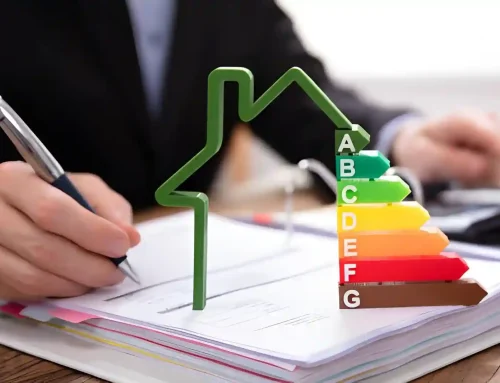
The property receives a rating from A to G.
- A is the most energy efficient
- B and C are generally more efficient
- D is common in many existing homes
- E is less efficient
- F and G are the least efficient
An EPC Certificate London also includes information about typical energy use and recommendations that may improve the property’s efficiency.
If you want to see what an EPC assessment involves, read our Energy Performance Certificate service page.

Why Should Tenants Check the EPC Rating?
The EPC gives you information that photographs and property listings often cannot.
Two flats may look very similar and have similar rent, but one could be much more expensive to heat.
A property with a stronger EPC Certificate London rating may have better insulation, more efficient heating, improved glazing or other energy-saving features.
This does not guarantee a certain energy bill because your actual costs depend on how much energy you use and the tariff you are on.
Still, the rating is a useful way to compare the energy performance of different properties.
Can the EPC Rating Affect Your Energy Bills?
Yes, it can.
A more energy-efficient property usually needs less energy to maintain a comfortable temperature.
For example, a home that holds heat well may need the heating on for less time than a poorly insulated property.
An EPC Certificate London with a higher rating can therefore be a positive sign when you are trying to estimate future household costs.
Your actual bill will still depend on:
- The size of the property
- Your heating habits
- Energy prices
- The heating system
- How many people live in the home
- How often appliances are used
For this reason, you should not treat the EPC as an exact prediction of your future bills.
Typical EPC-Related Service Cost Overview
| Service Type | Estimated Amount |
|---|---|
| Residential EPC assessment | £60 – £90 |
| Commercial EPC assessment | £120 – £250 |
| EPC reassessment after upgrades | £70 – £110 |
| Full EPC report documentation | £50 – £80 |
EPC pricing usually depends on property size, layout, and usage type, so accurate figures come from direct review rather than fixed rates.
How Does the EPC Affect Comfort?
Energy efficiency is not only about saving money.
It can also affect how comfortable the home feels.
A property that loses heat quickly may feel cold soon after the heating is switched off. You may also notice cold rooms, draughts or large temperature differences around the property.
A better EPC Certificate London rating can suggest that the building has features that help retain heat more effectively.
These may include loft insulation, wall insulation, double glazing or an efficient heating system.
This can make a noticeable difference during the colder months.
What Should You Look for on an EPC?
Do not only look at the letter rating.
The certificate contains other useful information that can help you understand the property.
Current Energy Rating
This shows how efficient the home is now.
Potential Rating
The EPC may also show how much the rating could improve if recommended work is carried out.
Heating
Check what type of heating system the property uses and how efficiently it is rated.
Insulation
The certificate may provide information about walls, roof insulation and other parts of the building.
Windows
It can also show whether the property has single, double or other types of glazing.
Recommended Improvements
Recommendations may include insulation, lighting improvements, heating upgrades or other energy-saving measures.
Looking at these details gives you a better picture than simply checking the EPC grade.

What Is a Good EPC Rating for a Rental Property?
There is no single rating that guarantees a perfect rental home.
However, a higher rating generally indicates better energy efficiency.
Many tenants looking at an EPC Certificate London may prefer properties rated C or above because they are likely to be more energy efficient than homes with lower ratings.
That does not mean you should automatically avoid a D or E-rated property.
Location, rent, property condition and other factors will also matter.
The EPC should simply form part of your overall decision.
Can a Landlord Rent Out a Property With a Low EPC?
Minimum Energy Efficiency Standard rules apply to many privately rented homes in England and Wales.
In general, properties covered by the rules need an EPC rating of E or above, unless a valid exemption applies.
This means properties with an F or G rating normally require appropriate action before they can legally be let where the regulations apply.
For the latest legal information, check the official GOV.UK guidance on minimum energy efficiency standards for rented homes.
Indicative Monthly Energy Spend by Efficiency Level
| Efficiency Level | Typical Monthly Energy Spend |
|---|---|
| Very high efficiency | £60 – £90 |
| High efficiency | £90 – £120 |
| Moderate efficiency | £120 – £160 |
| Low efficiency | £160 – £220 |
Should the Landlord Give You an EPC?
Prospective tenants should be able to see the EPC before they commit to renting the property.
This gives you the opportunity to check the energy rating before making a decision.
An EPC Certificate London is normally valid for 10 years, although a newer certificate may be produced during that period.
You can also search the official EPC register to see whether a property already has a valid certificate.
Questions to Ask Before Renting
If energy costs matter to you, ask a few simple questions during the viewing.
You could ask:
- What is the current EPC rating?
- How is the property heated?
- Is the property double glazed?
- Has insulation been installed?
- How old is the boiler or heating system?
- Have any EPC recommendations already been completed?
You can also look at the EPC Certificate London alongside other property safety documents before deciding whether the home is right for you.
For landlords and tenants who need other property checks, Landlord Certificate London also provides Gas Safety Certificates and EICR inspections.
Can a Landlord Improve the EPC Rating?
Yes.
The improvements needed will depend on the individual property.
Common recommendations may include adding insulation, upgrading heating controls, improving windows or using more efficient lighting.
Some changes are relatively simple, while others may require more investment.
The EPC itself usually lists suggested improvements and shows how they could affect the property’s rating.
If a landlord has recently completed energy-saving work, it may be worth arranging a new EPC Certificate London to reflect the property’s current condition.
Check the EPC Before You Sign
Rent is only one part of the cost of living in a property.
Heating and electricity can make a noticeable difference to your monthly spending, especially during winter.
Checking the EPC Certificate London before signing a tenancy can help you understand how energy efficient the property is and what living there may be like.
If you are a landlord and need an up-to-date EPC for a property in London, Landlord Certificate London can arrange an assessment with an accredited energy assessor.
Book your EPC assessment today and make sure your property has a valid energy performance certificate.
About the Author: LandlordCertificate

Related Posts


Get Social
Recent Posts
- Emergency Lighting Assessment Failure Signs: 4 Critical Indicators Your System Needs Immediate Attention
- Annual Fire Alarm Inspection Checklist and Industrial Facility Solutions Safety Plan: 5-Step Shield
- Fuse Box Installation by a Certified Fuse Box Electrician for Circuit Failures and Safety Control
- What are the Most Important Electrical Safety Checks in Commercial Landlord EICR Buildings?
- Can You Complete an Extinguisher Safety Test In-House to Save Money?