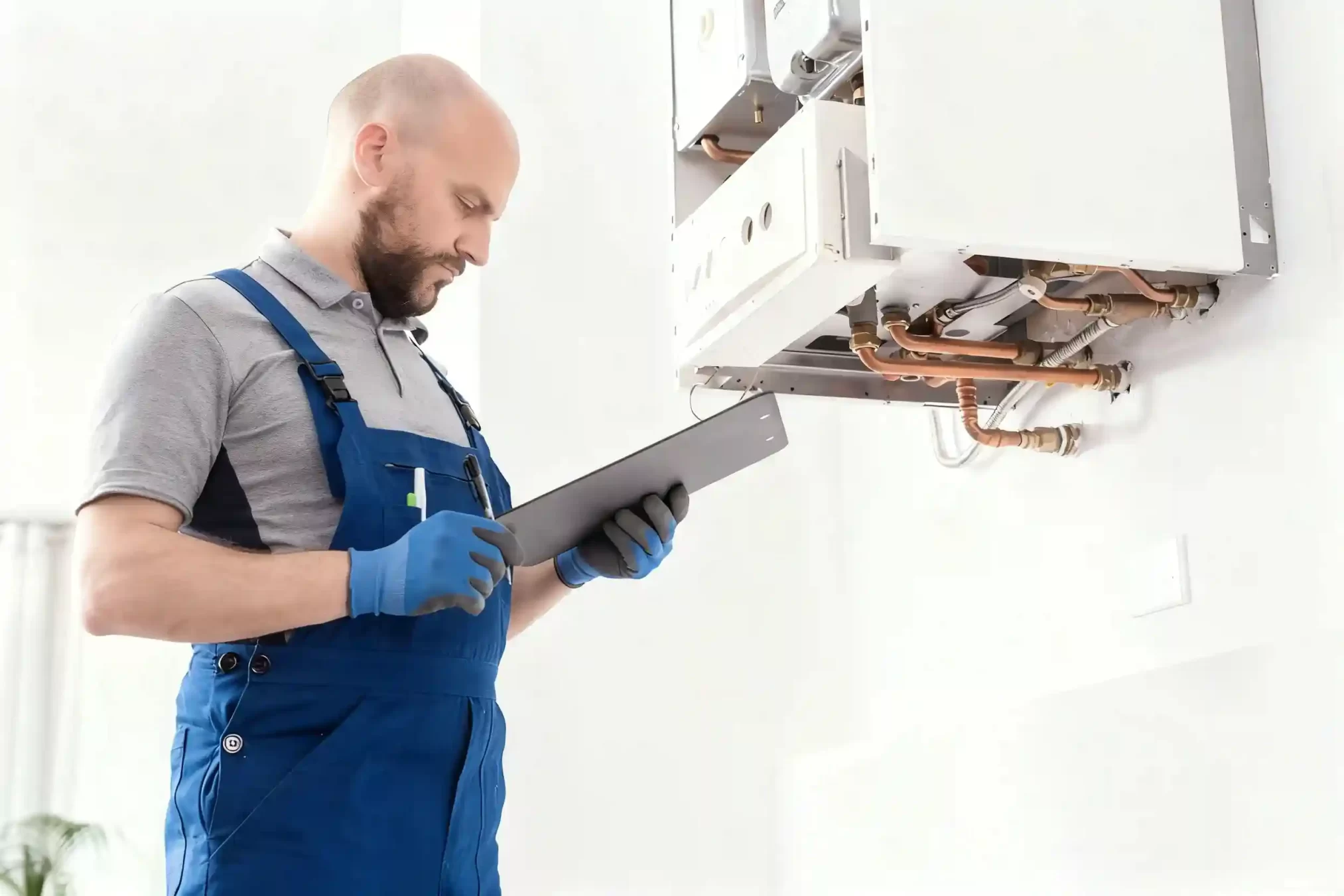

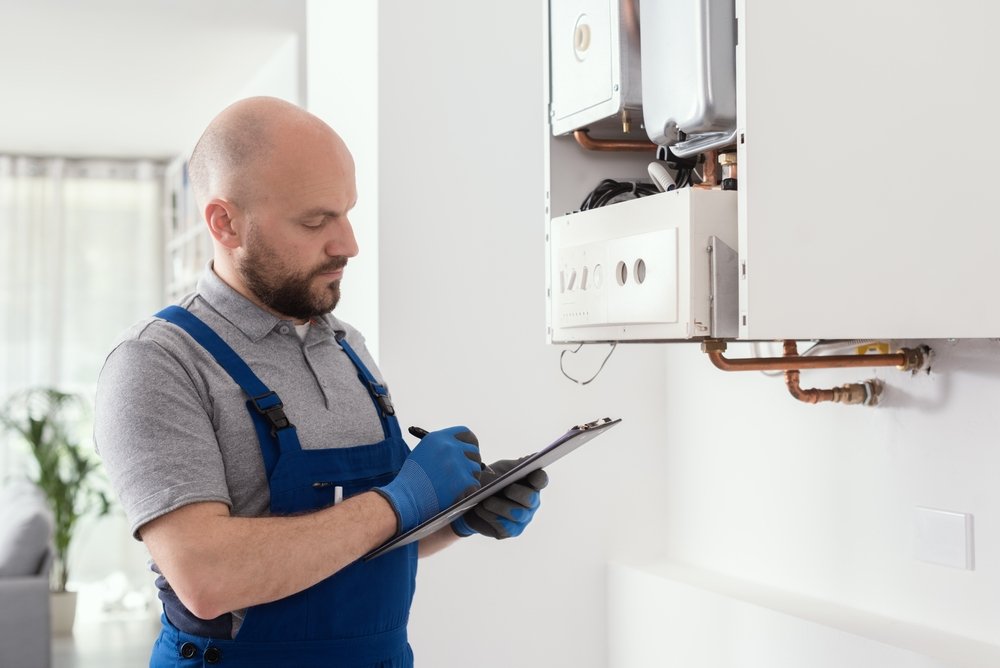
A Gas Safety Certificate is a written guarantee that shows a recognized tester has checked all the gas appliances, the gas piping, and installations, and everything is up to the standard required. This certificate will guarantee that all possible dangers will be eliminated and that the UK Regulations will be followed. In London, a Gas Certificate has a lot of value because of the rigorous local laws. The Certificate is relied on by the landlords, the tenants, and the homeowners because it shows that dangers such as gas leaks and the poisoning of people with carbon monoxide will be eliminated. The Landlords are required to possess a Certificate for every gas-enabled device in the buildings, as a way to comply with the law and to ensure that the occupants are not exposed to any dangers. The tenants will be reassured that the devices have been inspected, and the homeowners will be able to maintain the devices safely and efficiently.
A CP12 gas certificate is a form of a gas inspection report. It summarizes the engineer’s assessment of the gas devices at a specific location. It contains the engineer’s name and signature, and the name of the company that the engineer works for. London Gas Safety Compliance is documented by the CP12 gas certificates. In London, engineers are required to check and perform maintenance on devices such as gas boilers, gas hobs, gas cookers, gas flues, and gas vents. For landlords, it is a requirement that they possess gas maintenance records. In London, achieving Gas Safety Compliance has to be done in order to have records of maintenance of gas certificates for a certain period of time.
Key Takeaways
1. Ensure all gas appliances are inspected regularly by certified professionals
- Keep thorough records of all inspections and maintenance activities
- Report any unusual smells or appliance malfunctions immediately
- Maintain proper ventilation around all gas-powered devices
- Install carbon monoxide detectors near gas appliances for added safety
- Schedule inspections ahead of time to avoid last-minute issues
- Clear access to appliances before inspection to prevent delays
- Educate occupants about basic safety signs and precautions
- Follow local regulations and guidelines to stay compliant
- Prioritize regular maintenance to avoid risks and ensure efficient operation
Gas Safety Regulations for Landlords
Gas Safety Regulations impose on landlords the responsibility of conducting annual inspections for rental properties that contain gas appliances. A Gas Safety Certificate Landlord attests that gas appliances such as boilers, gas cookers, gas hobs, gas pipework, and gas flues are safe. Central to this requirement is the CP12 Certificate. It outlines the results of the inspections, the details of the inspecting engineer, and the status of the gas appliances. Therefore, to conform with the Gas Safety Compliance and for Gas Safety Compliance London to be honest, the certificate holders must be on record. It is part of proper record-keeping to have both hard and soft copies of every Gas Safety Certificate, Landlord, and to give inspection certificate copies to tenants as proof of safe appliances to enhance trust and accountability. A routine Gas Inspection in London will identify and mitigate potential threats from gas and carbon monoxide leaks.
A CP12 Certificate or a Gas Certificate for a Landlord will result in the landlord facing the consequences of the legal liability and the increasing burden of liability. To maintain the status of compliance and to avoid challenges of last-minute compliance, annual inspections should be scheduled. Keeping a record of all CP12 Certificate inspections proves that Gas Safety Compliance in London is an objective worth pursuing. Following such regulations increases the safety of the property, protects the tenants, and fulfills legal obligations, which makes keeping proper records and conducting routine inspections part of the due course of business in managing a property.
What Happens During a Gas Inspection
Every Gas Safety Certificate London starts with a Gas Inspection by a professional to determine whether all gas appliances and installations are safe to use. Gas engineers will start the process by looking through their records. If any gas appliances have been repaired or installed, the engineers will check each appliance to make sure there is no damage, excessive wear, malfunctioning parts, or anything else that may pose a safety risk. If the gas appliances fail to meet any of the safety standards, a gas certificate will not be issued. Engineers perform pressure and leak tests to ensure that the flow of gas is adequate and to check for leaks.
These tests are done to avert the risks of gas leaks and the more serious risks of carbon monoxide poisoning. Engineers perform ventilation and flue tests to ensure that the safety exhaust gas is vented and that adequate air is circulated. Engineers will then complete the Certificate, which states that all required safety tests were completed and brings a measure of peace to the occupants. Gas Safety Compliance is achieved with current Gas Certificates, and peace of mind is achieved by the occupants of the building. The risks of not completing regular Gas Inspections in London are many and include damage to the property and the safety of the occupants. Homeowners, landlords, and tenants have inspections to help them preserve safe spaces to live and work, and to avoid breaking the law.
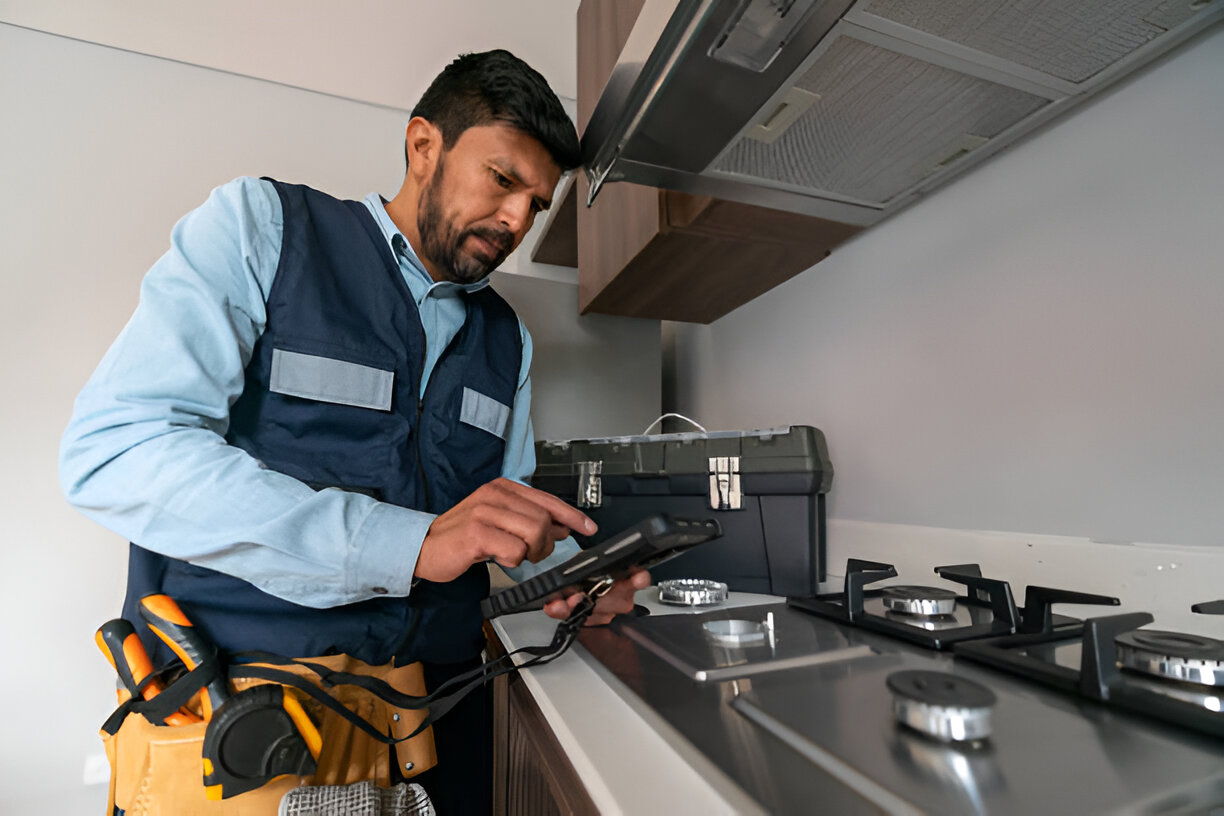
Differences Between a Gas Certificate and Boiler Service
A Gas Certificate confirms that gas appliances, pipework, and installations are safe and compliant with the law. This also serves as proof that the inspections are done according to the law in the United Kingdom. For landlords in London, a Gas Certificate and the inspection records provided as a CP12 Certificate are mandatory. This also helps to ensure compliance with Gas Safety Compliance and protects tenants from gas leaks and carbon monoxide. Gas Certificate: Landlord certificates are valid for one year and must be renewed. This is done by qualified engineers during a Gas Inspection London, which looks at boilers, hobs, cookers, and all types of flue and ventilation systems.
A boiler service, in contrast, is performance and maintenance-focused. Engineers ensure that boilers are operating efficiently and are not likely to break down, and clean, tune, and optimize them. Basic safety checks may be included, but a boiler service does not replace the legal requirement of a Gas Certificate. Both may be pertinent. The safety of tenants and the obligations of the regulation are covered by the Gas Safety Certificate. Addressing the efficiency and longevity of the appliance is covered by the service of the boiler. The updating of records shows good management of the property. Compliance with the Gas Safety Regulations is achieved. Moreover, it assures the tenants and the authority that safety and performance are being monitored and that it is being done consistently.
How Often Gas Safety Checks Are Needed
Gas Safety Certificate inspections are needed every year for all rental properties with gas appliances. Inspections need to be done on schedule to comply with UK regulations for the safety of tenants. Inspections reduce risks like gas leaks and carbon monoxide exposure, and ensure that gas appliances are safe throughout the tenancies.
Documenting the safety inspections shows that safety regulations are being followed, and is required for audits and tenant reviews. Safety inspections can be scheduled to allow the time needed to fix any problems found. Certified engineers check and inspect all of the required appliances for gas safety certificate compliance. Regular gas safety inspections are important to make sure that all of the legal requirements on the gas appliances are being met, and to help with tenant and landlord peace of mind. By complying with annual Gas Safety Compliance standards, landlords help foster a safe living environment by reducing the risks associated with gas appliances.
Penalties for Non-Compliance with Gas Safety Regulations
Landlords can face heavy fines and other legal consequences for not keeping their Gas Safety Certificate up to date. London authorities can impose fines, and in extreme cases, even prosecute. Those landlords who do not take on their Gas Safety Certificate responsibilities open themselves up to enforcement action, which can interfere with their tenancy and property management responsibilities. Even more critically, non-compliance creates an unsafe situation for the tenants. Gas leaks and other faulty appliances can lead to severe injury or even death by carbon monoxide poisoning.
Landlords of properties that do not have a current Gas Safety Certificate in London increase the chance of an accident and/or damage for which they become liable. Gas Certificates are insurance policies that cover themselves and their tenants. Regular inspections of gas appliances (including boilers, hobs, cookers, ventilation, and flues) will ensure Gas Certificate compliance and will also ensure that the appliance is in proper working condition. Additionally, having a CP12 Gas Certificate is proof that a landlord is in compliance with Gas Safety London and gives them legal protection. Managing inspections for Gas Certificates proactively is an important legal requirement and boosts tenant reassurance. Keeping a record of checks and certifications for gas appliances fosters a safe environment, decreases risks, and protects the property, as well as the occupants.
Digital Gas Safety Certificates: What You Need to Know
More and more Digital Gas Safety Certificates are being used to record gas safety records. Gas Safety Certificates London can be saved and shared using cloud-based systems to reduce the use of paper and stay compliant. Digital records of CP12 Certificates show the same paperwork as the traditional format, including pertinent details, the date of the inspection, the appliances included, the name of the engineer, etc. Certificates in the format of digital records offer landlords a way to easily and safely share records with the tenants, as records can be accessed via email, safe portals, and can be integrated with property management systems.
Landlords with a Gas Safety Certificate can simplify inspections by tying records to scheduling tools when Gas Inspection records are available. Record keeping digitally is a more efficient way to store documents, keep documents safe from destruction, and make recording Gas Safety Compliance London less of a hassle. London’s Gas Safety Compliance is simplified, and Digital Certs are used to provide less hassle to the landlord. London Gas Inspections are made more efficient with Certs, Digital, and Compliance. removes the landlord’s burden of keeping the record. London Gas Inspections are made more efficient with Certs, Digital, and Compliance, which enhances the efficiency of property management and gas safety inspection record keeping.

Common Gas Appliance Issues Found During Inspections
Gas Inspection London addresses the more common issues that have implications for appliance safety and compliance. Engineers most frequently find unserviceable burners, broken pipes, obstructed flues, and issues with a variety of appliances such as boilers, cookers, and hobs. Inspections demonstrate a variety of concerns, such as pressure imbalances, gas leaks, and unserviceable burners: each defective item threatens the safety of a gas installation and may result in the gas safety certificate London being annotated with defects requiring urgent attention.
All the mentioned problems dilute compliance with gas safety regulations. If appliances or components of a gas installation fail critical safety checks, a gas safety certificate will not be issued or renewed. Risks of untreated gas installation defects are: exposure to carbon monoxide, inefficient use of gas, and damage to property. Good and proper maintenance and clear, unblocked ventilation and unobstructed flues and other gas passageways reduce the likelihood of defects. Intervals for gas inspection in London should be scheduled by landlords, and records of compliance should be kept. Reporting of any irregularities, odors, or other signs of appliance defects should be done by tenants to allow for timely repair. These activities keep the environment safe, ensure the gas certificate is current, and that regulations are being observed.
Homeowners are not legally required to obtain a certificate unless the property is being rented out. However, arranging safety checks for personal appliances is highly recommended to prevent risks such as gas leaks or carbon monoxide exposure.
Yes, digital certificates are generally accepted as long as they contain all necessary details, including the property address, appliance information, inspection date, and engineer credentials. Keeping digital records ensures easy access and backup.
Any malfunctioning appliances must be promptly repaired or replaced by a certified professional engineer. Following up with a re-inspection ensures that the system meets safety standards before being used again.
Inspections should be carried out annually for rented properties. Scheduling ahead allows sufficient time to address any issues and ensures compliance with safety regulations while maintaining a safe environment for occupants.
All gas appliances connected to the property, including boilers, cookers, hobs, heaters, and flues, should be inspected. Proper ventilation and pipework must also be assessed to ensure safe operation.
Conclusion
Gas safety compliance keeps landlords, tenants, and property safe. Having a valid Gas Safety Certificate shows that inspections are done, dangers are mitigated, and legal requirements are fulfilled. Annual inspections must be done to mitigate gas leaks and carbon monoxide poisoning. Gas Safety Compliance London is supported by proof of safety standards with CP12 Gas Certificate records. Gas Inspection London improves tenant and property retention. Download a gas safety compliance checklist and CP12 to stay compliant and secure. Your property will be better serviced with consistent gas Safety.
About the Author: LandlordCertificate