

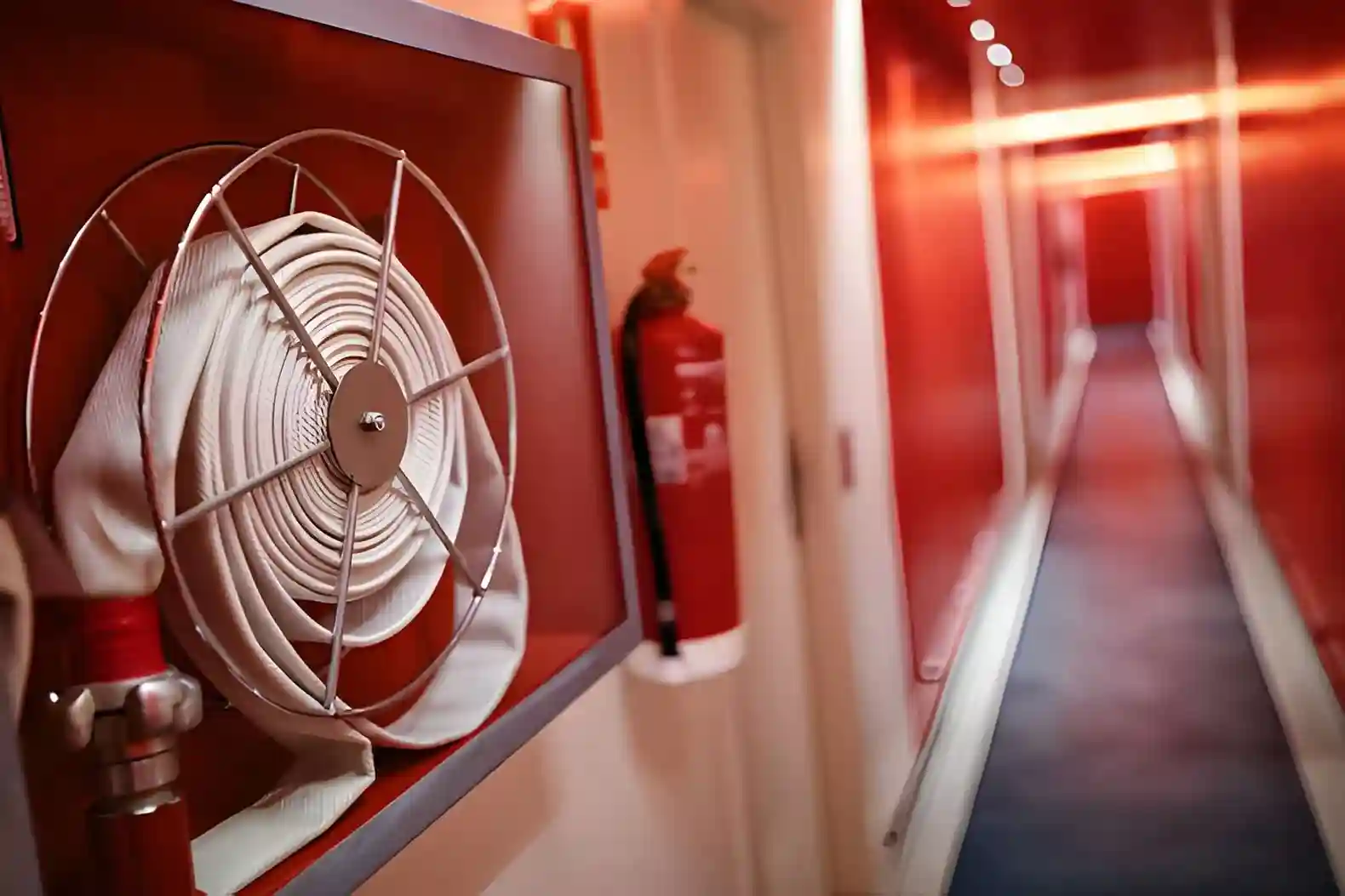
Fire Safety Certificate Cost for flats and shared buildings reflects the scope of responsibility tied to multi-occupancy living. Shared entrances, stairwells, corridors, and service areas raise safety expectations. Authorities expect structured control measures across all common spaces. Fire Safety Certificate Cost links to assessment depth, documentation review, and site complexity. Larger resident numbers raise duty intensity. Multiple floors add evacuation planning layers. Mixed ownership structures also shape oversight needs. Fire Safety Certificate Cost aligns with preparation quality and record accuracy. Clear signage, maintained alarms, and managed escape routes influence compliance workload. Poor coordination between stakeholders often increases review effort. Strong internal processes support smoother certification outcomes. A professional assessment clarifies obligations early. Fire Safety Certificate Cost becomes more predictable after the scope definition and safety review alignment.
Key Takeaways
- Frequent inspections keep shared spaces secure and organized
- Clearly marked exits improve safety during urgent situations
- Regular system checks ensure alarms work correctly every time
- Accurate documentation simplifies review and compliance processes
- Assigned responsibilities reduce miscommunication and errors
- Obstructions in hallways increase risks during emergencies
- Scheduled upkeep prevents sudden system failures or issues
- Spotting risks early avoids complications later on
- Resident awareness contributes to safer living environments
- Continuous oversight maintains high safety standards consistently
What a Fire Safety Certificate Covers in Shared Buildings
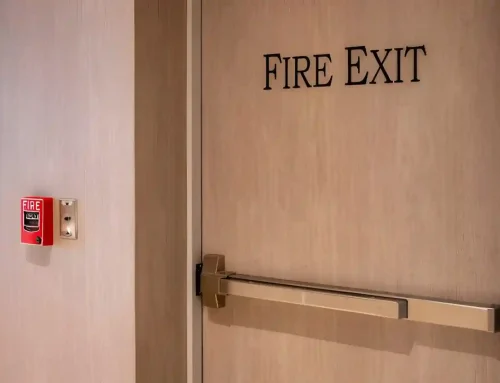
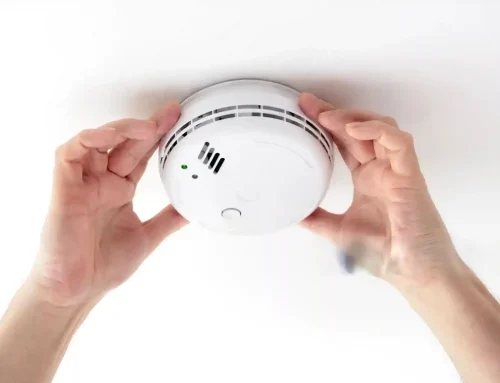
A Fire Safety Certificate cost in shared buildings confirms that core safety measures meet regulatory expectations. Coverage extends across communal zones rather than private living areas. Fire detection systems receive close attention. Emergency lighting conditions support safe exit use. Escape routes require unobstructed access and clear marking. Fire doors demand correct installation and routine checks. Management procedures form a key review area. Written risk assessments demonstrate hazard control awareness. Maintenance logs show ongoing duty fulfilment. Staff or resident guidance records also hold value. A Fire Safety Certificate signals readiness and structured oversight. Shared responsibility models demand clarity across all parties. Certification coverage supports consistent standards and coordinated safety action throughout the building.
Common Mistakes That Increase Fire Safety Costs
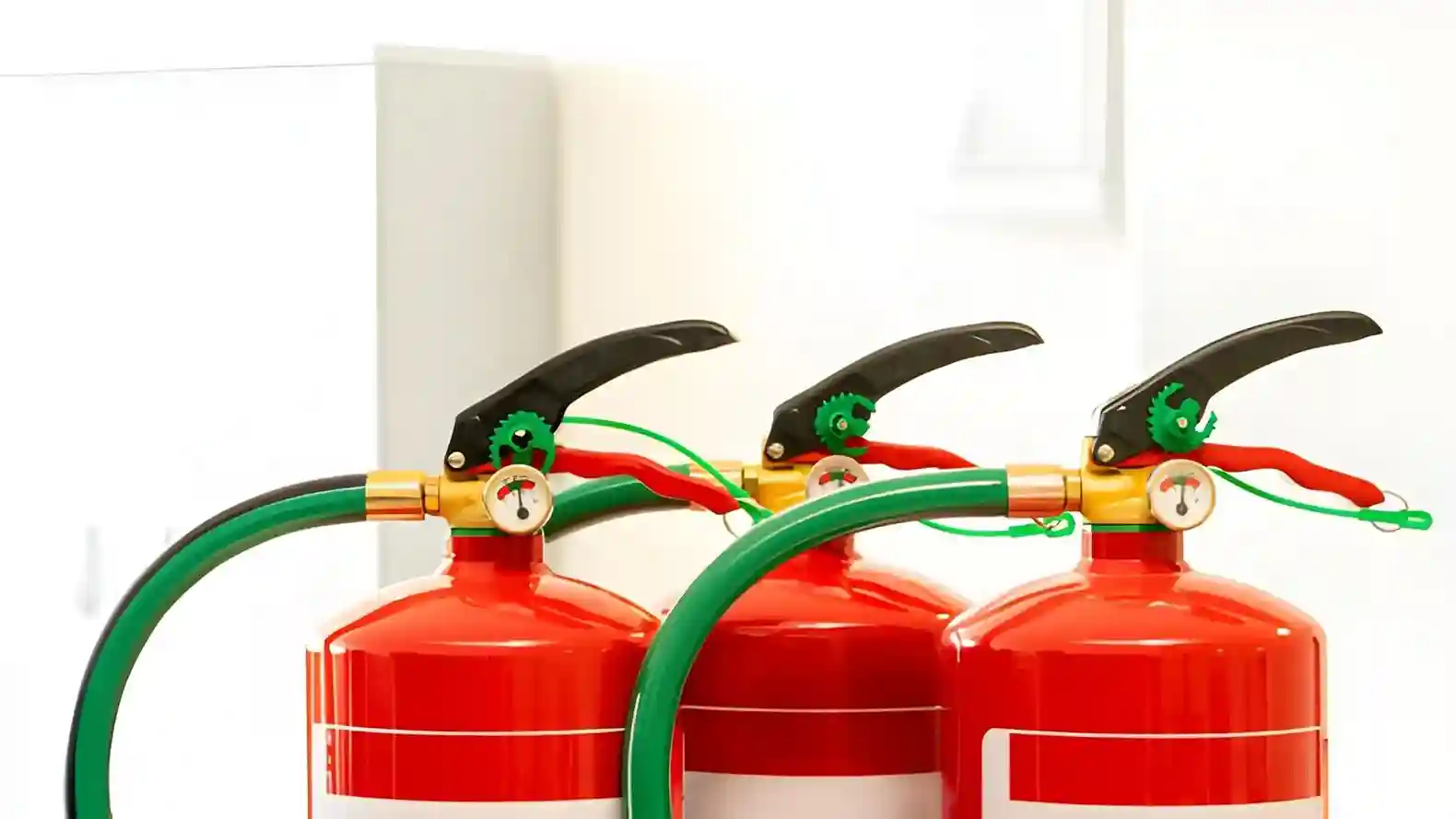
Fire Safety Certificate cost often rise due to preventable mistakes. Poor record-keeping increases review time. Obstructed escape routes trigger additional corrective actions. Incomplete alarm or lighting maintenance adds inspection complexity. Ignoring fire door issues creates compliance gaps. Lack of coordination between owners or managers increases oversight effort. Fire safety certificate requirements call for up-to-date documentation and regular system checks. Fire safety certificate London properties experience higher scrutiny when preparation is inconsistent. Fire Safety Certificate near me searches often relate to properties needing guidance to avoid cost escalation. Structured maintenance and clear responsibility assignment reduce unnecessary Fire Safety Certificate prices and support smoother approval outcomes in shared buildings.
| Mistake | Certificate Cost | Notes |
|---|---|---|
| Poor record keeping | £200-£400 | Maintain logs |
| Obstructed escape routes | £150-£300 | Keep exits clear |
| Incomplete alarm or lighting | £300-£500 | Check systems |
| Ignored fire door issues | £150-£350 | Ensure doors work |
| Lack of coordination | £400-£600 | Assign duties |
Role of Fire Safety Audits in Shared Buildings
Fire safety audits form a central part of Fire Safety Certificate approval. Audits assess alarm systems, emergency lighting, and evacuation plans. Fire Safety Certificate cost reflects audit scope and frequency. Audits identify gaps before formal inspection, supporting compliance readiness. Fire safety certificate requirements expect documented findings and corrective action tracking. Fire safety Certificate London authorities value comprehensive audit records. Fire Safety Certificate near me services often provide local audit support. Audits help align management responsibilities and communal safety control. Fire Safety Certificate cost remains lower when audits prevent deficiencies. Regular audits reinforce structured oversight and maintain adherence to fire safety certificate requirements across shared properties.
Ensuring Compliance with UK Fire Safety Laws
Compliance with UK fire safety laws protects residents and supports Fire Safety Certificate approval. Fire Safety Certificate cost aligns with how well regulations are met. Fire safety certificate requirements include hazard identification, risk mitigation, and record management. Fire safety certificate London properties face closer monitoring under legal frameworks. Fire Safety Certificate near me services assist in confirming adherence to statutory obligations. Regular checks, maintained systems, and coordinated responsibility reduce inspection delays. Fire Safety Certificate cost reflects readiness and evidence of compliance. Following a fire safety certificate ensures efficient certification and reduces potential enforcement action. Consistent attention to legal duties maintains safety standards across shared buildings.
Why Flats and Shared Properties Need Fire Safety Certification
Flats and shared properties present unique safety challenges due to shared occupancy patterns. Multiple households rely on common protection systems. A single failure can affect many residents. Fire Safety Certificate cost establishes accountability across management structures. Authorities expect proof of active risk control. Certification confirms awareness of the evacuation strategy and risk mitigation. Shared layouts demand clear responsibility assignment. Certification also supports transparent communication among stakeholders. Insurance providers often expect formal evidence of compliance. Property reputation links closely to safety readiness. Fire Safety Certification reduces enforcement exposure. Consistent standards across shared properties protect residents and asset value. Formal certification demonstrates responsible oversight and structured compliance planning.
Factors That Influence Fire Safety Certificate Price
Fire Safety Certificate Cost depends on several operational and structural elements. Property size shapes inspection scope. Occupancy density raises risk evaluation depth. Building age affects the system condition review. Layout complexity influences evacuation assessment detail. Existing documentation quality alters review duration. Management coordination also affects efficiency. Poor record-keeping increases assessment workload. Well-maintained systems support smoother approval. Fire Safety Certificate price also reflects follow-up needs after initial review. Authorities expect corrective actions where gaps appear. Early preparation stabilizes expectations. Clear communication between duty holders reduces delays. Fire Safety Certificate Cost remains closely tied to readiness level and organizational clarity.
How Building Size and Layout Affect Compliance Requirements
Building size directly affects compliance requirements within shared accommodation. Larger footprints demand extended escape route evaluation. Multi-story layouts introduce vertical evacuation concerns. Narrow corridors increase movement risk during emergencies. Dead-end layouts require specific mitigation measures. Shared basements add complexity to smoke control planning. Plant rooms and service shafts demand containment checks. Layout design also influences alarm audibility standards. Clear zoning supports effective evacuation management. Authorities expect tailored strategies rather than generic plans. Building size and layout shape both the assessment focus and the documentation needs. Structured layout awareness supports safer occupancy and smoother Fire Safety Certificate Cost processes across shared residential buildings.
Common Fire Safety Risks in Flats and Shared Accommodation
Shared accommodation presents recurring Fire Safety Certificate Price demand active control. Electrical faults often appear in communal systems. Improper waste storage increases ignition potential. Blocked escape routes create severe evacuation hazards. Fire doors left unsecured reduce compartmentation effectiveness. Inadequate signage confuses emergencies. Poor lighting maintenance affects nighttime evacuation safety. Unauthorized alterations also introduce hidden risks. Lack of resident awareness undermines safety procedures. Shared responsibility gaps often delay corrective action. Fire Safety Certificate cost highlights these risks through a formal review. Risk identification supports targeted mitigation. Proactive management reduces incident likelihood and strengthens overall safety posture within shared living environments.
Fire Risk Assessments and Their Role in Certification
Fire risk assessments form the foundation of the Fire Safety Certificate cost. Assessments identify hazards across communal areas. Evaluation covers ignition sources, fire presence, and people at risk. Control measures receive a detailed review. Findings guide corrective actions and maintenance priorities. Written reports demonstrate duty compliance. Authorities rely on assessment accuracy during certification decisions. Regular review ensures relevance after layout or occupancy changes. A structured assessment supports evacuation planning alignment. Fire Safety Certificate approval depends heavily on assessment quality. Clear documentation shows risk awareness and control commitment. Professional assessments strengthen credibility and support consistent safety standards across shared residential properties.
How Non-Compliance Can Impact Property Management
Non-compliance creates serious consequences for property management operations. Enforcement action disrupts daily management tasks. Improvement notices demand a rapid corrective response. Reinspection cycles increase administrative burden. Reputational damage affects stakeholder confidence. Insurance complications may arise after compliance failures. Resident trust weakens under safety concerns. Management teams face increased scrutiny from authorities. Delayed action often escalates regulatory pressure. Fire Safety Certificate cost delays affect transaction readiness. Clear compliance frameworks protect management stability. Proactive certification planning reduces disruption risk. Structured safety oversight supports smoother operations and reinforces responsible property governance within shared residential environments.
Fire Safety Responsibilities for Freeholders and Leaseholders
Fire safety responsibilities differ across freeholders and leaseholders within shared buildings. Freeholders often hold primary duty for communal safety systems. Leaseholders share responsibility for cooperation and access. Clear role definition prevents compliance gaps. Management agreements should outline safety duties. Maintenance coordination supports system reliability. Communication channels ensure awareness of procedures. Dispute resolution mechanisms support timely action. Authorities expect collective compliance regardless of ownership structure. Fire Safety Certification reviews responsibility clarity closely. Aligned understanding reduces delays and conflict. Coordinated responsibility management strengthens safety culture and supports consistent certification outcomes across shared residential properties.
Preparing Flats and Shared Buildings for Fire Safety Checks
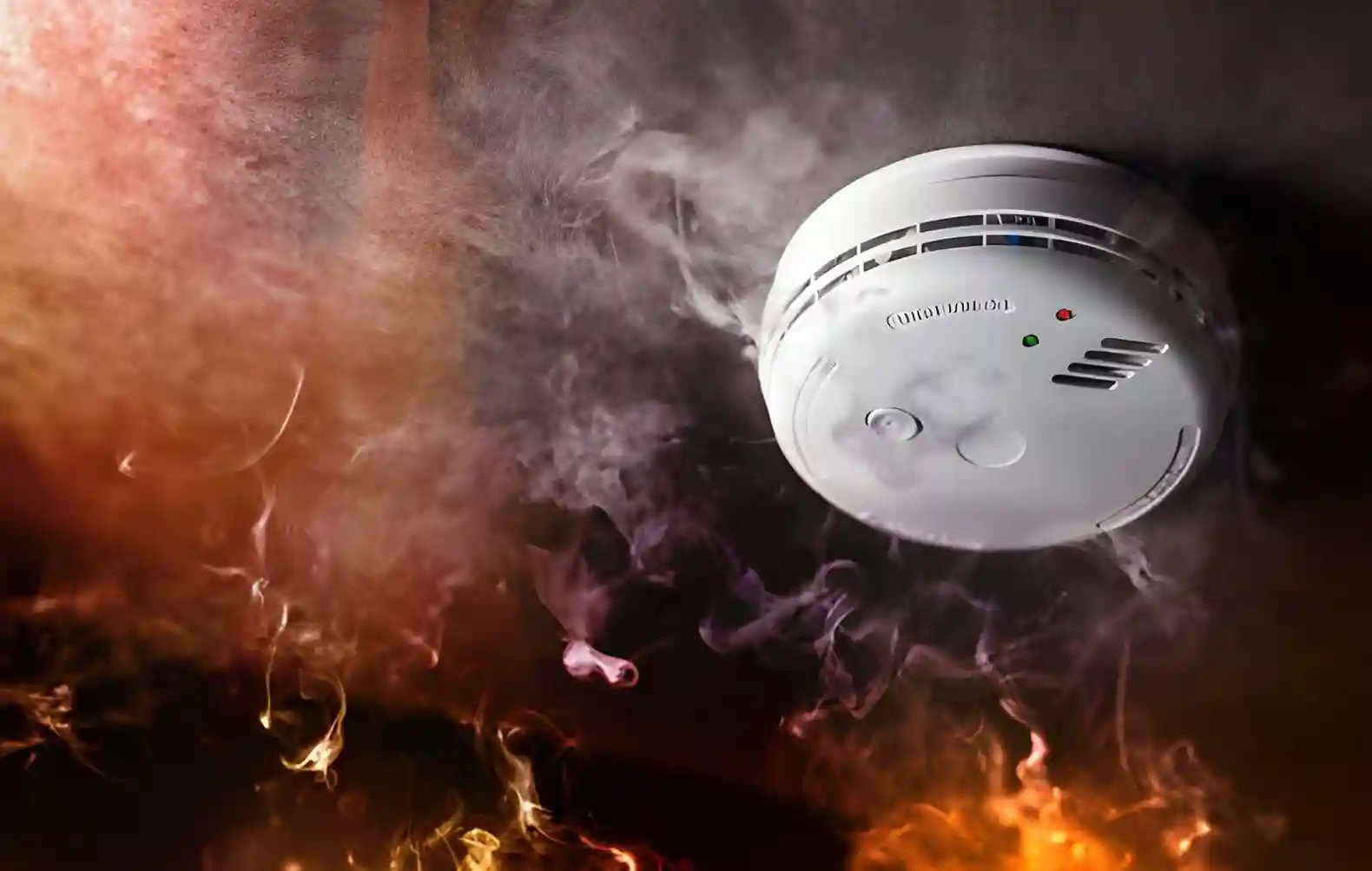
Preparation plays a key role in successful fire safety checks. Document readiness supports efficient review. Maintenance records demonstrate ongoing control. Clear access to communal areas enables thorough inspection. Signage condition review prevents last-minute issues. Alarm and lighting tests confirm operational readiness. Resident notices reinforce evacuation awareness. Management presence during checks supports clear communication. Pre-inspection reviews identify gaps early. Corrective actions completed in advance reduce follow-up pressure. Fire Safety Certification proceeds smoothly after structured preparation. Organized readiness reflects responsible management and strengthens compliance confidence across flats and shared buildings.
Frequently Asked Questions
Regular inspections, maintained systems, clear evacuation plans, and coordinated responsibilities enhance overall resident protection.
Organizing records, training staff, and performing regular safety checks reduces risk and improves readiness.
Inspections identify hazards early, ensure systems work properly, and maintain safety for all residents.
Blocked exits, faulty alarms, outdated documentation, and poor coordination often result in failed reviews.
Consistent maintenance keeps systems operational, supports safe evacuation, and prevents unnecessary corrective measures during inspections.
Conclusion
Fire Safety Certificate cost displays the extent of duty, preparation, and compliance throughout residences and shared homes. Proper planning, updated documentation, and maintained structures assist in managing cost and guide clean certification. Fire safety certificate requirements manual includes all protection measures, from breakout routes to alarm systems, making sure constant standards throughout shared lodging. Fire protection Certificate London and Fire Safety Certificate near me options offer on-hand expert aid for assessment and guidance. Avoiding common errors, which include obstructed exits, incomplete maintenance, and terrible coordination, reduces needless Fire Safety Certificate costs. Structured oversight and regular assessments give a boost to safety, compliance, and self-belief in property management. Taking proactive steps guarantees a safe environment and an efficient certification process for all shared residential homes.
About the Author: Atia Amin



Get Social