
Fire Safety Certificate

Start from £55

All inclusive (No hidden Cost)

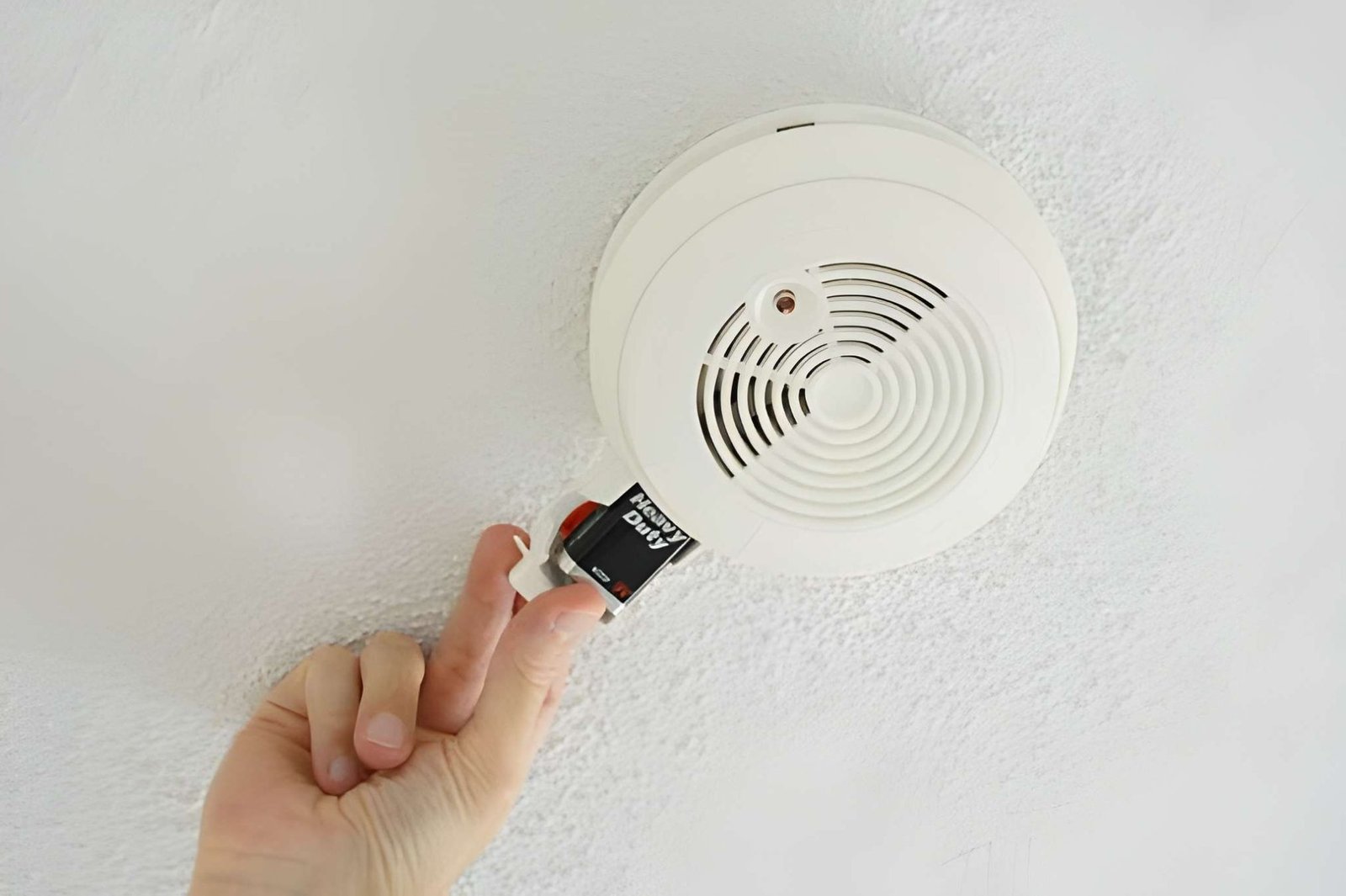
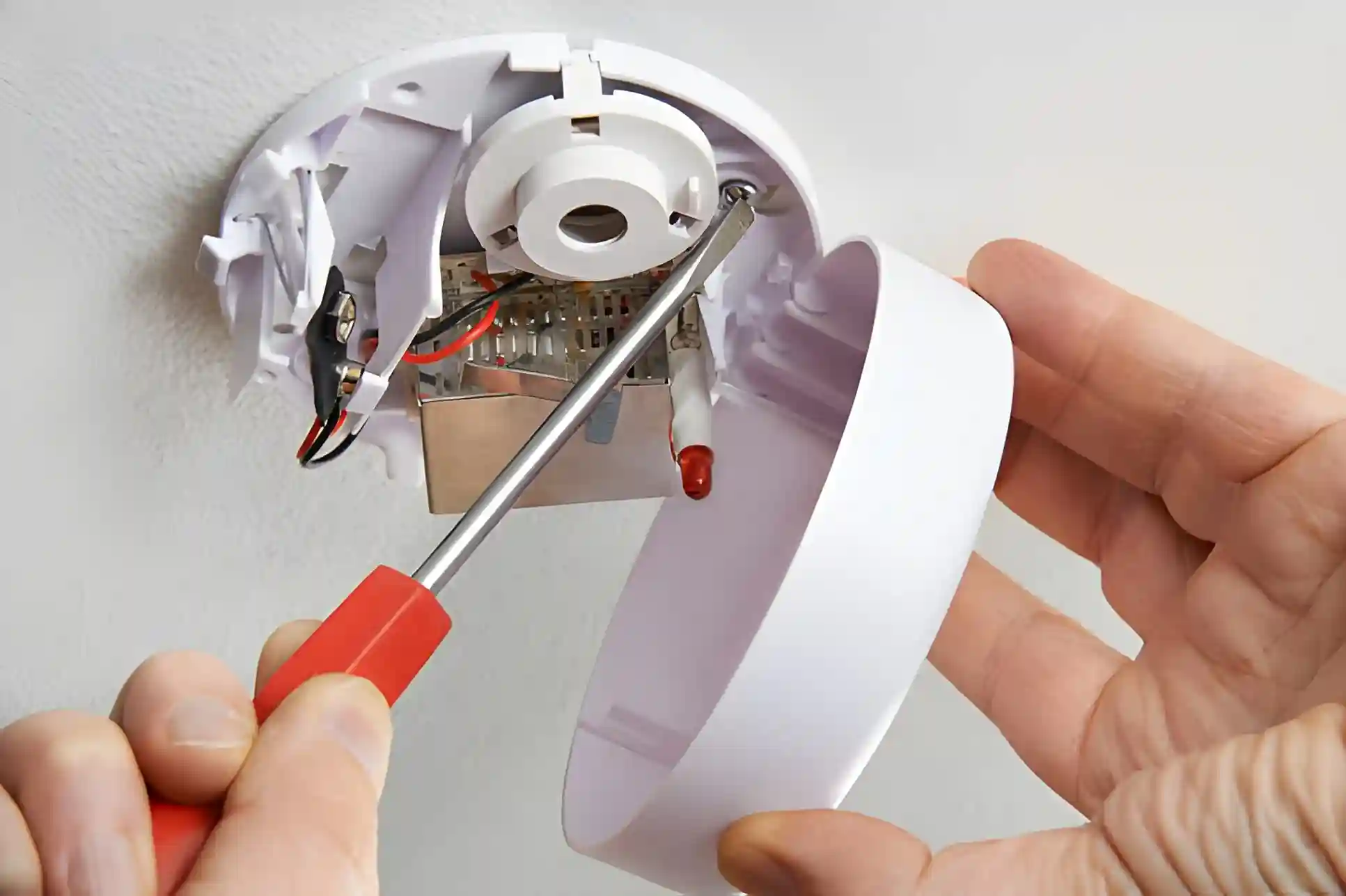
Up to 3 Smoke/Heat Detectors

£55*

* Any Additional alarm after first 3 alarms is tested at £12 per alarm

A fire safety certificate is a document that certifies that a building or other structure meets the fire safety standards set by the UK government. The certificate is issued by a qualified fire safety professional, such as a fire engineer, after they have inspected the premises and found it to be compliant with the relevant regulations. The certificate is valid for a certain period of time, usually one year, and must be renewed every year.

A fire safety certificate is a document that proves that your property meets the fire safety standards set by the BS 5839. This certificate is required in order to obtain a fire safety permit from your local council.

The BS 5839 sets out the fire safety requirements for properties in the UK, and the fire safety certificate confirms that your property meets these standards.

If you are planning to make any changes to your property that could affect its fire safety, you will need to obtain a new fire safety certificate. This is to ensure that your property continues to meet the fire safety standards set by the BS 5839.

*£5 Parking Charges are applicable in case of paid parking.
*£18 Congestion Charge applicable in case the property is in congestion charge zone

*£5 Parking charges are applicable in case of paid parking.
*£18 Congestion Charge applicable in case the property is in congestion charge zone

If you have more than 3 alarms at your property which needs to be tested, you can make your booking by clicking on the button below:

Fire Safety certificate

A fire safety certificate is a document that certifies that a building or other structure meets the fire safety standards set by the UK government. The certificate is issued by a qualified fire safety professional, such as a fire engineer, after they have inspected the premises and found it to be compliant with the relevant regulations. The certificate is valid for a certain period of time, usually one year, and must be renewed every year.

A fire safety certificate london is a document that proves that your property meets the fire safety standards set by the BS 5839.

The BS 5839 sets out the fire safety requirements for properties in the UK, and the fire safety certificate confirms that your property meets these standards.

If you are planning to make any changes to your property that could affect its fire safety, you will need to obtain a new fire safety certificate london. This is to ensure that your property continues to meet the fire safety standards set by the BS 5839.

Do You Want To Book Multiple Services?

EICR

Gas Safety

Fire Safety

A fire safety certificate (also known as a BS5839 certificate) is an inspection carried out by a qualified fire safety engineer to ensure that all fire safety equipment in a property, including heat and smoke alarms, is up to date and compliant with current fire safety regulations. The certificate is usually valid for one year, after which another fire safety inspection must be carried out to renew it.

As a property owner, it is your responsibility to make sure that your fire safety equipment is up to date and compliant with fire safety regulations. A fire safety certificate london is the best way to ensure this. A fire safety engineer will carry out a thorough inspection of all fire safety equipment in your property, including heat and smoke alarms, and will provide you with a report detailing any areas that need to be addressed.

Do you need fire safety certificate
  • If you don’t have a fire safety certificate for your property, you could be putting yourself and your tenants at risk. If a fire were to break out in your property and it was found that your fire safety equipment was not up to date or compliant with fire safety regulations, you could be liable for any damage or injuries caused.

  • So, if you’re responsible for a property, make sure you have a fire safety certificate london and carry out regular fire safety inspections to protect yourself, your tenants and your property.

fire safety certificate london

What type of smoke alarm is required in your property

There is no specific type of alarm mandated by the regulations, so landlords should select the type of smoke alarms based on their building and tenants’ needs. The selected alarms should also comply with British Standards BS 5839-6. Where battery powered alarms are used, it is recommended to use ones with “sealed for life” batteries instead of replaceable batteries.

But as a General Rule of the thumb which every council in the UK Follows is in every rented property which is bigger than a studio apartment needs Mains Powered Smoke alarm in common hallway/s and lounge/s to achieve a minimum protection of Grade D LD 3 if rented to a single tenant or family, however if the property is being rented out as a HMO, where the rooms in the property are individually let, you will need main powered smoke alarms in each room, in common hallways and lounge/s if the property is no bigger than 2 floors, this will give you Grade D LD 2 Protection. If the HMO Property is spread over 3 or more floors, than you will need a Grade A Fire Alarm Panel System in the property with the alarms situated in each room, common hallways and lounge/s. Once the fire alarm panel system is installed the property gets Grade A LD 1 protection.

When it comes to choosing a smoke alarm/heat alarm, there are two main types to choose from: battery powered and mains powered. Both have their own advantages and disadvantages, so it’s important to choose the right one for your needs.

Battery Powered Alarms

Battery powered alarms are generally easier to install, as they don’t require any wiring. They’re also more portable, so they can be easily moved from one room to another. However, battery powered alarms can be less reliable than mains powered alarms, as the batteries may need to be replaced regularly

Mains Powered Alarms

Mains powered smoke alarms are the most reliable type of alarm, as they are not reliant on batteries. They should be installed in every room where people sleep, as well as in hallways and stairwells. Mains powered alarms are hardwired into the mains electricity supply, so they will continue to work even if there is a power cut.

Fire Alarm Panel System

Fire alarm panel system is a device that helps in detecting and suppressing fires. Fire alarm panels are usually installed in HMO Properties which are spread over 3 floors, commercial and industrial buildings. Fire alarm panels detect the presence of smoke and heat, and then activate the fire suppression system to extinguish the fire.

BS 5839 Fire Safety Certificates are a crucial aspect of ensuring the safety of buildings and their occupants. These certificates, are issued on British Standards and provide assurance that a building’s fire safety measures comply with the guidelines laid out in BS 5839, the British standard for fire detection and alarm systems in buildings.

Obtaining a BS 5839 fire safety certificate london involves a thorough assessment of a building’s fire safety measures, including fire alarms, emergency lighting, and evacuation plans. The assessment is carried out by a qualified fire safety inspector, who will examine the building’s systems and make recommendations for any improvements that may be necessary.

To be eligible for a BS 5839 fire safety certificate london, a building must have a fire detection and alarm system that meets the requirements of the standard. This includes the proper placement of smoke detectors and alarms, as well as the provision of emergency lighting and evacuation plans.

Additionally, the building must have a fire safety management plan in place, outlining procedures for responding to a fire emergency. One of the key benefits of a BS 5839 fire safety certificate london is that it helps to ensure the safety of both the building and its occupants in the event of a fire. This can provide peace of mind for building owners, tenants, and visitors alike.

Additionally, having a certificate can be beneficial for insurance purposes and may even be required by some lenders. In summary, if you own, manage or lease a building or a house, it’s important to be aware of BS 5839 Fire Safety Certificates and the requirements for obtaining one. Ensuring that your building meets these guidelines can provide peace of mind and added protection in the event of a fire emergency.

Fire safety is a crucial aspect of building and property management, and one of the key ways to ensure that your property is compliant with fire safety regulations is by obtaining a BS 5839 fire safety certificate london.

BS 5839 is the British standard for fire detection and alarm systems in buildings. It outlines the requirements for the design, installation, commissioning, and maintenance of fire alarm systems, and helps to ensure that properties are protected against the risk of fire.

To obtain a BS 5839 fire safety certificate, your property must be inspected and tested by a qualified fire safety professional. The inspector will assess the fire alarm system, including the design, installation, and maintenance, to ensure that it meets the requirements of the standard. If the system passes the inspection, a certificate will be issued.

There are several benefits to obtaining a BS 5839 fire safety certificate london. For one, it helps to ensure that your property is compliant with fire safety regulations, which can help you avoid fines and penalties. Additionally, having a fire alarm system that meets the requirements of the standard can help to protect your property and the people who occupy it in the event of a fire.

In addition to the fire safety certificate london, it is also important to ensure that your fire alarm system is properly maintained on regular basis. This includes regular testing and inspection of the system, as well as repairs and replacement of any components that are damaged or worn.

In summary, BS 5839 fire safety certification is a crucial aspect of building and property management and it is important to ensure that your property is compliant with fire safety regulations. Obtaining a BS 5839 fire safety certificate london can help to protect your property and the people who occupy it in the event of a fire.

The standard for fire detection in domestic dwellings, BS 5839-6, is the go-to reference for architects and other building professionals, installers and contractors alike. It offers direction on how to comply with regulations that cover single families homes, houses in multiple occupation (HMOs) as well as sheltered housing (housing & common spaces). This comprehensive guide will make it easier to audit installations while still ensuring its user friendly guidance can be applied by non-specialists.

BS 5839 Part 6 is not created for house owners but professionals such as architects, contractors, and other individuals responsible for executing fire safety in homes. Homeowners should refer to the Government guidelines provided in Approved Document B Volume 1 instead.

Quoting the Code of Practice as a specification can be misleading and, unfortunately, does not guarantee legal immunity. Nonetheless, being compliant with the latest version of the code is usually an effective way for landlords and installers to protect themselves against any potential claims.

This Code of Practice offers guidance on all kinds of fire alarm systems, from the most basic self-contained smoke alarms powered by batteries to more complicated ones with central panel(s) that comply with British Standard 5839 Part 1. Moreover, BS 5839 Part 6 outlines requirements for domestic structures such as bungalows, multi-storey homes and apartments, individual maisonettes and mobile residences, from individual accommodation in sheltered housing to mansions and divided single-family dwellings, residences such as Houses in Multiple Occupation (HMOs), NHS community homes, and shared houses all call for special care.

Recently, the Alarm Grades were revamped to include new grades that cover various alarm systems based on BS 5839-6:2019 A1:2020. This standard has been a major reference since 1995 for architects and fire safety contractors as well. Through British Standard BS 5839-6 (domestic), it is made clear what type of system should be installed to prevent property damage and more importantly loss of life.

  • Grade A

    This level includes individual detectors, sounders, and a central control system along with indicating equipment that adheres to British Standards BS EN 54. Additionally, it has back up battery power supply incorporated into the design. This is commonly referred to as fire alarm panel system

  • Grade C

    Incorporates individually installed detectors and alarms that are powered through the main power source, but have a supplementary backup generator connected to a centralized command center.

  • Grade D1

    Is a system that contains one or more detectors connected to an external mains power supply and also equipped with an inbuilt tamper-proof, battery-powered standby feature.

  • Grade D2

    Is a system of one or more permanently powered detectors, featuring an impenetrable emergency power source and user-replaceable batteries.

  • Grade F1

    Fire Alarm Systems are a type of battery-powered alarm system that includes one or more detectors, each fitted with its own personalized battery.

  • Grade F2 – Fire alarm systems are a combination of one or more battery-powered detectors powered by user-replaceable, tamper proof batteries. This grade outlines the lowest standard for fire alarms placed in buildings to provide vital protection for its occupants. However, this grading system is based on both the equipment installed and how much security an occupant needs depending on their level of risk from fires. Additionally, there exist three categories of these types of systems:

  • LD3 – Basic Coverage

    This level of fire alarm and detection safety provides the absolute bare minimum in terms of protection. It features detectors located on all paths that are used to exit a structure, such as hallways and staircases. This variety is only suitable for single storey dwellings like owner-occupied bungalows or flats with no floor higher than 4.5 metres from the ground.

  • LD2 – Coverage

    If you’re looking for extra safety, an LD2 Category is your best bet. This type of protection has detectors in all circulation areas that are part of the escape route (hallway/landing) as well as in all bedrooms and specific rooms with a higher risk of fire, such as kitchens and living rooms. Keep in mind that when it comes to kitchen detection systems, heat alarms are always recommended for optimal security.

  • LD1 – Maximum Protection

    The highest degree of protection for the inhabitants of a building is available with LD1 category fire detection systems. Installed in all areas throughout the premises including circulation points that are part of an escape route (hallway/landing), living room, kitchen (heat alarm), bedrooms, loft and garage spaces (excluding low risk areas such as bathroom).

In the United Kingdom, only a qualified fire safety inspector can issue a fire safety certificate. A fire safety inspector is typically from an organisation such as the local Fire and Rescue Service or a third-party inspection body accredited by UKAS or other regulatory bodies such as an NICEIC or ELECSA qualified engineer, please make sure to hire the right contractor for your fire safety certificate london needs.

The national standard for issuing fire safety certificates in Britain is BS 5839: Fire Detection and Alarm Systems for Buildings. The fire safety certificate includes a comprehensive fire risk assessment, ensuring that the premises meet all relevant standards and regulations.

The certificate is valid for 12 months and must be renewed annually to ensure continued compliance with fire safety regulations. If the premises are found to be in breach of any fire safety regulations, the fire safety certificate london may not be issued until the issues are rectified. It is therefore essential that these standards and regulations are adhered to in order to ensure the safety of your premises and personnel.

By regularly checking that all fire safety measures are up to date and maintained, you can ensure that your premises remain safe for everyone. A fire safety certificate London is a vital document which needs to be kept safely and securely on the premises at all times. If a fire occurs, it can help speed up the fire inspection process and provide valuable evidence of compliance with fire safety regulations.

Note: If you are having a problem with you existing fire alarms or the fire panel system book a fire diagnostic with us today! Book Online or call us at 020 4518 8189.

It is essential to make sure that premises are equipped with the correct fire safety measures. A fire safety certificate London, often referred to as a Fire Certificate or BS 5839-1: Fire Detection and Alarm Systems for Buildings in the UK, provides evidence that these measures have been put in place and meet legal requirements.

The BS 5831 fire safety certificate london is designed to ensure the prevention and protection of any property from the danger of fire. The certificate covers all aspects of fire safety, from detection systems to evacuation plans and emergency lighting, making sure that people are kept safe in case of a fire breaking out.

It is vital that this certificate is up-to-date and valid, as failure to do so can result in hefty fines or even criminal prosecution. It is important that employers, landlords and business owners take responsibility for making sure their fire safety certificates are up-to-date, regularly checked and renewed when necessary. With the right measures in place, lives can be saved and property protected in case of a fire emergency.

The fire safety certificate is an important document that is legally required in the UK. It outlines all fire safety measures, providing peace of mind that the premises are safe and compliant with the latest regulations. A valid fire safety certificate london can prove invaluable in case of a fire emergency, ensuring that people within the building can escape safely and quickly.

It also ensures that businesses comply with the law and can protect them from hefty fines or criminal prosecution. With a fire safety certificate london, you can be sure that your premises are safe and up-to-date. The BS 5831 fire safety certificate london is an essential document for any business, property or building in the UK. It outlines all fire safety requirements and provides evidence that the property is compliant with fire safety regulations.

It is important to ensure that your fire safety certificate london is up-to-date, regularly checked and renewed when necessary in order to keep people safe and protect against criminal prosecution. A valid fire safety certificate london can be invaluable in case of an emergency, so make sure you take responsibility for keeping your certificate up-to-date. With the right measures in place, lives can be saved and property protected from fire emergencies.

Get your fire safety certificate london today and rest easy knowing that you are compliant with UK law. Protect yourself and your property with a fire safety certificate. Make sure you get the right advice and the right protection – get your fire safety certificate london now. You won’t regret it.

Failing to obtain a fire safety certificate London for your property can have serious consequences. In the UK, if you do not have a valid BS 5839 fire safety certificate london in place, you may face fines, imprisonment or even closure of your premises as laid out by the Regulatory Reform (Fire Safety) Order 2005.

This is why it is so important to ensure that all fire safety requirements are met and a valid fire safety certificate london is in place. Additionally, if you don’t have the correct fire safety measures in place not only can you be fined but also your insurance may be affected should an incident occur and no proper fire safety certificate london is held.

Regular checks of your property’s fire safety systems will help ensure you have the correct fire safety certificate in place. It is also important to note that fire safety certificates are not a one-time requirement and need to be updated regularly to remain valid. Your local fire and rescue service can provide more information on how often your fire safety certificate needs to be updated.

Failing to adhere to these guidelines can have serious implications, so it is important to make sure you are up-to-date with fire safety regulations.

In conclusion, obtaining a fire safety certificate london for your property is essential and will help ensure that you are compliant with the law and have appropriate fire safety measures in place. Failing to obtain a valid fire safety certificate london can result in fines, imprisonment or closure of your premises, so it is important to make sure that all fire safety requirements are met and a valid fire safety certificate london is in place.

Regular checks of your property’s fire safety systems will help make sure that your fire safety certificate london remains valid. If you have any questions about the fire safety certificate requirements for your property, it is important to contact your local fire and rescue service.
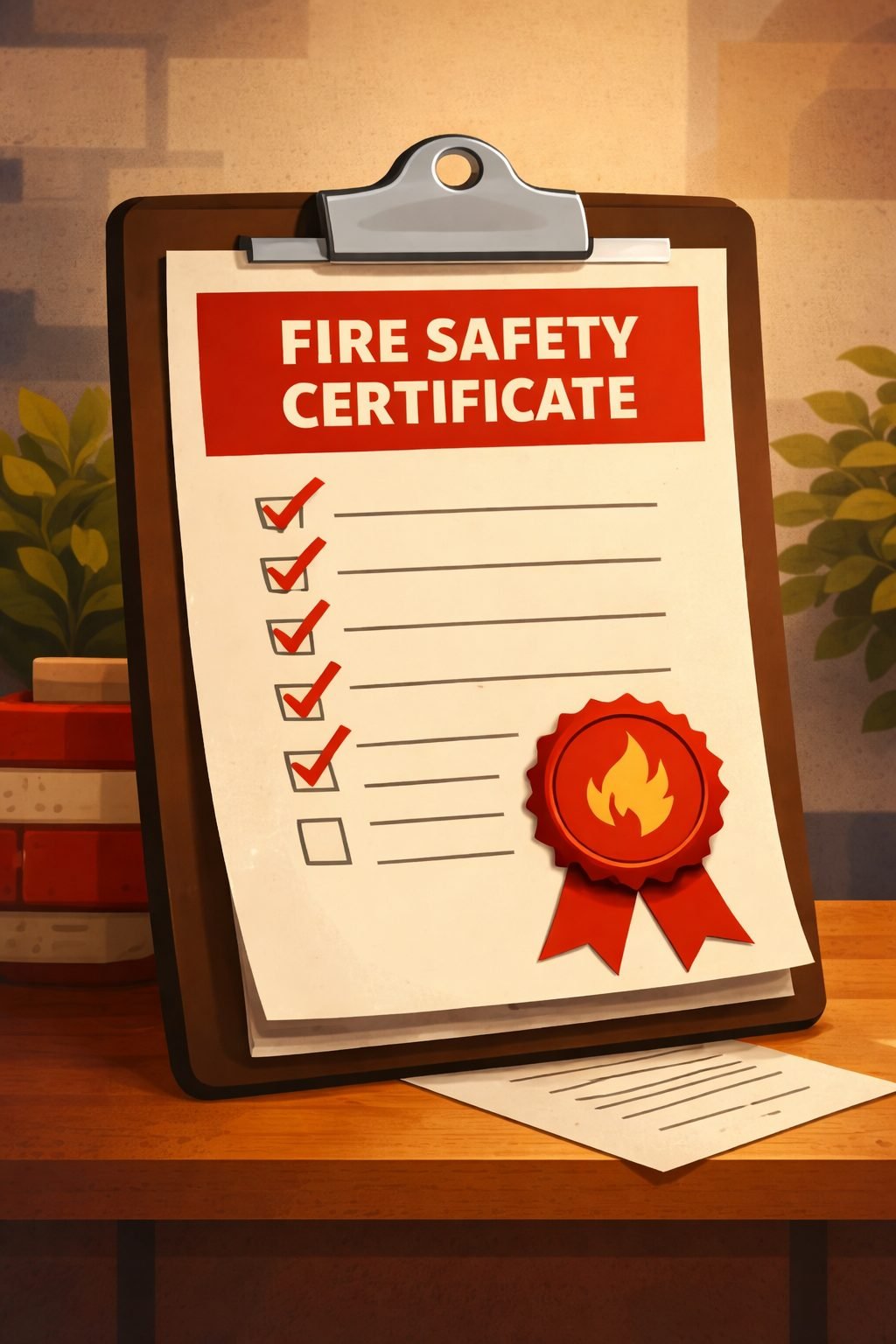

What is a Fire Safety Certificate?

An official document that can only be issued by a certified fire safety professional is known as a fire safety certificate London. This certification is solid proof that your property has undergone all the mandatory fire safety inspections and has passed them. Moreover, it shows your property’s compliance with local fire safety regulations. Especially in London, for most type of properties, fire safety certification depicts how responsible the landlords and property managers are and if they have taken the necessary steps needed for fire hazard prevention.

There is a common misconception that a fire safety certificate london is the same as a fire and safety certification are the same thing. A fire and safety certificate is concerned with a broader inspection that involves both fire safety and other general safety hazards. On the other hand, the fire safety certificate london is particularly concerned with fire prevention measures. These specific measures include extinguishers, fire alarms, evacuation procedures, and emergency exits. In London, the Regulatory Reform (Fire Safety) Order 2005 governs fire safety certificates.

fire safety certificate london
  • The same level of compliance is not required by every kind of property. As a landlord, property manager, or homeowner, it’s your duty to figure out the level of compliance demanded by your property and then to make sure that anyone living in your property or visiting it is completely safe and not exposed to any kinds of risks.

    Properties requiring compliance are listed below:

  • HMOs require compliance as they are very prone to fire risks and hazards due to shared kitchens, bathrooms, and communal areas.

  • Comprehensive fire risk assessments are needed for larger residential buildings that contain shared stairwells, entrances, and corridors.

  • Mixed-use residential properties like shops or offices are needed to comply with both commercial and residential fire safety regulations.

  • Additional fire safety regulations apply to commercial or part-commercial properties, and landlords are needed to ensure complete certification.

Is Fire Safety Certification a Legal Requirement?

In London and across the UK, fire safety certification is a legal requirement for property owners and landlords. Anyone who is responsible for a non-domestic or shared residential property is known as a responsible person. This responsible person, under the Regulatory Reform (Fire Safety) Order 2005, is bound to ensure that all the fire safety measures are satisfactory. Flats, HMOs, rental properties, and mixed-use buildings all fall under this legislation.

A fire risk assessment needs to be carried out by landlords in order to minimize fire hazards and risks. This certification is often requested by insurers, enforcement teams, and letting agents to ensure compliance and safety.

fire safety certificate london

As a landlord, tenants trust you with their lives and call your property their home. Fire safety certification makes sure that this trust doesn’t get broken. This certification is first and foremost about saving precious lives.

Early warning systems, fire-resistant features, and escape routes are all guaranteed by a properly certified property. Certification ensures that fire risks are identified before they turn into major hazards that cause loss of life.

Fire Safety Certificate Requirements in London

In London, in order to obtain a fire safety certificate london, landlords must meet certain safety standards, such as:

Fire Risk Assessment

Identify Fire Hazards

Class B Fires: Flammable Liquids & Gases


Identifying anything that can possibly start a fire or help it spread faster is the first step of a fire risk assessment. These contributing factors also include cooking appliances and heating equipment.


Assess Risk to Occupants


The next step is characterized by evaluating who is at most risk in case a fire emergency takes place.


Implement & Record Safety Measures

Fire Safety Certificate


Appropriate fire measures are implemented once all the risks are identified. These measures also include installing or upgrading smoke alarms.
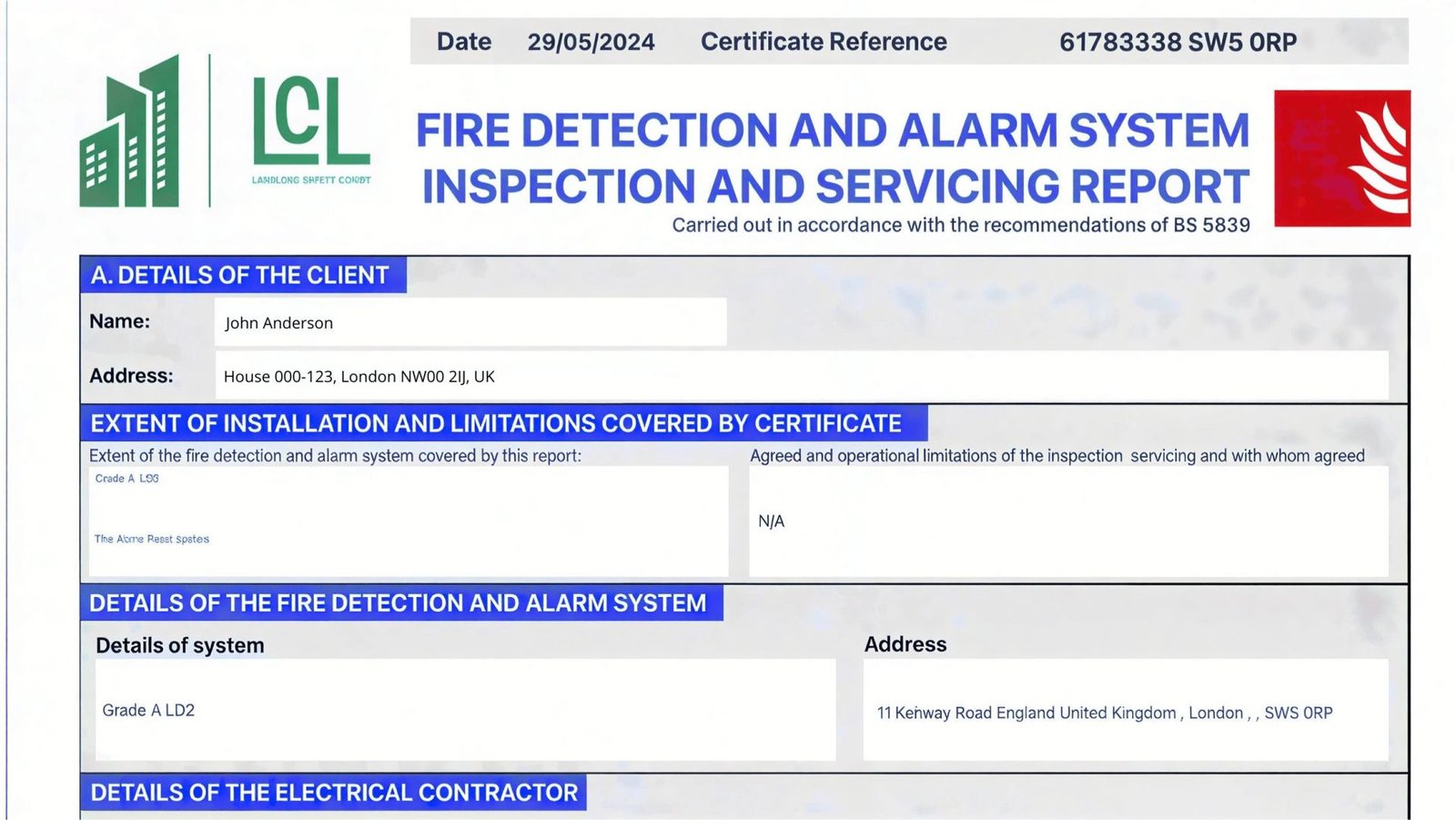


Fire risk assessment is an ongoing responsibility that is crucial for ensuring compliance and safety. Fires reach extremes because of negligence and ignorance of smaller issues. These smaller issues later turn into bigger problems that have severe consequences. Identification of dangers at an early stage is made possible by fire risk assessments. The working of warning systems, accessibility, and proactive measures are ensured during a fire risk assessment. A properly carried out fire risk assessment is the perfect demonstration of how responsible you are as a landlord or property manager. Knowing that in case of any emergency, tenants have a safe way out brings peace of mind like nothing else.

When we consider HMOs, a fire safety certificate london becomes even more crucial as these kinds of properties are likely to face more fire-related risks due to shared living environments.

The following are some reasons why HMOs demand stricter fire safety compliance:

1.Higher occupancy levels contribute to increasing the likelihood of fire incidents.

2.Communal kitchens and living areas increase the risk due to frequent appliance use.

3.Complex escape routes make evacuation confusing.

4.Many HMO fires occur at night, making early detection systems even more important.

5.Varying awareness levels increase reliance on safety systems.

6.Stricter fire safety standards are imposed on HMOs by London councils.

Fire Safety Certificate for Flats

A fire safety certificate london for flats is mandatory for landlords to guarantee compliance with legal requirements and protect tenants. Managing a single flat or multiple-unit building has an influence on the fire safety measures. Internal safety measures like smoke alarms are considered when it comes to individual flat certification. On the other hand, in the case of a multi-unit building, certification tends to cover emergency lighting, extinguishers, evacuation plans, and staircases.

Beyond legal obligations, a fire safety certificate london also plays a vital role in day-to-day tenant safety. The risks are minimized through properly installed smoke alarms, clear evacuation routes, and functional fire extinguishers.

Fire Safety Certificate Cost

There are a lot of contributing factors when it comes to fire safety certification. These factors include the type of property, size of the property, occupancy level, and the overall fire risk of the property. For properties in London, higher costs should be expected by landlords for properties like HMOs and multi-unit buildings. These higher costs are due to the demand for more detailed inspections. Moreover, it is natural for a single flat to cost less as compared to larger buildings. These larger buildings usually possess multiple floors, complex escape routes, and demand more time and expertise. All of these factors contribute to the overall fire safety certificate london price. Furthermore, the need for follow-up inspections and the condition of existing fire safety measures act as additional factors that affect the cost of a fire safety certificate london.

At Landlord Certificate London (LCL), we make sure that our prices are reasonable and we offer value for money. All our prices are inclusive and free from any additional or surprise add-ons. Our fire safety certificate cost starts from £55 (up to 3 smoke/heat detectors).

Landlord Fire Safety Certificate

The professional assessment of a rental property is proved through a crucial document called a landlord fire safety certificate london. This documentation ensures that all required fire safety standards are being met by the property. As a landlord, it should be your utmost priority to guarantee the safety of the tenants who call your property home. A landlord fire safety certificate london shows how responsible you are as a landlord and whether you have fulfilled all the concerned legal duties in order to identify fire risks and eliminate them before they turn into something far more dangerous. This certificate holds greater significance for HMOs, flats, and properties with communal areas because in such properties, the risk of fire is greater due to increased occupancy and shared facilities.

Clear evidence of compliance with fire safety legislation and local authority requirements is provided by a valid fire safety certificate london. Smoke and heat alarms, emergency lighting, fire doors, and safe escape routes are some essential measures needed for protection from fire hazards. The proper maintenance of such measures is guaranteed by a proper landlord fire safety certificate london.

HMOs

When it comes to HMOs, obtaining a landlord fire safety certificate london is not optional in any way as these types of properties possess higher level of fire risks due to multiple occupants, shared living spaces, and varying levels of tenant awareness.

Commercial Properties

It is essential to demonstrate compliance as a landlord when it comes to fire safety for commercial properties. These types of properties tend to carry distinct fire safety responsibilities resulting from higher footfall, and the presence of employees and the general public.

Mixed-Use Buildings

Mixed-use buildings possess unique fire safety risks as they combine residential and commercial spaces, which makes it mandatory for landlords to obtain a landlord fire safety certificate london.
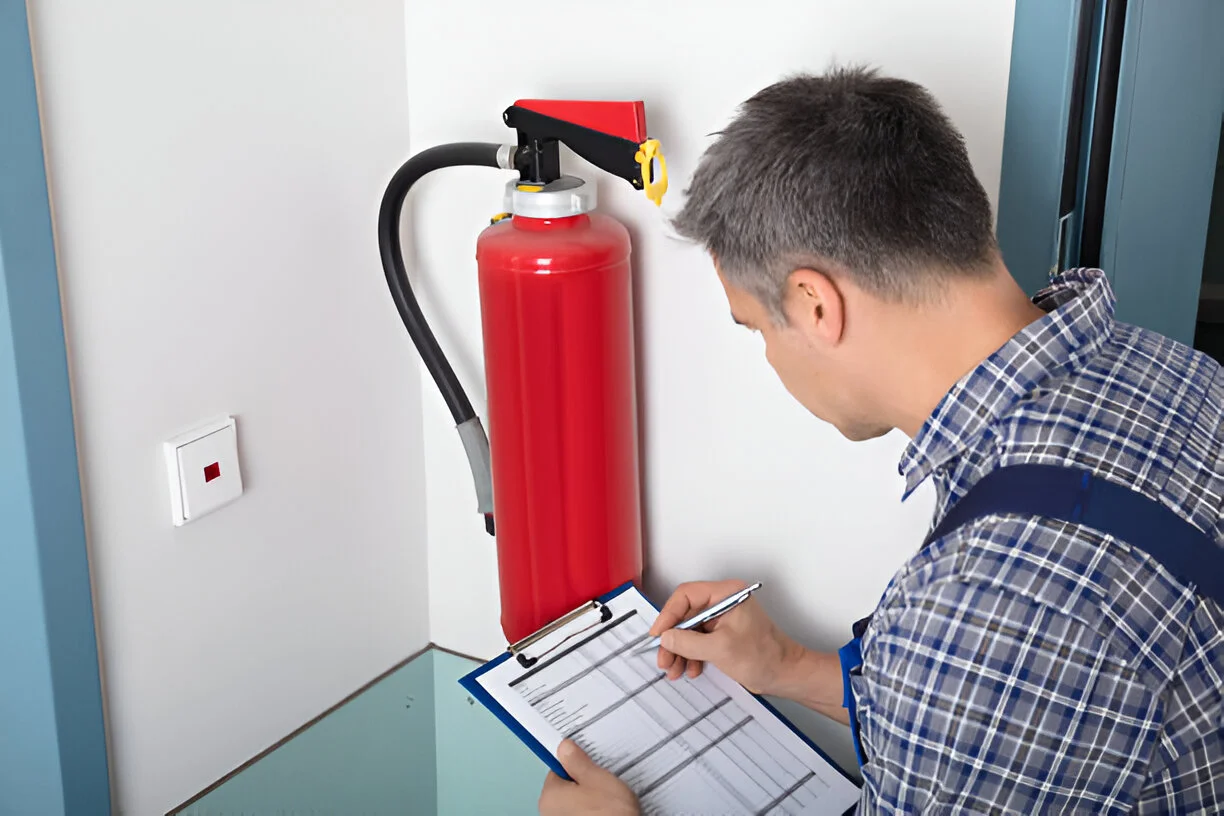
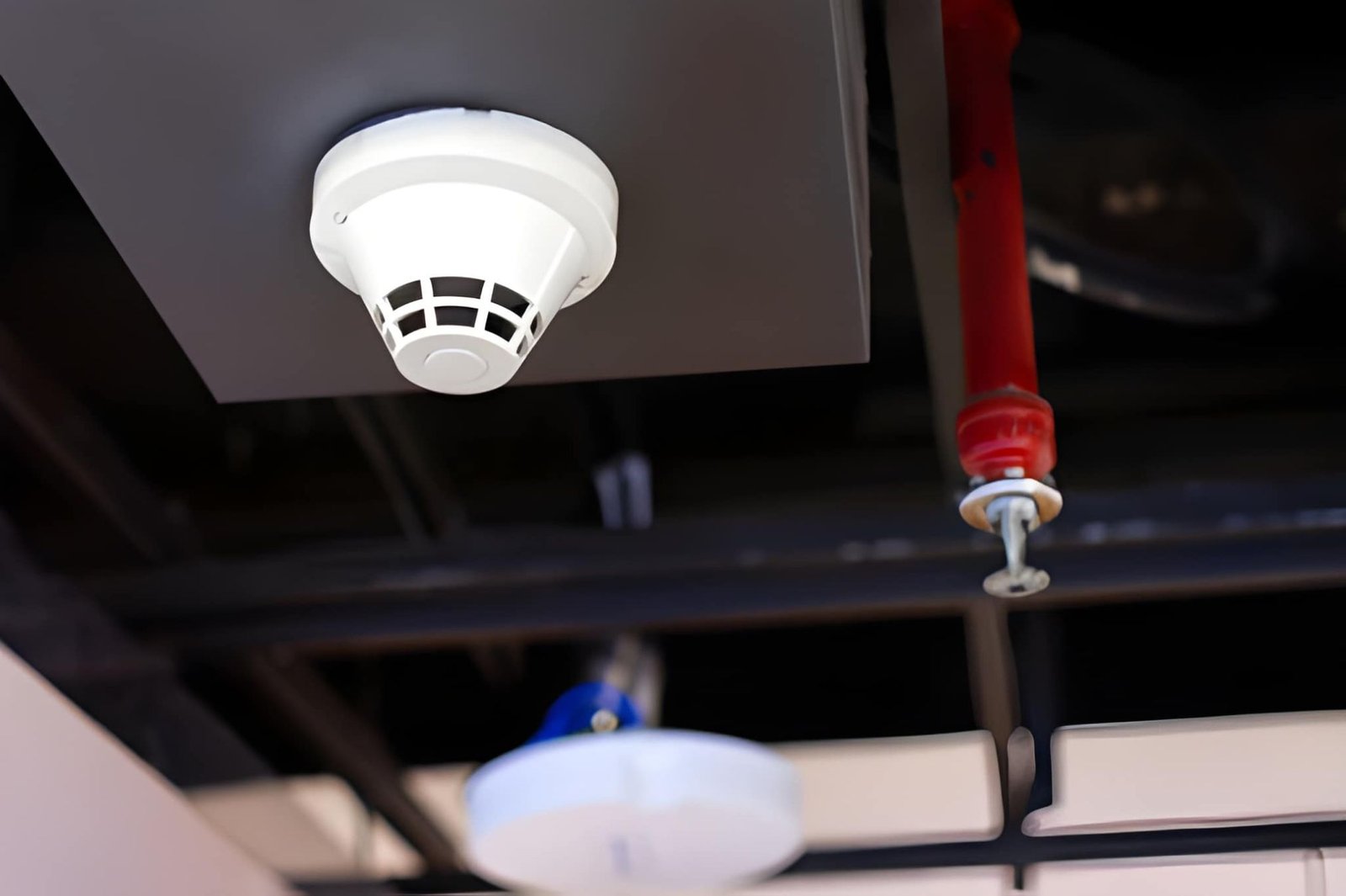
Benefits of Having a Fire Safety Certificate

Protects Lives

Protection of precious lives is the most important benefit of a fire safety certificate london. Maintenance and efficiency of warning systems, escape routes, and fire protection measures are confirmed by proper certification.

Ensures Legal Compliance

Compliance of landlords, homeowners, and property managers with legal obligations under fire safety legislation is demonstrated by a fire safety certificate london. It provides proof of thorough assessments in the form of documentation.

Protects from Liability

For landlords, legal and financial risks are minimized by holding a valid fire safety certificate london. In case of any fire related emergencies, certification provides proof that all mandatory safety steps were taken to ensure safety.

Supports Insurance Coverage

Proof of fire safety compliance is demanded by most insurers prior to issuing or maintaining cover. The validity of insurance policies is ensured through proper certification.

Builds Trust and Value

Prioritizing tenant safety helps build tenant trust and plays a significant role in enhancing a property’s value, as well-maintained properties appear to be more attractive to tenants.

Common Fire Safety Issues for Landlords

Neglect is not the main reason for fire safety issues; it’s overlooking risks. Poorly positioned or non-functional smoke alarms are the root cause of most fire hazards. In most cases, smoke alarms are overlooked and may not be tested regularly or replaced when faulty. Damaged or non-compliant doors are another frequent issue that allows fire and smoke to travel rapidly, causing more damage. Moreover, another major concern is blocked or cluttered escape routes. Such problems are more common in HMOs and flats with communal areas. Safe evacuation can be obstructed due to items like furniture, waste bins, and bicycles. Lastly, failure to maintain fire-fighting equipment and inadequate emergency lighting further contribute to increasing the overall fire risk.

Fire Safety Inspections and Audits

In order to ensure the continuation of compliance with the required fire safety standards over time, fire safety inspections and audits play a great role. A detailed review of fire detection systems, fire doors, emergency lighting, escape routes, and fire-fighting equipment is included in these inspections in order to confirm adequate functionality and compliance. Issues such as blocked exits, faulty alarms, or expired equipment are easily identified through regular audits.

Documented evidence of ongoing compliance and due diligence is provided by fire safety audits. Moreover, they ensure that any sorts of changes to the property have not introduced new fire risks.

fire safety certificate london

Choosing a Fire Safety Certification Provider

In order to get your hands on a valid and reliable fire safety certificate london, you cannot skip the part where you choose the right fire safety certification provider. As a landlord, your main focus during the selection process should be the provider’s experience, qualifications, and level of understanding of London fire safety regulations. A thorough fire risk assessment will be carried out by someone who’s experienced. Moreover, this experienced assessor will help identify potential hazards and offer a practical solution.

While hiring a provider, transparency is also another dealmaker or dealbreaker. A clear explanation of the scope of services must be provided by the assessor along with detailed reports. Experienced assessors offer upfront pricing without any hidden costs.

Landlords tend to play an active and essential role during a fire risk assessment. They are responsible for making sure that the process is accurate, compliant, and effective.

Some major responsibilities of landlords during assessments are given below:

  • Landlords should make sure that the assessor has unrestricted access to all the areas of the property.

  • Details about the building layout, past alterations, occupancy levels, and existing fire safety systems must be provided by landlords.

  • Landlords are responsible for checking the working condition of smoke alarms, fire doors, and emergency lighting before the assessment.

  • Landlords must take action to eradicate any identified fire hazards.

  • Copies of the fire risk assessment, inspection reports, and any completed remedial work must be retained by landlords.

When it comes to a property’s fire protection measures, fire blankets and emergency kits are unescapable. Small fires, like kitchen or electrical fires, can easily be handled using a fire blanket. These blankets work by cutting off oxygen and preventing flames from spreading. Fire blankets are essential for flats, HMOs, and commercial areas, as in such properties, appliances present a higher risk. Moreover, these are easy to use and demand no maintenance at all.

Items such as a torch, protective gloves, and fire-aid supplies are included in an emergency kit. These small kids prove to be extremely useful in case of emergencies.

In order to ensure a property’s consistency in compliance and safety, regular testing and maintenance are mandatory. Frequent checkups are essential when we consider smoke alarms, fire doors, heat detectors, and fire-fighting equipment.

Satisfactory functioning of all fire safety related elements is a legal duty for landlords, and they are questionable for it. Ignorance of landlords can lead to fire hazards, and these hazards can potentially result in loss of life. Therefore, by implementing a regular testing schedule and promptly addressing faults, you save precious lives.

The following are some important types of extinguishers:

Opting for the right type of fire extinguisher in a property is crucial for compliance with fire safety regulations.

The overall building safety is strengthened by providing adequate fire safety training to tenants. This awareness is also a requirement under a landlord’s fire safety certificate london.

In case of an emergency, tenants who are well-informed and educated are more likely to respond calmly and, in the way, needed. This phenomenon helps protect lives and minimize damage. Moreover, tenant awareness is also a major contributing factor when it comes to maintaining compliance with fire safety regulations.

Consequences of Non-Compliance

In case of ignorance, landlords and property owners may be faced with serious legal, financial, and human consequences. The main purpose of fire safety laws is to protect lives, and that is exactly why non-compliance is treated as a serious offence.

Some of the major consequences of non-compliance are:

  1. Increased risk of injury or loss of life in case of a fire.

  2. Heavy fines and legal penalties.

  3. Voided building or landlord insurance policies.

  4. Restricted occupancy or shutdowns until safety issues are completely resolved.

  5. Civil liability and compensation claim from tenants due to injury, loss or distress.

  6. Damage to reputation and tenant trust.

fire safety certificate london

Integrating Technology for Fire Safety Compliance

For landlords and property managers, modern technology has resulted in improved fire safety compliance. Real-time alerts, fault notifications, and remote monitoring are provided by smart smoke and heat detectors. This phenomenon ensures that no issues go unnoticed and are addressed immediately during routine checks. These types of systems hold great importance when it comes to HMOs and multi-unit buildings, as in such properties, manual testing alone may not prove to be sufficient.

Digital fire safety logs have enabled the secure storage of inspection reports. Moreover, they provide reliable record-keeping of test results and certification documents. On the other hand, landlords are enabled to stay on schedule for renewals, servicing, and audits through automated reminders.

Fire Safety Certificate

A formal document that confirms a property’s compliance with the concerned fire safety standards is called a fire safety certificate. A fire safety certificate london is followed by a professional assessment. A clear proof is provided through this type of certification that all appropriate measures have been taken in order to reduce fire risks and protect tenants.This certification plays a significant role in properties like HMOs, flats, and commercial premises, as they have shared spaces and higher occupancy levels tend to enhance danger. The possession of satisfactory smoke and heat alarms, fire doors, fire extinguishers, emergency lighting, and escape routes is demonstrated by this certificate. This certification acts as tangible proof of compliance, as is often demanded by local authorities, licensing bodies, and letting agents. For landlords and property managers, legal and financial protection is provided by a valid certificate. It shows that responsible actions were taken in motives to safeguard lives. Other than compliance, a valid certification acts as proof that tenant safety is being prioritized.

Fire Risk Assessment Report

A detailed document that holds all the information regarding the fire inspection of the property is called a fire risk assessment report. This document is produced following a thorough examination of the property by an experienced fire safety professional. The foundation of all fire safety compliance is formed by this one single document. When we consider landlords responsible for properties with communal areas, a fire risk assessment report becomes mandatory. Potential fire hazards are recognized by this report. Moreover, it also evaluates the level of risk to occupants along with outlining practical measures that are needed in order to reduce these risks concerned.

An assessment of ignition sources, fuel sources, and oxygen availability is typically included in this report. Moreover, a fire risk assessment report also involves a review of fire detection systems, emergency lighting, and escape routes. It evaluates the overall quality of the evacuation systems of a building and suggests improvements if needed. Lastly, fire risk assessment is not a one-time document; it is important to review and update it regularly.

Protecting Staff, Customers, and Business Operations

Fire safety certificates for commercial properties make sure that offices, warehouses, shops and other such workplaces are compliant with the required fire safety standards. Due to a lot of contributing factors like machinery, electrical equipment, storage of flammable materials, and a greater footfall, these types of properties tend to face higher risks.

The satisfactory condition of the detection systems, fire exits, emergency lighting, fire-fighting equipment, and signage is ensured by a valid certificate.

Ensuring Safe Lifestyle for Tenants

When we talk about fire safety certificates for residential properties, we consider flats, HMOs, and buildings with communal areas. Proper installation and maintenance of mandatory safety measures like smoke and heat alarms, escape routes, fire doors, and emergency lighting are ensured by these certificates. Residential properties tend to possess sleeping occupants and varying occupancy levels that enhance the need for a more careful assessment.

In London, the laws regarding fire safety are stricter and more vigilant compliance is needed to be demonstrated by landlords in order to ensure responsible property management.

Managing Complex Risks

Mixed-use buildings tend to combine both residential and commercial spaces. Therefore, these types of properties have unique needs when it comes to fire safety certification. These special needs result from their complex layouts and diverse occupancy. What makes coordinated fire safety measures essential in these properties is the shared entrances, fire systems, and stairwells. A valid fire safety certificate ensures that all risks are managed properly, without causing any trouble to the residential or commercial occupants.

Moreover, it’s mandatory for property managers and landlords to guarantee a clear separation of fire zones along with satisfactory alarm systems and well-designed evacuation plans.

A landlord’s property insurance coverage is protected by a valid fire safety certification. Landlords, homeowners, and property managers are expected to be compliant with all the relevant fire safety regulations. The evidence of a properly and professionally conducted assessment is provided by a valid fire safety certificate london. Moreover, this documentation also ensures the implementation of adequate fire prevention and protection measures. In such scenarios where this proof is missing, insurers are not sure if you’ve taken the mandatory steps to reduce fire risk.

Oftentimes, insurers demand proper fire safety documentation in case of a fire emergency. Fire safety documentation includes the fire risk assessment report and the certification records. If landlords fail to provide proof of compliance, it’s possible for claims to be reduced, delayed, or even replaced entirely. This ignorance can lead to a huge financial loss to landlords.

In order to guarantee smoother policy renewals, proper maintenance of the fire safety certificate london is mandatory. Being up to date can also result in more favorable insurance terms in some cases.

Fire safety regulations have evolved over time, especially in London. These legislative changes have introduced new challenges and responsibilities for landlords as in London, high-density housing and mixed-use developments demand stricter oversight. These new responsibilities include upgraded alarm systems, enhanced emergency lighting requirements, or improved fire door standards. In order to guarantee continued compliance, fire safety upgrades are essential.

It is important for landlords to stay informed about any regulatory updates and to be prepared to adapt their properties accordingly if needed. In motives to meet the modern safety standards, older buildings may demand special upgrades in occupancy, licensing, or refurbishments. The need for any upgrades is identified by a professional fire risk assessment.

Beyond legal compliance, fire safety upgrades play a significant role in minimizing risk to occupants. If you’re a landlord looking for long-term compliance and asset protection, fire safety upgrades are the right move for you.

Fire Safety Certificate for Short-Term Rentals

Short-term rentals refer to properties like service apartments and holiday lets. These types of properties tend to possess unique fire safety challenges resulting from the varying levels of occupants and frequent guest turnover. Property’s compliance with the required fire safety standards is confirmed by a fire safety certificate london for short-term rentals. Moreover, it ensures that adequate measures are being taken in order to protect guests from any sort of fire hazard.

Long-term landlords and short-term rentals have the same legal duty when it comes to fire safety. The proper installation and maintenance of smoke and heat alarms, fire doors, emergency lighting, and fire extinguishers is guaranteed by a fire safety certificate london. Moreover, it also ensures clear evacuation instructions and clear signage so that the guests can leave the property safely in case of any emergency.

Legal and financial risks can be dodged by holding a proper and valid fire safety certificate london. In case of an emergency, clear evidence of compliance and diligence is provided by certification. Moreover, compliance saves landlords from voided insurance.

Future Trends

As technology, regulations, and property management practices advance, fire safety compliance is evolving, too. The increased utilization of smart fire safety systems is one of the key future trends. Smart fire safety systems include interconnected smoke and heat detectors, automated fault alerts, and remote monitoring. Identification of issues in real time, reduction in response times and improvements in overall safety have been made possible due to these systems. These types of systems have a wide scope in HMOs and large residential buildings.

Stricter regulatory enforcement and accountability are other key trends. A greater emphasis is being placed on regular reviews, documented compliance, and clear evidence of risk management by the concerned authorities in London. Fire risk assessment reports and fire safety certificates are being demanded to be more detail-oriented. Moreover, instead of one-off inspections, greater emphasis is being placed on proper maintenance of records, training, and ongoing monitoring.

fire safety certificate london

Fire Safety Certification for New Builds

Fire safety certification for new builds provides proof of compliance of a newly constructed property with the most recent fire safety regulations. Modern fire-resistant materials, protected escape routes, integrated alarm systems, and compliant fire doors are present within such new buildings. The correct installation, testing, and maintenance of these essential systems is verified by a valid fire safety certificate london.

Before occupation, sale, or letting takes place, certification is a mandatory step for landlords, developers, and property owners. Through certification, assurance is provided regarding the property’s compliance with London fire safety standards.

Fire Safety Certification for Older Properties

Due to outdated construction methods, fire safety certifications for older properties are particularly important. These types of properties possess factors like ageing electrical systems and outdated layouts that may need special attention. In order to identify hazards and recommend upgrades, these buildings need detailed fire risk assessments. These upgrades may include improvements in the detection systems, emergency lighting, and fire doors.

If you’re a landlord or property owner managing an older property, getting a fire safety certificate london shows how responsible you are and how much you care for the safety of people who call your property home.

fire safety certificate london

Fire Safety Certificate and Electrical Safety

While considering fire prevention, electrical safety plays a critical role in achieving and maintaining a valid fire safety certificate. There are a lot of reasons behind a property fire. These reasons may include overloaded circuits, faulty wiring, and poorly maintained electrical appliances. The identification of electrical risks during a fire risk assessment is made sure by a fire safety certificate london. Moreover, it also confirms that appropriate control measures are being taken in order to reduce the likelihood of ignition.

For landlords, this includes addressing damaged sockets or wiring, regular electrical inspections, and preventing unsafe use of appliances and extension leads. Beyond compliance, this phenomenon ensures that tenants are protected from all sorts of fire risks.

Fire Safety Checklist for Landlords Before Tenancy

Before tenancy begins, completing a fire safety checklist is a key step in meeting a landlord’s legal responsibilities. Moreover, this checklist makes sure that tenants move into a property that is safe and worthy of being called home. This checklist involves making sure that fire detection systems, fire-fighting equipment, and escape routes are operating properly.

By ensuring safety measures are in place, this checklist is responsible for saving precious lives.

The following are some of the most asked questions about fire safety certification:

Is a fire safety certificate legally required for all rental properties?

A fire safety certificate is used as formal evidence of compliance with the relevant fire safety laws. It is legally compulsory for HMOs. Properties with communal areas are often demanded by insurers or local authorities.

How often does a fire safety certificate need to be renewed?

A fire safety certificate needs to be reviewed regularly, and it is required to be updated when there is a change in the property, occupancy, or layout.

Who is responsible for obtaining the fire safety certificate?

From the legal point of view, landlords or property managers are responsible for making sure that the assessments are completed and all the recommended actions are addressed properly.

How much does a fire safety certificate cost?

Depending on various factors, the cost of a fire safety certificate varies. These factors may include property size, complexity, and type.

Can tenants request to see the fire safety certificate?

Yes, tenants have a legal right to see whether their accommodation meets fire safety standards.

What happens if a property fails a fire safety assessment?

In the case of boiler installations, some disruption is inevitable. The impact can be minimized in most cases by professional installers. This minimization takes place by isolating work areas and ensuring efficiency when it comes to task completion. Most of the time, downtime is planned, and arrangements are made accordingly.

It is normal for fire safety compliance to feel like a complex process, but it is important to understand that it is an essential step you take in order to secure your long-term investments. By being compliant, you not only reduce legal risk but also build trust that takes you a long way as a businessperson.

Fire Safety Certificate for Student Housing

Due to factors like high occupancy levels, shared facilities, and residents who may be living independently for the first time, student housing presents distinctive fire safety challenges. The property’s compliance with the relevant fire safety standards is confirmed by a fire safety certificate for student housing. Moreover, it ensures that adequate measures are being taken to protect occupants from potential fire hazards. Shared corridors, communal kitchens, and multiple escape routes are involved in such properties, and they significantly enhance the demand for effective fire detection, clear evacuation procedures, and well-maintained safety systems.

Legal compliance is demonstrated by proper certification. This compliance further supports licensing and insurance requirements and reassures students and their families that their safety and well-being are prioritized.

Internal Checks

For any property, internal checks are a vital part of fire safety management. These checks help landlords and property managers to make sure that all safety measures inside the building are functioning properly. Areas that are utilized by tenants on a daily basis, like hallways, bedrooms, and kitchens, are the main focus of these checks. Testing smoke and heat alarms, verifying emergency lighting, inspecting fire doors, and ensuring escape routes are clear are the main objectives of these checks. Moreover, during these checks, elements like extinguishers, fire blankets and other fire-fighting equipment are also evaluated.

Internal checks are even more critical when it comes to HMOs, student housing, and flats due to their higher occupancy levels and shared spaces.

External Checks

External checks are more focused on the building’s exterior and surrounding areas. These external checks also complement internal fire safety inspections. Access points, emergency exits, and evacuation routes are evaluated during these checks, and it is made sure that they are being properly maintained. External fire escape, staircase, balcony, and entryway inspections are also included in these checks.

In order to guarantee safe evacuation routes and access for emergency services, external checks are crucial for HMOs, multi-unit buildings, and mixed-use properties. Potential external hazards are also evaluated during these checks. These hazards may include flammable materials near the building, unsafe fencing that may influence evacuation, or blocked driveways.

fire safety certificate london

Budgeting for Fire Safety Upgrades

When we consider responsible property management, budgeting for fire safety upgrades is a mandatory part. The cost of installing or upgrading smoke and heat alarms, emergency lighting, fire doors, and signage must be accounted for. A higher investment is usually demanded by HMOs, commercial properties, and flats due to their larger layouts and shared facilities.

It is essential for landlords to include costs for professional fire risk assessments, maintenance, certification fees, and periodic testing when planning a budget. Expenses can be managed efficiently by prioritizing high-risk areas first. These high-risk areas may include stairwells, kitchens, and communal spaces. Beyond compliance, by allocating a budget for fire safety, landlords ensure that their potential financial liabilities from fines are minimized. Moreover, it also helps support a valid landlord fire safety certificate.

Fire Safety Certificate for Listed Buildings and Heritage Properties

Distinctive considerations are demanded by listed buildings and heritage properties when it comes to fire safety due to their age, architectural significance, and protected status. In such cases, standard fire safety measures may not always be suitable, as modifications can be restricted to preserve the building’s character.

The proper conduction of a fire risk assessment is ensured by a fire safety certificate for listed or heritage properties. Moreover, it also ensures that appropriate safety measures are being taken without compromising the historical integrity of the property.

Legal compliance, smooth insurance coverage, and tenant protection are guaranteed through certification, and it’s a mandatory step that cannot be skipped by landlords and property managers.

Frequently asked questions.

Proof of a property’s compliance with fire safety standards is provided by an official document known as a fire safety certificate. Beyond compliance, this document supports insurance and protects tenants.

It is important for certificates to be issued by a competent, accredited fire safety professional or a company that is qualified enough to conduct fire risk assessments.

No, fire risk assessment is responsible for identifying hazards and risks, while a certificate is the formal confirmation of a property’s compliance with relevant standards.

Depending on the property’s size and type, the cost varies. Small flats may cost a few hundred pounds, while HMOs or large buildings can cost significantly more.

Whenever there are any changes to the property, layout, or occupancy, certificates should be reviewed.

Not legally required for all, but HMOs, properties with communal areas, and some commercial rentals are strongly recommended to have certification.

Smoke/heat alarms, extinguishers, and escape routes need common upgrades. Moreover, regular testing is also demanded.

In order to validate coverage, insurers often demand certificates, and non-compliance in such cases results in denied claims or higher premiums.

Yes, in such cases, modifications are required to preserve historical features, and they must also ensure effective fire safety.

Access and property information is needed to be provided by the landlords. Moreover, they are responsible for maintaining existing safety measures, keeping proper documentation, and addressing identified risks.

Recommended remedial actions must be completed by the landlord. In case of ignorance, fines, voided insurance, and enforcement actions may be the possible consequences.

Yes, tenants possess the legal right to view it in order to confirm compliance.

HMOs have stricter alarms and escape routes due to higher occupancy and shared facilities. Commercial properties possess special firefighting needs due to public access and possible equipment hazard. Safety requirements for flats focus greatly on internal and communal fire systems.

If you have more than 3 alarms at your property which needs to be tested, you can make your booking by clicking on the button below:

*£5 Parking Charges are applicable in case of paid parking.

*£18 Congestion Charge applicable in case the property is in congestion charge zone

Up to 3 Smoke/Heat Detectors

£55*

*Any additional alarm after first 3 alarms is tested at £12 per alarm

*All inclusive (No hidden Cost)

*£5 Parking Charges are applicable in case of paid parking.

*£18 Congestion Charge applicable in case the property is in congestion charge zone