

Fire Risk Assessments remain a legal requirement in London to protect life and meet fire safety law. UK legislation places a clear duty on the responsible person to identify fire risk and reduce risk within buildings. Fire Risk Assessment London supports compliance with the Regulatory Reform Fire Safety Order and helps demonstrate that fire safety duties receive proper attention. London Fire Brigade enforces this requirement through inspections and formal action when records remain missing or outdated. Official fire data shows that many enforcement notices relate to poor documentation or assessment. Fire Risk Assessment London applies across many property types. Landlords must review shared areas in flats and residential blocks. Businesses must protect staff, visitors, and customers. Property managers must maintain safe conditions across managed sites. Fire Risk Assessment Compliance provides written evidence that fire risks receive regular review and control. Landlord Fire Risk Assessment Service London provides clear reports and practical actions without complex language. Assessments focus on escape routes, alarm systems, emergency lighting, and fire management procedures. Fire safety guidance confirms that structured reviews reduce injury risk and support safe evacuation.
Fire safety planning protects people, limits damage, and supports operational stability. Contact with a qualified assessment team provides clear details on the scope, legal responsibilities, and next steps without confusion.
Key Takeaways
- Fire safety requirements across a wide range of buildings require constant attention to risks and safety measures
- Control of buildings brings a legal requirement to protect occupants through effective fire safety management
- Written records support inspections and demonstrate responsible control of fire safety responsibilities
- Regular review keeps fire safety measures effective as building use and occupancy change
- Alterations to buildings often introduce new fire risk that requires timely reassessment
- Shared areas demand clear responsibility to maintain safe access and escape routes
- Outdated or incomplete records increase exposure to enforcement action
- Professional assessment provides added confidence through accurate risk evaluation
- Clear action plans support orderly evacuation during emergencies
- Early planning reduces harm and limits disruption after fire incidents
What Is a Fire Safety Risk Assessment in the UK?
A Fire Safety Risk Assessment UK refers to a legal review required under the Regulatory Reform Fire Safety Order. The law places a duty on the responsible person to identify fire risk, reduce risk, and protect people within a building. This requirement is for home premises and shared residential areas across England and Wales. A Fire Safety Risk Assessment UK records fire risk, existing safety measures, and actions required to maintain safe conditions. The responsible person refers to the individual or organization that controls the premises. Property owners’ employers, landlords, and managing agents usually play this role. Legal responsibility includes arranging a suitable assessment, keeping written records, and acting on recommendations. Failure to meet these duties can lead to formal enforcement action. Fire safety rules nationwide are under the same legal framework. London enforcement differs due to higher building density and increased inspection activity. London Fire Brigade carries out regular inspections and places a strong focus on documentation quality. Fire Risk Assessment London reflects this local enforcement approach while still following UK-wide fire safety law.
Fire Risk Assessment Compliance: What the Law Actually Requires
Fire Risk Assessment Compliance defines the legal duties placed on those responsible for buildings under UK fire safety law. The Regulatory Reform Fire Safety Order requires a clear process to identify fire risk, assess risk to occupants, and apply suitable control measures. Responsibility sits with the person or organization that controls the premises. Fire Risk Assessment Compliance requires written records for most buildings and expects regular review after any change in layout, use, or occupancy. London enforcement places strong emphasis on documentation quality and follow-up action. London Fire Brigade frequently inspects commercial buildings, rental properties, and shared residential areas. Official fire data shows that enforcement action often follows when assessments remain missing, outdated, or poorly recorded. Fire Assessment Compliance acts as both a safety measure and a legal requirement. Legal requirements include several essential requirements. Fire risk must receive proper identification. The risk to occupants must receive a clear evaluation. Findings must appear in written form. Control measures must match the level of risk present. Ongoing review must take place to reflect changes within the building. Failure to meet the Landlord Fire Risk Assessment London can lead to serious consequences. Enforcement action may include penalties, legal proceedings, or restrictions on building use. Insurance cover may also face a challenge after a fire incident. Clear compliance protects safety, supports inspections, and maintains confidence.
Professional Fire Risk Assessment Service London: What to Expect
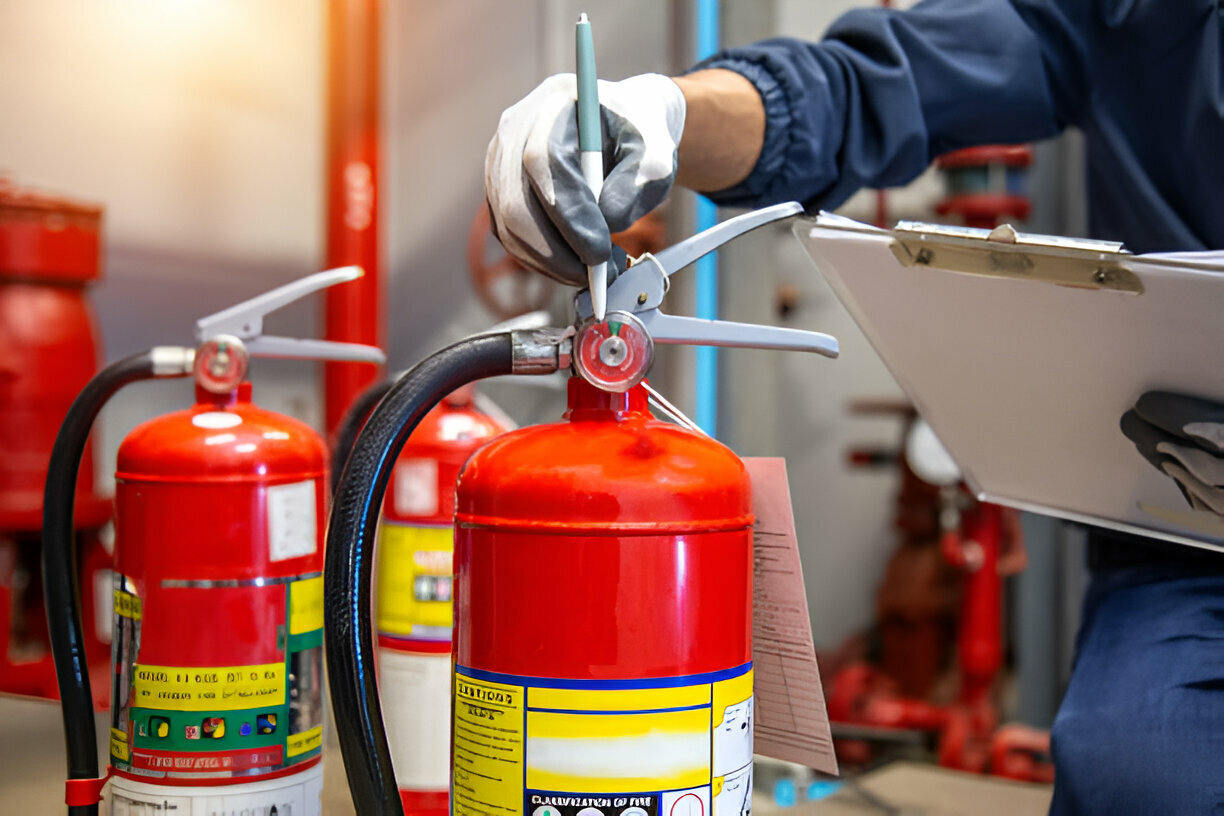
A professional Fire Risk Assessment Service London provides structured support for meeting fire safety responsibilities across commercial and residential premises. The service focuses on risk identification, legal compliance, and clear documentation. London buildings face higher inspection activity due to high occupancy density and building age. Professional assessment supports readiness for inspection and provides clear evidence of safety management. The assessment process includes a full site review of the buildings. Escape routes receive close attention to confirm a safe exit during an emergency. Fire detection and alarm systems receive review to confirm suitability and coverage. Emergency lighting provision receives an assessment to support safe movement during low visibility conditions. Findings appear in a written report that outlines risk, existing controls, and recommended actions. The action plan prioritizes steps based on risk level and practical application. Competent assessors play a vital role in compliance. Fire safety law requires suitable knowledge, experience, and decision-making. Professional assessment supports legal defensibility during enforcement activity. Insurers often rely on professional reports after incidents. Local authorities place higher confidence in assessments completed by qualified providers. Third-party accreditation further supports reliability and trust. Fire Risk Assessment London provides clarity, confidence, and practical guidance for ongoing fire safety management.
How Often Should a Fire Risk Assessment Be Reviewed?
Fire safety law requires regular review of fire risk assessments to maintain compliance and protect occupants. A Landlord fire risk assessment does not remain valid forever. Review must take place whenever conditions within a building change or when new risks appear. Ongoing review supports Fire Assessment Compliance and helps maintain inspection readiness in London. London Fire Brigade places a strong focus on assessment currency during inspections and enforcement activity. Several clear triggers require immediate review of a fire risk assessment London. Building alterations such as layout changes, new partitions, or refurbished areas can affect escape routes and fire spread. Change of use can introduce new hazards and different occupancy risks. An increase in occupancy raises evacuation demand and may exceed existing safety measures. Fire incidents or near misses highlight control gaps and demand quick reassessment. Regular scheduled review also remains important even without visible change. Many premises follow an annual review cycle to confirm that controls remain effective and documentation remains accurate. Clear review timelines support safer buildings and demonstrate active fire safety management. A simple review timeline often includes initial assessment, routine review, and review after change or incident. Consistent review protects life support compliance and reduces enforcement risk across London buildings.
Fire Risk Assessment for Different Property Types in London
Fire risk duties vary based on building use, layout, and occupancy. Fire Risk Assessment London must reflect the specific risks linked to each property type. London enforcement bodies expect assessments to match real use rather than generic templates. Tailored assessment supports stronger compliance and safer outcomes.
Office buildings require focus on escape routes, alarm coverage, and staff evacuation procedures. Open plan layouts, shared facilities, and electrical equipment increase risk exposure. Fire Risk Assessment for offices often links to staff training and clear signage. Dedicated guidance for offices supports consistent compliance. Retail units face public access, high footfall, and varied layouts. Stock storage, electrical displays, and extended opening hours raise fire risk. Fire Risk Assessment for retail settings addresses customer evacuation and staff response. Further guidance for retail units supports safer trading environments. Residential blocks require assessment of communal areas such as stairwells, corridors, and plant rooms. Landlords hold legal responsibility for these spaces. Fire Risk Assessment London for residential blocks supports resident safety and housing compliance. HMOs present a higher risk due to shared facilities and multiple occupants. Fire Risk Assessment London for HMOs requires stricter control measures and frequent review. Dedicated guidance addresses higher occupancy and varied resident needs. Mixed-use buildings combine several risk profiles within one structure. Fire Risk Assessment London for mixed-use sites requires coordinated planning across residential and commercial areas. Separate guidance supports effective management across uses.
Can You Do a Fire Risk Assessment Yourself?
A basic fire risk assessment may suit low-risk premises with simple layouts and limited occupancy. Small offices or single-use spaces with clear escape routes and minimal hazards sometimes fall into this category. Fire safety law allows the responsible person to assess if suitable knowledge and understanding exist. Records must still show clear hazard identification, risk evaluation, and control measures. Fire Safety Risk Assessment UK guidance expects accuracy, clarity, and regular review regardless of who completes the assessment. Professional assessment becomes strongly recommended for higher-risk settings. Larger buildings, complex layouts, shared residential areas, and public access spaces increase legal exposure. HMOs, residential blocks, and mixed-use buildings face stricter enforcement in London. Fire Risk Assessment London for such properties often requires technical judgement and current regulatory awareness. London Fire Brigade inspections frequently focus on assessment quality rather than presence alone. DIY assessments carry legal risk when errors occur. Incomplete hazard review, weak action plans, or outdated records may lead to enforcement action. Insurance providers may question self-completed assessments after incidents. Fire Risk Assessment Service London offers a professional review that supports legal defensibility and inspection confidence. Balanced judgement supports safety compliance and risk reduction across London premises.
Book a Fire Risk Assessment in London
Booking a Fire Risk Assessment London service marks an important step toward legal compliance and safer premises. Fire safety law places clear responsibility on property owners, employers, and managing agents to control fire risk and maintain proper records. Fire Risk Assessment London provides a structured review of hazards, escape routes, alarm systems, and safety procedures. Qualified assessors apply current UK guidance and understand local enforcement expectations across the capital. London buildings face higher inspection activity due to the density of mixed-use layouts and shared occupancy. Local expertise plays a critical role in assessment quality and reliability. Fire Risk Assessment Service London offers professional support built around compliance rather than general paperwork. Assessments follow recognized fire safety standards and reflect real building conditions. Written reports present clear findings and prioritized actions that support inspection readiness. A compliance-led approach reduces uncertainty during audits and demonstrates active management of fire safety duties. Insurance providers and enforcing authorities often place greater confidence in professionally completed assessments. Clear communication forms part of the process. Initial discussion confirms premises type, scope, and legal responsibility. Inspection arrangements follow agreed timelines and access requirements. Fire Risk Assessment London supports life safety, protects property, and reduces enforcement risk. Direct contact with a qualified assessment team allows further details on the service scope inspection process and next steps without confusion.
Frequently Asked Questions
Many buildings in London require a fire risk assessment under fire safety law. Workplaces, shared residential areas, rental properties, and buildings open to the public fall under this duty. The requirement applies wherever people may face risk during a fire and where a responsible person controls the premises.
Landlords must assess shared areas within their properties. Common spaces such as stairwells, corridors, entrance halls, and plant rooms require review. Private living spaces do not usually fall under this duty unless used for work or shared access.
Fire safety compliance requires identification of fire risk, review of risk to occupants, written records, and suitable safety controls. Ongoing review ensures measures remain effective and aligned with building use.
Assessment review becomes necessary after building alterations, a change of use, increased occupancy, or fire incidents. Routine review also supports ongoing safety and inspection readiness.
Professional support offers accurate assessment, clear documentation, and practical guidance. High inspection activity and complex building layouts in London increase the value of expert review and compliance confidence.
Conclusion
Fire safety compliance remains a legal duty across London for those responsible for buildings. Fire Risk Assessment London provides a clear framework to identify risk, control risk, and protect occupants. Regular review of accurate records and professional support reduces enforcement risk and supports inspection readiness. Fire Risk Assessment Compliance demonstrates commitment to safety and legal responsibility. Fire Risk Assessment London offers structured guidance suited to complex London premises. Clear assessment protects life, property, and operational stability. Direct contact with a qualified assessor provides clarity on the responsibilities, scope, and next steps while supporting long-term fire safety management.
About the Author: Atia Amin