


Fire Door Certificate
Start from £120
All inclusive (No hidden Cost)
Why Is a Fire Door Certificate Important?
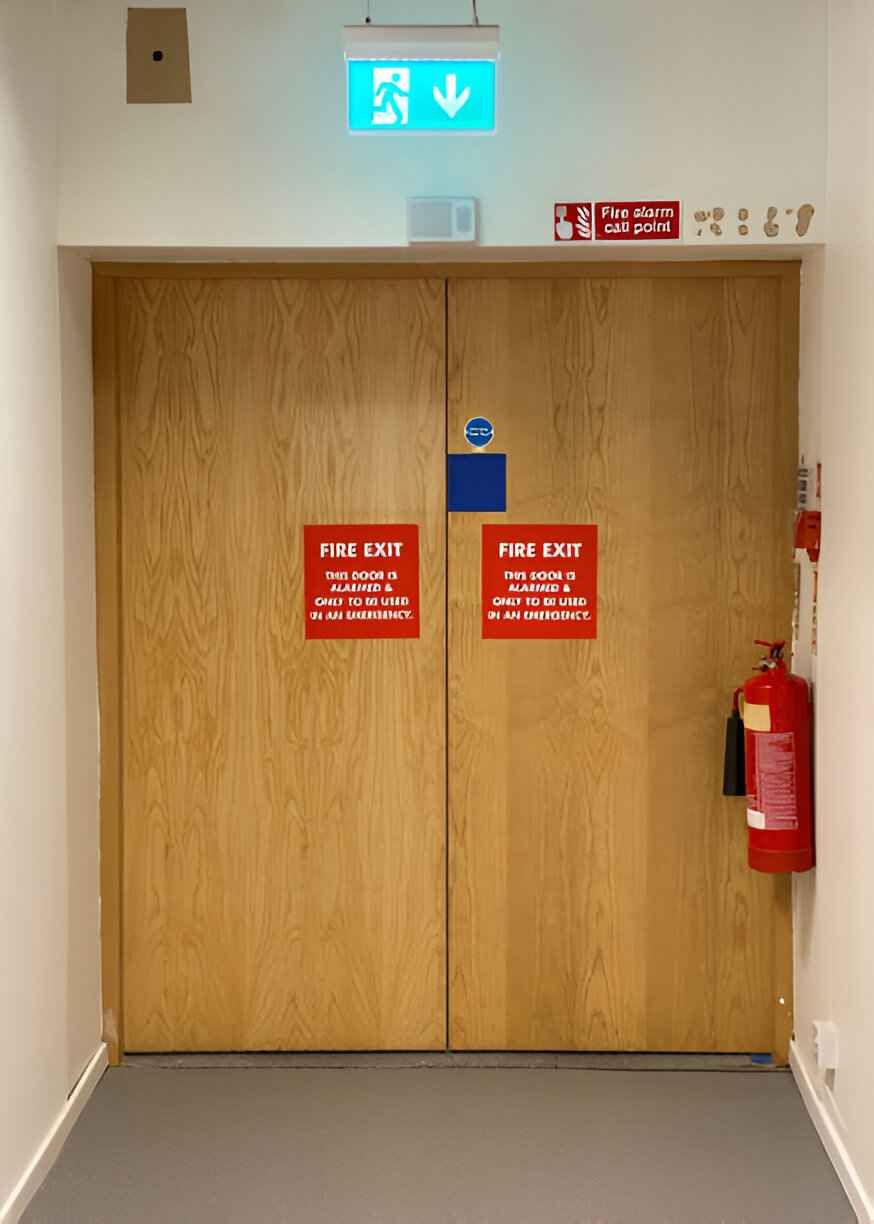
Fire Door Installation Certificate
As you consider the safety features of your building, it’s essential to understand the role of a Fire Door Installation Certificate. This document isn’t just a formality; it’s your assurance that the fire doors in your building meet stringent safety standards and will perform as expected in an emergency. Certified installers are critical in this process, as their expertise ensures that every door is fitted according to precise regulatory requirements. But how do you pick the right installer, and what happens if standards aren’t met? Let’s explore the implications and the potentially severe consequences of non-compliance.
Understanding Fire Door Certificates
Fire door certificates are essential to ensure that the installation meets legal and safety standards. As you delve into the complexities of these certificates, you’ll recognize that they’re not just formalities but pivotal elements that confirm the integrity and effectiveness of fire door installations.
To truly master this area, you need to understand the specific elements that the certificate covers, which include the door’s construction, the materials used, and the installation techniques. It’s critical that you’re familiar with how these factors align with the rigorous demands of fire safety regulations.
Additionally, mastering the details of what makes a fire door compliant will enable you to effectively oversee its installation and maintenance, ensuring maximum safety in your building’s fire prevention strategy.
Selecting a Qualified Installer
After identifying the need for a certified installer, your next step is to select one who not only meets the required accreditation standards but also has a proven track record of reliable and compliant installations.
You’ll want to scrutinize their credentials, ensuring they’re certified by recognized bodies such as the Door and Hardware Institute or the International Code Council.
It’s also crucial to verify their experience with fire doors specifically, as this isn’t just about general installation skills but about understanding the stringent safety requirements and precise fitting these doors demand.
Impact on Building Safety
Proper installation of fire doors significantly enhances the safety of a building by preventing the spread of fire and smoke between different sections.
When you ensure these barriers are correctly fitted and certified, you’re essentially compartmentalizing the building. This action limits both the immediate dangers of fire and the resulting damage, which can be critical during evacuation and emergency response.
Furthermore, the integrity of structural elements is maintained longer, providing more time for occupants to exit safely and for emergency services to manage the situation.
It’s not just about meeting legal requirements; it’s about actively protecting lives and property.
Renewal and Maintenance Obligations
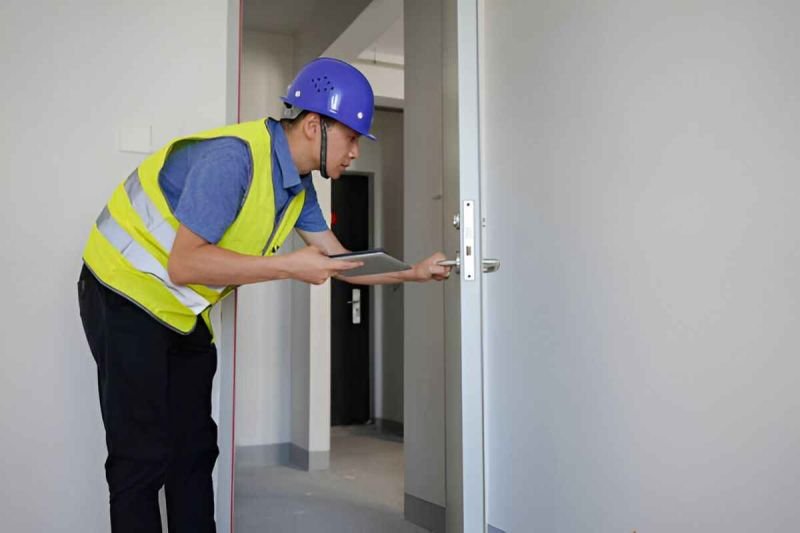
You must regularly renew and maintain your fire doors to ensure they continue to function as intended. This isn’t just about compliance; it’s about safeguarding lives.
Your maintenance regime should include frequent inspections to check for damage or wear and tear that could compromise the door’s integrity. Pay special attention to seals, hinges, and closure mechanisms.
Additionally, renewal isn’t merely a bureaucratic step; it’s a critical evaluation of whether the fire door still meets the rigorous standards set by safety regulations. If upgrades or replacements are necessary, don’t hesitate.
Remember, the effectiveness of a fire door drastically diminishes with neglect. Thus, staying proactive in maintenance and renewal isn’t just advisable; it’s imperative.
Keep detailed records to track your compliance and readiness.
Saving on Fire Door Costs
Fire door certification, while essential, can significantly impact your budget. To mitigate expenses, you’ll want to explore a few strategic approaches.
First, consider bulk certification. If you’re managing multiple properties or numerous doors, certifying them simultaneously can leverage volume discounts.
Additionally, stay proactive about regular maintenance. Addressing minor repairs promptly prevents larger, costlier issues that can arise from neglect, potentially extending the certification intervals.
Opt for multipurpose doors where feasible. Doors that meet several requirements (fire, security, insulation) can reduce the need for multiple specialized units.
Lastly, invest in high-quality doors from reputable manufacturers. They often offer longer life spans and more robust warranties, ultimately lowering replacement and repair costs over time.
Legal Requirements for Fire Door Installation and Maintenance
Following the rigorous testing and compliance checks that certify the safety and efficacy of fire doors, it is imperative to consider the legal framework governing their installation and ongoing maintenance.
National and local building codes set forth specific standards to ensure the effective performance of fire doors in preventing the spread of fire and smoke within a building. These regulations are crucial for maintaining the integrity of fire safety measures and ensuring the protection of occupants.
Key aspects of these legal requirements include:
Fire Door Certification for Commercial Properties
- Fire door certification in commercial properties is a critical component of a building’s comprehensive fire safety strategy. This process ensures that each fire door assembly meets rigorous standards for performance under fire conditions, primarily governed by national safety codes and standards, such as NFPA 80 and the International Building Code (IBC).
- These certifications are essential not only for compliance with regulations but also for ensuring the safety of occupants and protection of property in the event of a fire.
- Certification involves a series of evaluations conducted by accredited third-party bodies that assess the fire door assemblies for their ability to resist the passage of smoke and flames for a designated period. This typically includes testing door slabs, frames, hardware components, and sealing systems to confirm their integrity and functionality at elevated temperatures.
- The certification process is meticulous, requiring detailed documentation of product traceability, manufacturing consistency, and adherence to approved design specifications.
- For commercial buildings, where the scale and complexity of fire safety systems are significant, ensuring that all fire doors are properly certified and installed according to the specified fire rating is paramount.
- This not only aligns with legal and safety obligations but also forms a vital part of the property’s fire risk management and emergency preparedness plans.
Fire Door Maintenance and Recertification
Regular maintenance and timely recertification of fire doors are imperative measures to ensure continuous compliance with fire safety regulations and optimal performance in emergency situations.
Maintenance is crucial not only to uphold the integrity of the fire door but also to ensure that they function as intended during critical times. Recertification, conducted by accredited professionals, verifies that fire doors still meet the necessary safety standards after a period of use.
Key aspects of maintaining and recertifying fire doors include:
Inspection Frequency
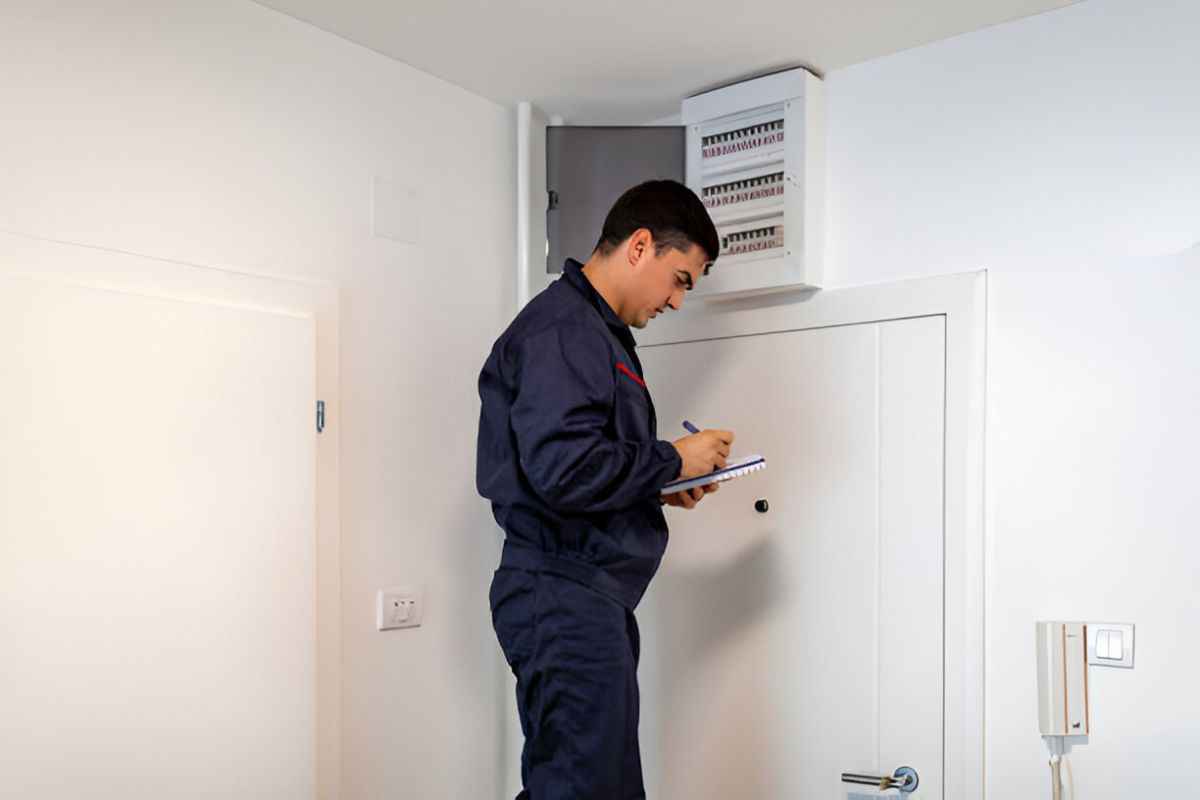
Regularly scheduled inspections should be conducted at least annually to assess the physical condition and operational functionality of fire doors.
Component Checks
Critical components such as door closers, hinges, seals, and locking mechanisms must be examined for wear and damage.
Containment Measures
Implement rapid containment strategies to limit the spread of asbestos fibers. This may involve sealing off affected areas and using air filtration devices to capture airborne fibers.
Documentation and Reporting
Maintaining a detailed log of inspections, maintenance activities, and any rectifications carried out is essential for compliance and for future reference during recertification.
This analytical approach ensures that potential failures are identified and remedied promptly, thereby upholding the safety barrier that fire doors provide.
The recertification process not only confirms compliance with evolving safety standards but also extends the service life of the fire door systems, ensuring they remain reliable in their crucial role.
Role of Fire Doors Building Safety
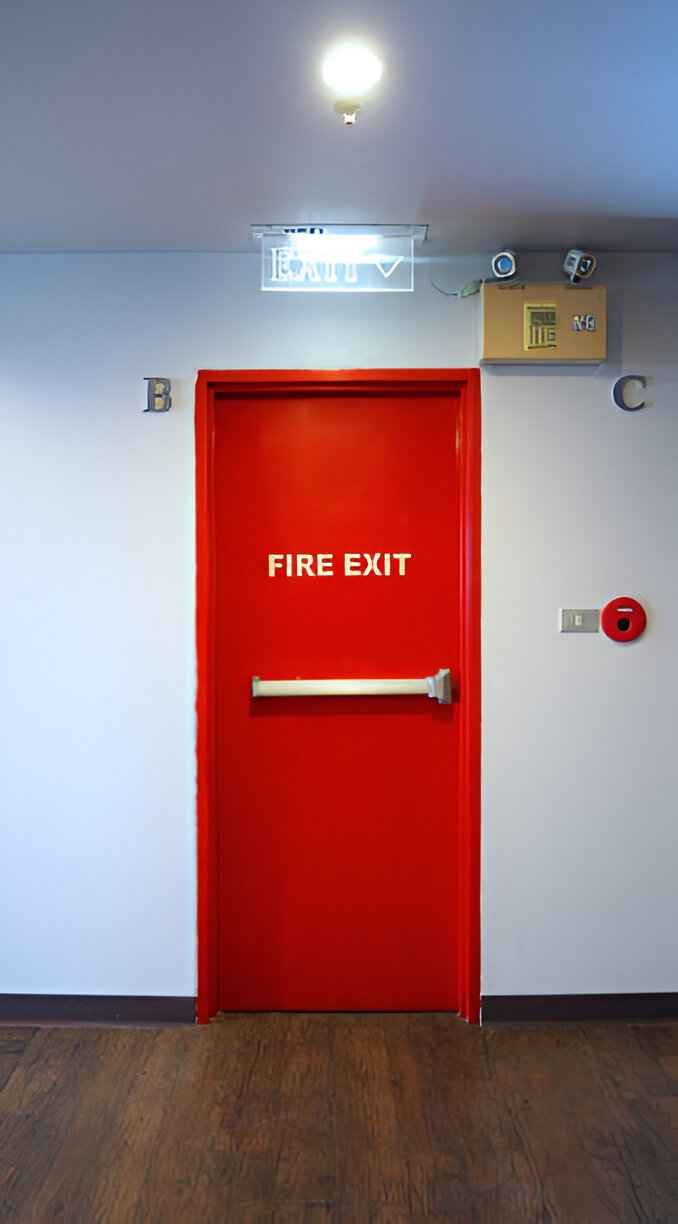
The role of fire doors in enhancing building safety cannot be overstated. As integral components of a building’s passive fire protection system, they are meticulously engineered to resist the spread of fire and smoke, thereby affording occupants more time to evacuate safely. Equipped with specialized materials and features like intumescent strips and automatic closing mechanisms, fire doors serve not only as physical barriers but also as critical elements in preserving the structural integrity of buildings during a fire. However, the effectiveness of fire doors hinges significantly on proper installation, regular maintenance, and compliance with safety regulations—a topic that invites further exploration into its complexities and nuances.