


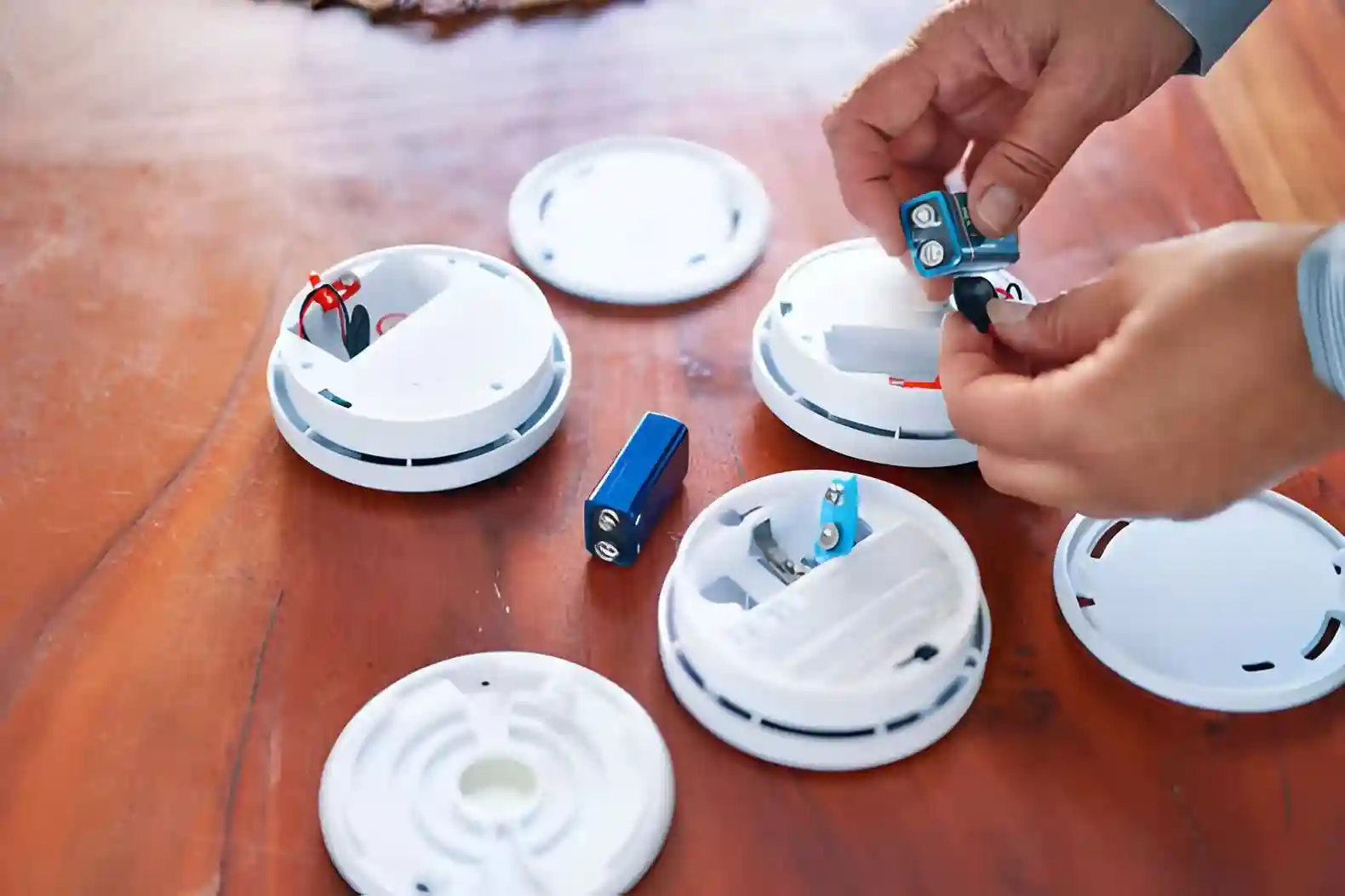
A fire alarm inspection helps keep buildings and people safe. Regular checks make sure the alarms work well. Experts look at wires, batteries, and sensors. These checks lower the chance of problems during a fire. Experts can find hidden issues that people miss. Scheduled inspections follow safety laws. Papers from the inspection prove you met the rules. They also help plan better alarms later. Skipping checks can cause danger and legal trouble. After the check, experts give tips to make the system stronger. Trained workers use careful steps to test everything. They also test if the alarm sound reaches every room. Keeping records helps everyone stay safe over time. Doing fire alarm inspections regularly is a key way to keep buildings safe.
Key Takeaways
- Timely checks help stop expensive emergencies
- Good records show you are responsible and follow safety rules
- Scheduled checks stop equipment from breaking
- Risk checks find areas that need quick fixes
- Maintenance tips make the system more reliable
- Backup systems keep people safe if power goes out
- Clear steps help everyone get ready for emergencies
- Expert checks guide better safety plans
- Regular safety habits reduce legal problems
- Following expert help protects your property better
Why Regular Fire Alarm Inspections Are Crucial
Regular fire alarm inspections make sure all alarms and alerts work properly. Experts check panels, wires, and sensors for any problems. They test sirens and lights to make sure every part of the building can hear and see the alarm. They also check backup power and batteries. The inspection gives tips for fixes and improvements. The report proves you follow safety laws. Regular checks lower the risk of alarm failure in a fire. They also help decide when to upgrade old parts. Following expert advice makes everyone feel safer and more prepared.
How a Fire Safety Report Supports Safety Planning
A fire safety report shows risks and helps reduce dangers. It points out possible fire causes and unsafe habits. The report gives ideas for better equipment, escape paths, and staff training. It helps update safety rules and emergency plans. The report proves you follow the law during checks or audits. It looks at alarms, their placement, and how to leave the building. The report helps people see weak spots and what needs fixing. It is useful for insurance and fire alarm inspection safety rules. Good reports support long-term safety plans. Following the tips makes protection stronger. Reports also track improvements over time. Experts make sure reports are clear and useful for each building.
Residential Fire Risk Assessment: Protecting Homes and Residents
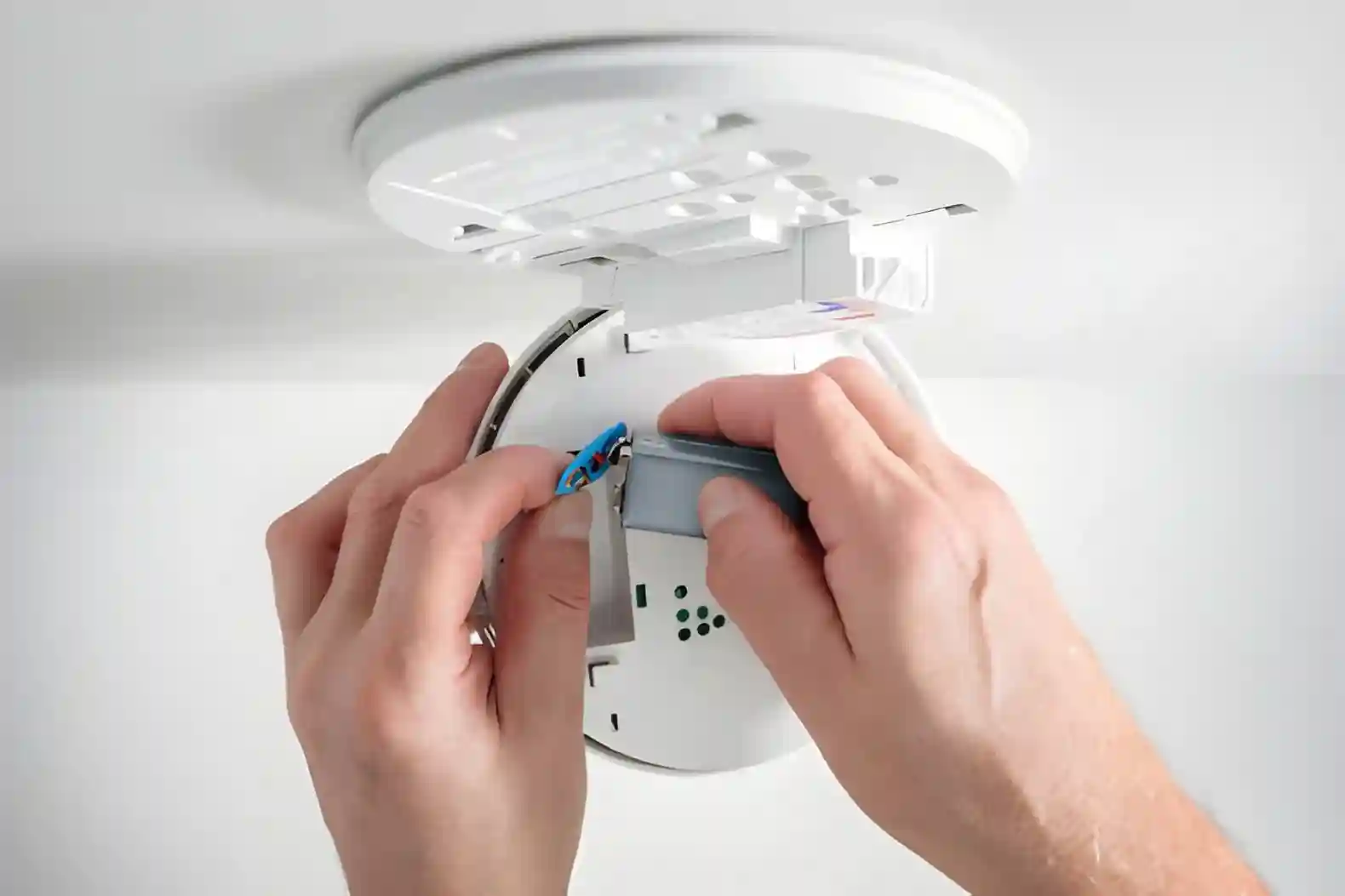
A residential fire risk assessment makes sure houses are safe and sufficient. Experts take a look at alarms, escape routes, and matters that could begin fires. They have a look at kitchens, heaters, and electrical elements. People get pointers on how to decrease risks in everyday existence. The file fire alarm inspection gives smooth steps to get equipped for emergencies. It specializes in smoke alarms, fire extinguishers, and exits. The assessment shows the home follows safety rules. It helps find weak spots in old or new houses. Regular checks keep homes safe for everyone living there. Experts give simple advice for everyday habits. Records help landlords and officials. Following the tips reduces injury, damage, and legal trouble.
Ensuring Safety Through Regular Alarm Inspection
Regular fire alarm inspection is very important for keeping any building safe. Inspections find problems in wires, sensors, and panels. Testing makes sure the alarm reaches everyone. Records from inspections prove you follow the rules. Experts check backup power and clear any blockages. Tips may include changing batteries or moving sensors. Following the inspection advice makes the system more reliable. Regular checks build a strong safety plan. They also find small problems before they get big. Keeping a steady routine protects lives and property.
Steps Included During Fire Alarm Inspection
Fire alarm inspection checks all important parts of the system. Workers test panels for errors and check batteries. They test smoke and heat sensors. Sirens and lights are checked for sound and coverage. Wires are looked at for damage. Emergency lights and backup power are tested. They keep clear records of every test. Tips include replacing parts or changing how things are done. Inspections make sure you follow fire safety laws. Reports show what needs quick attention. Workers give advice on when to do maintenance. Regular inspections lower the chance of failure in a fire.
Essential Tools Used During a Fire Alarm Check
A successful fire alarm inspection is based on the right use of important equipment to make sure accuracy and safety. Smoke and warmth simulators test the responsiveness of sensors under managed situations. Circuit testers verify wiring integrity, while battery analyzers verify backup energy performance. Sound level meters ensure sirens and alarms are audible throughout all areas. Control panel diagnostic equipment hits faults and error codes effectively. Documentation devices file readings and inspection consequences for destination reference. Regular use of that gear improves device reliability, helps compliance with protection guidelines, and guarantees occupants stay blanketed at some point of emergencies.
Key Areas Reviewed During Fire Safety Risk Assessment
A fire safety risk assessment looks at things which could begin a fire and how to manage dangers. Inspectors take a look at electrical components and warmers. They have a look at how flammable items are stored and the way the area is cleaned. Escape routes and exits get a near test. Fire-fighting structures, fire alarm inspection, and lighting fixtures are tested. They consider the number of human beings using the building and its format. They review maintenance records and safety rules. Tips may include new equipment or training. The report helps keep making safety better. Regular checks build trust in the protection plan.
How Fire Alarm Reviews Improve Property Safety
A fire alarm inspection makes overall safety stronger by making sure alarms work when needed. Experts test alarms, panels, and sensors. The inspection helps find hidden dangers. Results often feed into a bigger fire safety report and risk assessment. For homes, it supports residential fire risk checks. Tips may include moving sensors or upgrading panels. Records prove you are managing safety well. Regular inspections and checks make everyone more ready for emergencies and reduce dangers.
Fire Alarm Inspection Checklist for Property Owners
A good fire alarm inspection makes sure all alarms work, and the property stays safe. Owners should check that panels have no error lights. Smoke detectors, heat sensors, and call points must be tested. Sirens and lights should reach every area. Backup power and batteries need checking. Records must be updated after each inspection. Checks also look at wires and connections. Using a checklist helps catch risks early. Tips from the inspection guide upgrades and fixes. Regular checks help follow safety laws and lower legal risks.
How Fire Alarm Checks Help Avoid Legal Issues
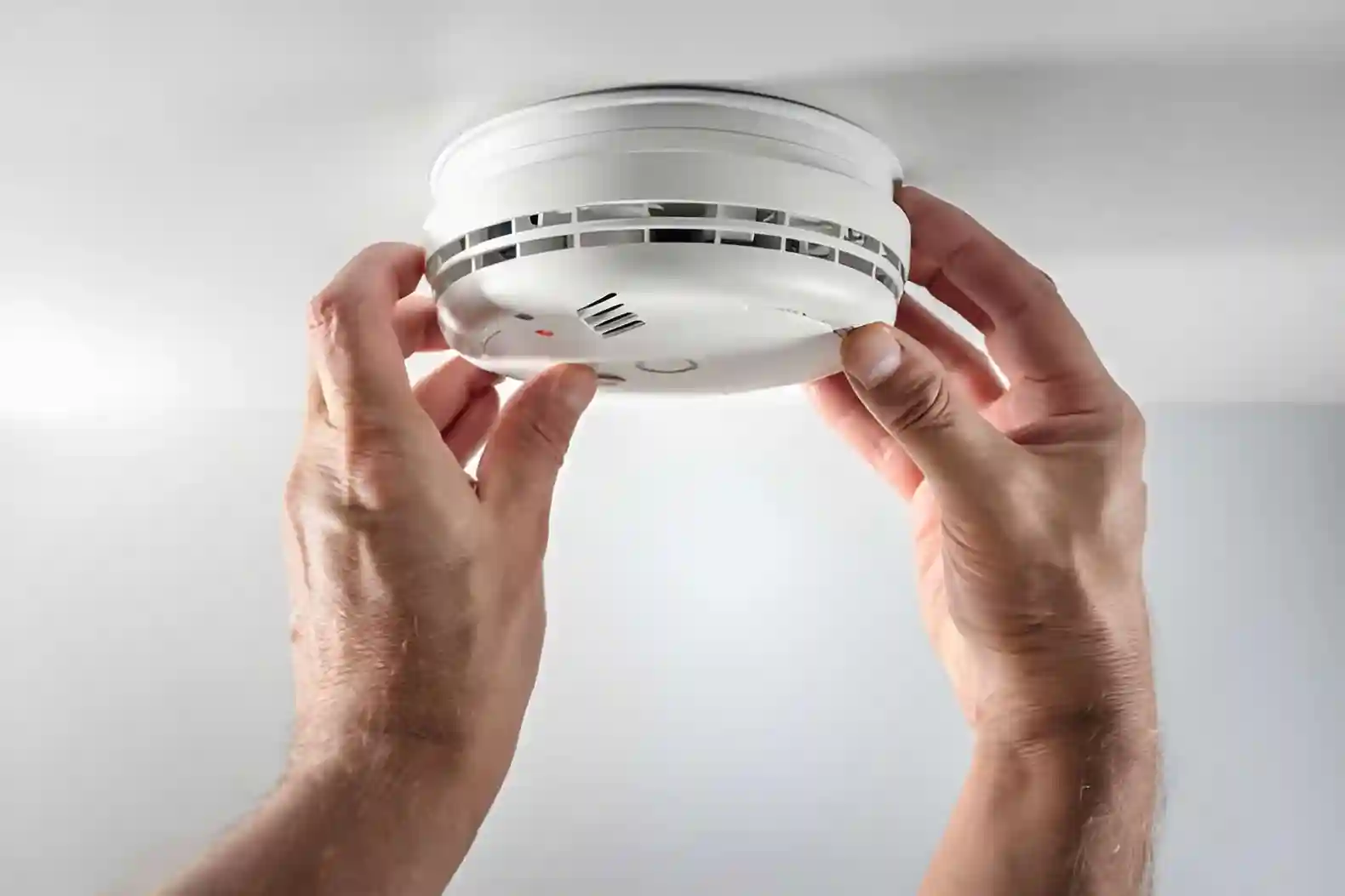
Regular fire alarm inspection protects against legal problems by showing you follow safety rules. Inspections make sure alarms, panels, and alerts work properly. Records prove you kept up with legal standards. Tips help fix problems before they break the law. Experts check backup systems and wiring. Following inspection advice shows you are careful about safety. Reports help during official reviews. Keeping a schedule shows you care about protecting people. Inspections find old equipment so you can fix it in time. Good records and expert help lower the chance of fines or court cases.
Frequently Asked Questions
Safety inspections find dangers, stop accidents, make sure systems work, and protect people well.
Safety checks should happen regularly based on rules or expert advice.
Property managers, owners, or trained people must keep equipment working properly.
Ignoring safety rules raises the chance of accidents, damage, and legal or insurance problems.
Good records show inspections, fixes, and compliance. This creates responsibility and ongoing safety care.
Conclusion
Regular fire alarm inspection and full safety checks protect buildings and people. Using inspections together with fire safety reports and risk assessments helps find and fix dangers. Adding residential fire risk assessment makes homes safer. Scheduled checks lower system failures and legal trouble. Expert help gives clear tips and records for ongoing safety. Keeping steady safety habits builds confidence, meets rules, and improves emergency readiness for all kinds of properties.
About the Author: Atia Amin

Related Posts
Recent Posts
- Landlord PAT Testing: Why Electrical Appliance Safety Matters
- Fire Alarm Inspection: Maintain Safety with Expert Guidance
- EPC Certificate: Key Requirements for Compliance and Energy Efficiency
- Electrical Diagnostic Testing: Ensuring Accurate Fault Detection and Safety
- Achieving Full Fire Safety Compliance in Properties

Get Social