


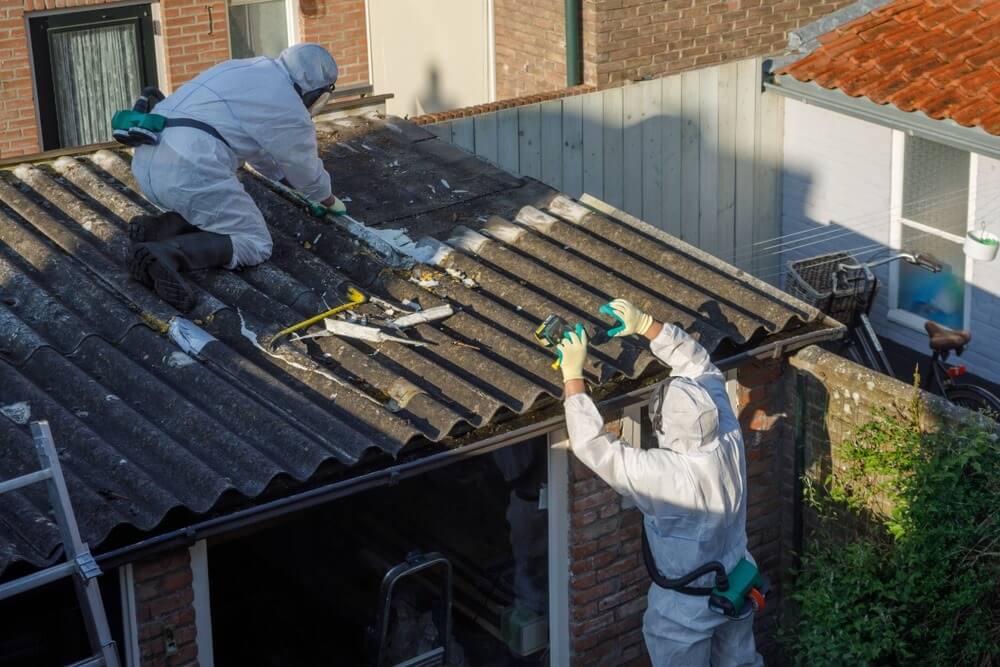
Asbestos is a hidden danger in many old buildings built a long time ago. Being near it can cause very serious breathing problems and long-term illness that gets worse over time. Good asbestos risk management finds dangers, watches them carefully, and controls them before anyone gets hurt or becomes sick. Having a clear and structured plan lowers risks for people living or working in the building and also follow the rules set by the law. Using modern asbestos safety tools find risks early before they become a big problem. Regular use of asbestos keeps a close eye on areas that may be affected by harmful fibers. Hiring professional asbestos compliance services ensures all steps meet current legal standards. Buildings with asbestos need constant attention and care every day.
Key Takeaways
- Structured management lowers exposure to dangers
- Preventive checks improve safety control
- Advanced tools find hidden risks
- Older buildings need special attention
- Maintenance plans should include safety steps
- Quick emergency response stops contamination spread
- Health risks grow without early action
- Compliance services help follow the law
- Data-driven watching improves decisions
- Future trends focus on using technology
What Is Asbestos Risk Management and Why Does It Matter
Asbestos risk management means finding possible dangers in a building and taking the right steps to control exposure to harmful fibers. It covers inspection of building materials, regular upkeep, and safe removal when needed. Controlling asbestos risks stops very serious diseases like lung cancer and other breathing illnesses from developing over time. A clear understanding of the risks makes safety steps stronger and more effective for everyone involved. Adding asbestos safety management to normal building practices improves overall protection for occupants and workers. Checking building materials on a regular basis makes sure asbestos containing materials are always handled properly and safely. Using Asbestos risk management find fiber release at a very early stage. Professional asbestos monitoring organizations follow all legal rules without confusion or mistakes.

Cost Implications of Asbestos Risk Management
Managing asbestos risk management in a building needs careful financial planning that covers inspections, regular monitoring, and safe removal of materials. The initial cost of setting up a management plan may seem high at first, but preventive steps greatly lower long-term risks and expenses. Proactive strategies stop unexpected problems and emergencies that could badly disrupt daily operations and cause big financial losses. Strong asbestos safety management significantly lowers the risk of receiving fines and facing serious legal penalties from authorities. Investing in asbestos supports early detection and allows quick action before problems grow bigger. Working closely with professional asbestos makes sure that all money is spent wisely and in the right areas. Long-term planning greatly improves how resources are used and reduces unexpected financial burdens for building owners.
| Service | Details | Price |
|---|---|---|
| Planning & Setup | Management plan setup | £500 |
| Inspections | Regular risk checks | £200 |
| Monitoring | Ongoing hazard monitoring | £150 |
| Removal & Remediation | Safe asbestos removal | £1,000 |
How Regular Inspections Prevent Asbestos Risks
Regular and thorough tests play a key role in decreasing the general risk of asbestos exposure in buildings. Finding areas where dangerous fibers may be launched allows employees to take brief and powerful action before everyone gets hurt. Damage to asbestos-containing materials can be recognized and contained before it becomes truly risky to human beings. Adding asbestos protection control plans to habitual building checks supports constant and regular oversight of all materials. Using asbestos-looking answers gives measurable and dependable facts that allow for appropriate checking and evaluating dangers. Professional asbestos compliance services ensure that every check is done well and complies with criminal requirements at all times. Preventive maintenance lowers interruptions and keeps the building environment safe and healthy for all occupants and employees each day.
Asbestos Risk Management in Older Buildings
Buildings that were built before the 1990s very commonly contain asbestos materials hidden inside their structure. Important building parts like insulation, ceiling tiles, and pipe coverings may release dangerous fibers if they are disturbed or damaged. Using tailored asbestos risk management strategies makes sure that these high-risk areas are carefully watched and properly managed at all times. Applying asbestos risk management techniques workers focus their attention on the most dangerous and high-risk zones first. Asbestos track the condition of materials closely over a long period of time. Professional Asbestos monitoring solutions guide building owners through removal strategies and them follow all relevant rules and regulations. Focused and consistent attention on older buildings protects the people inside and keeps normal operations running smoothly without major disruptions every day.
Integrating Asbestos Safety into Building Maintenance Plans
Regular maintenance schedules give building managers very good opportunities to manage asbestos risks in an organized and effective way. Aligning preventive upkeep activities with asbestos protection steps considerably lowers the chance of accidental exposure to harmful fibers. All assessments, upkeep, and cleaning activities must usually consist of proper danger discount strategies to keep humans safe. Structured asbestos safety management ensures that every motion and intervention follows the right safety requirements without exception. Adding asbestos to the preservation method allows real-time checking of risks as they increase. Professional Asbestos monitoring solutions treasured advice on a way to add chance control steps into the regular day-to-day building operations. Consistent preservation ensures long-term control of asbestos dangers and significantly lowers the risk of disruption to ordinary construction activities and operations.
Emergency Procedures for Accidental Asbestos Disturbance
Accidental release of asbestos fibers in a building needs very quick and well-organized action from all responsible parties. Immediately closing off all affected areas stops further contamination from spreading to other parts of the building. Only properly trained workers should handle the containment process and carry out all clean-up procedures safely and correctly. All emergency response plans must closely follow established asbestos risk management practices to make sure everyone stays protected. Using asbestos immediately after an incident ensures that air quality quickly returns to completely safe levels. Professional asbestos compliance provides very clear and detailed response steps for workers to follow during emergencies. Taking quick action significantly lowers health risks for building occupants and reduces possible legal liability. Recording all actions taken during the emergency supports rule-following and improve future risk reduction plans.
Technological Tools for Effective Asbestos Monitoring
Advanced technology has greatly improved the efficiency and accuracy of asbestos risk management in modern buildings today. Air sampling devices, fiber detection sensors, and real-time monitoring systems all provide very accurate and reliable danger assessments for building managers. All the data collected by these tools supports proactive action and prevent dangerous exposure before it happens. Combining asbestos risk management practices with the latest technology tools greatly strengthens overall control over possible dangers. Asbestos allows constant and uninterrupted surveillance of all high-risk areas within the building at all times. Professional asbestos compliance gives expert advice on selecting the right tools and using them in the most effective way. Technology reduces the need for constant manual oversight and provides reliable records that are ready for regulatory inspections whenever required by authorities.
Insurance Considerations Related to Asbestos Risks
Insurance plans for buildings need to constantly carefully account for all asbestos-related dangers that may have an effect on the assets and their occupants. A thorough chance assessment enables the decision of the proper coverage needs and identifies any necessary coverage changes or modifications. Inspections and actions taken is very important for supporting claims management with insurance providers. Adding asbestos risk management practices to all record-keeping activities insurers clearly recognize the preventive efforts being made. Asbestos provides verifiable and accurate data that can be used to support coverage changes and policy adjustments. Professional asbestos compliance services guide corporations through compliance reporting and support effective discussions with insurance policy companies. Keeping thorough and up-to-date facts greatly strengthens organizational credibility and extensively reduces the threat of disputes bubbling up during the claim’s procedure.
Future Trends in Asbestos Risk Management Practices
Emerging trends in asbestos management are increasingly focusing on proactive danger identification and the smart use of new technology. Digital platforms are now allowing continuous watching of building conditions and enabling data-driven decision-making for building managers. Safety rules and regulations are constantly evolving to place a much stronger focus on prevention rather than reactive measures after incidents occur. Combining asbestos risk management practices with innovative new approaches greatly strengthens overall danger control across all types of buildings. Asbestos is now beginning to use predictive analytics to provide much more accurate and forward-looking risk assessments. Professional asbestos compliance continuously stays updated at all times. Using forward-looking strategies ensures that asbestos risks are managed efficiently, sustainably, and in the safest possible way for everyone.
Frequently Asked Questions
Regular checks and watching find dangerous materials while professional guidance makes sure proper control steps stay in place.
Ongoing monitoring gives accurate data on fiber levels and helps stop dangerous exposure.
Compliance services guide procedures, maintain rule-following, and support safe handling and recording of materials.
Older buildings have hidden asbestos materials that need careful inspection and continuous risk management.
Advanced detection devices and real-time watching systems improve danger control and decision-making.
Conclusion
Good asbestos risk management plays a very important role in protecting all people inside buildings from serious health dangers. Regular checks and continuous monitoring keep building environments safe and significantly lower all hidden risks over time. Adding asbestos safety management practices to maintenance plans ensures strong and lasting long-term control of all hazards. Advanced asbestos provides reliable and accurate data that supports well-informed and effective actions by building managers. Professional asbestos compliance services guide organizations clearly through constantly changing rules and regulations. Proactive strategies successfully stop emergencies earlier than they happen, greatly enhance general protection, and defend critical investments. Consistent interest in elements and using modern gear collectively improves the overall risk management system appreciably. Focusing on these kinds of important steps ensures more secure buildings and full ongoing compliance with all applicable rules.
About the Author: Atia Amin

Related Posts


Recent Posts
- Effective Asbestos Risk Management Strategies for Buildings
- Certified Fire Door Inspection: Keeping Maximum Safety and Following Rules
- Commercial EPC Requirements: Compliance and Efficiency
- Fire Safety Certificate Cost for Flats and Shared Buildings
- Fire Extinguisher Regulations and Inspection Requirements



Get Social