

Homeowners insurance providers carefully review a property’s electrical condition before approving or renewing coverage. An electrical diagnostic inspection helps identify wiring faults, unstable circuits, and safety concerns that could increase the likelihood of future claims. Insurers also examine compliance records, maintenance history, and previous electrical issues when assessing overall property safety.
Older electrical installations are more likely to cause faults, power interruptions, and fire hazards. Insurers also examine maintenance history and previous repair records before making underwriting decisions. Clear compliance documentation can improve approval chances and support better policy terms, while missing records may trigger additional scrutiny. Properties with unstable power supply or recurring electrical problems are more likely to face extended reviews before coverage is confirmed. At Landlord Certificate London, our NICEIC-certified engineers provide professional electrical diagnostic inspections that meet current UK electrical safety regulations.
Key Takeaways
- Insurance approval often depends on electrical safety checks
- Wiring condition directly affects risk assessment decisions
- Fuse systems must operate safely and consistently
- Distribution boards must handle electrical loads safely and efficiently
- Older electrical systems carry increased safety risks
- Maintenance records improve insurance approval chances
- Clear compliance documents support better policy outcomes
- Missing inspection records can trigger insurer concerns
- Unstable power supply may indicate hidden electrical faults
- Electrical safety remains a key factor in underwriting assessments
Common Reasons Insurance Companies Require an Electrical Inspection
Insurance companies prioritise property safety when evaluating coverage applications. An electrical diagnostic inspection helps identify faults, outdated wiring, overloaded circuits, and weak electrical components that may increase insurance risk.
Risk Assessment for Older Electrical Installations
Older properties often contain ageing wiring systems, outdated fuse boards, or insufficient grounding. These systems carry a higher likelihood of electrical failure, which increases the insurer’s exposure to future claims.
Inspection of Wiring, Fuse Boards, and Distribution Units
Insurance assessors inspect wiring conditions, fuse boards, and distribution units to ensure the electrical installation operates safely under normal demand. Signs of imbalance, overheating, or inconsistent power flow may result in additional underwriting requirements.
Importance of Electrical Maintenance Records
Maintenance history plays a major role in insurance approval decisions. Clear records showing regular inspections and completed repairs help insurers confirm long-term system reliability and safety compliance.
How Electrical Fault History Impacts Insurance Approval
Previous electrical issues, repeated failures, or unresolved safety concerns can affect policy terms or delay approval. Insurance providers closely examine fault history to assess future claim risks.
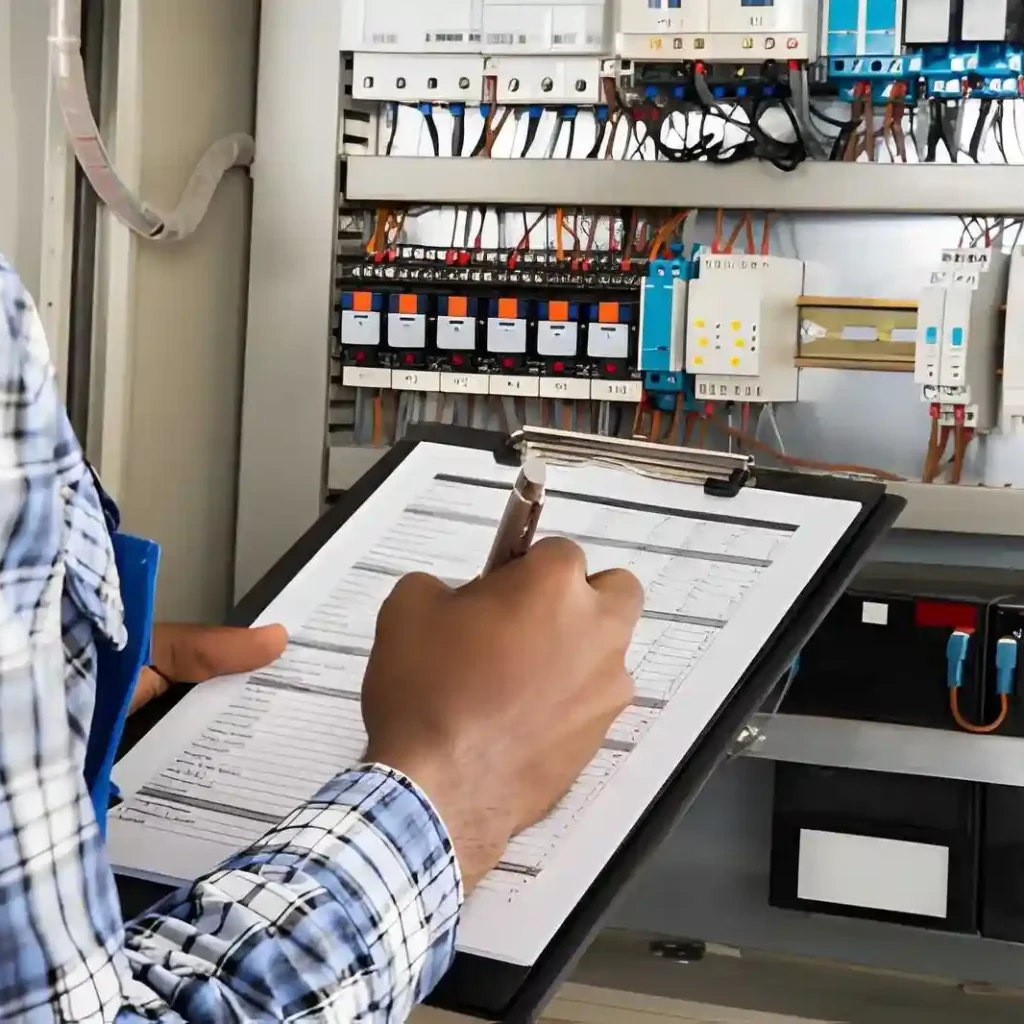
Signs Your Home’s Electrical System May Raise Red Flags for Insurers
Most power systems show warning signs before serious faults develop. Insurance assessors review these indicators closely because they can reveal hidden safety hazards and underlying wiring problems.
Flickering Lights and Inconsistent Power Flow
Flickering lights and unstable power supply often suggest wiring issues, overloaded circuits, or distribution problems that may require immediate attention.
Burn Marks Near Sockets and Electrical Components
Burn marks around outlets, switches, or electrical panels can indicate overheating, poor wiring connections, or dangerous system stress.
Repeated Fuse Trips and Circuit Overloads
Frequent fuse trips may point to deeper electrical imbalance, overloaded circuits, or outdated consumer units that no longer support the property’s electrical demand.
Moisture Exposure Around Electrical Installations
Moisture exposure around wiring or electrical components can lead to corrosion, short circuits, and serious safety hazards that may concern insurance providers.
Poor Grounding and Outdated Electrical Panels
Improper grounding systems and ageing electrical panels often fail modern safety standards, increasing the likelihood of insurer scrutiny during policy reviews.
Early detection of these warning signs improves electrical safety, reduces long-term risk, and supports smoother insurance renewals.
Can Your Insurance Be Cancelled Without a Diagnostic Inspection?
Insurance coverage often depends on valid proof that the property’s electrical system meets current safety standards. Missing an electrical diagnostic inspection can create significant concerns during policy reviews and renewals.
Without valid inspection reports, insurers may classify the property as a higher-risk investment, which can result in stricter terms, delayed renewals, limited coverage, or possible policy cancellation. Regular electrical inspections help confirm system safety, reduce uncertainty during claims, and maintain compliance with insurer requirements.
| Situation | Risk Level | Insurance Outcome |
|---|---|---|
| Inspection report available | Low | Smooth approval |
| Missing records | Medium | Extra review needed |
| Faulty system found | High | Policy restrictions |
| Regular checks done | Low | Stable cover |
| Unsafe wiring present | Very High | Possible claim issues |
What Insurers Look for in an Electrical Inspection Report
Insurance assessors carefully review technical inspection reports before making final coverage decisions. Diagnostic reports provide detailed information about wiring quality, circuit safety, and the overall condition of the property’s power system.
Wiring Condition and Circuit Stability
Insurers examine wiring quality and circuit stability to determine whether the system can safely support electrical loads without overheating or failing.
Load Distribution and System Performance
Balanced load distribution across circuits helps prevent overloads and improves overall electrical reliability, making it a key factor in insurance evaluations.
Grounding, Insulation, and Safety Compliance
Evidence of proper grounding, safe insulation, and compliance with electrical safety standards supports positive underwriting outcomes.
Identification of Outdated or Overloaded Components
Outdated fuse boards, overloaded circuits, and deteriorating electrical components often raise concerns about increased claim risks.
Importance of Maintenance and Fault Records
Clear maintenance records and documented fault repairs help insurers understand the property’s electrical history and future risk exposure.
Detailed inspection documentation improves approval chances and supports long-term insurance stability.
Who Pays for Repairs After a Failed Inspection?
Responsibility for electrical repairs depends on insurance policies, ownership agreements, and property type. Diagnostic testing and electrical repair assessments identify faults that must be corrected before insurance approval can proceed.
Repair Responsibility for Homeowners
Private homeowners are generally responsible for repairing electrical faults identified during inspections to maintain compliance and insurance eligibility.
Landlord Responsibilities in Rental Properties
In rental properties, landlords are usually responsible for ensuring electrical systems meet required safety standards and remain compliant with legal obligations.
Insurance Requirements After Major Fault Discovery
Serious electrical faults often require immediate repairs before insurers will approve, renew, or reinstate coverage.
Why Proof of Repairs Matters
Insurance providers may request updated inspection certificates or repair documentation before confirming continued policy protection.
Clear agreements and timely repairs help reduce disputes and maintain uninterrupted insurance coverage.
What to Expect During an Electrical Diagnostic Inspection
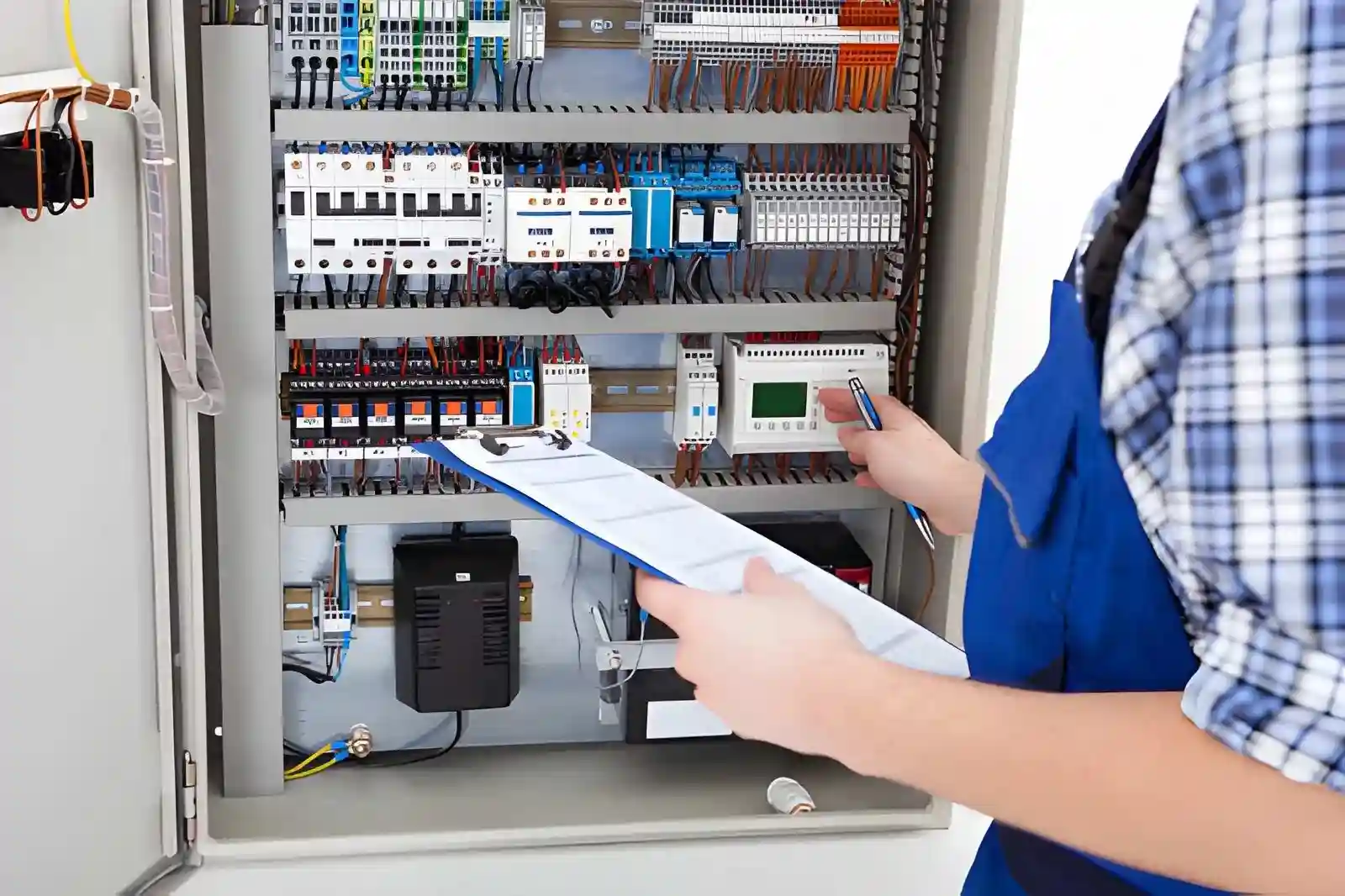
An electrical diagnostic inspection evaluates the condition, safety, and performance of a property’s electrical system. The process helps identify faults, outdated components, and compliance issues that may affect insurance approval.
Inspection of Wiring and Electrical Panels
Electricians inspect wiring systems, distribution boards, consumer units, and electrical panels for signs of wear, overheating, or unsafe installation.
Testing Circuits and Load Capacity
Electrical circuits undergo testing to confirm stable power flow, safe load distribution, and proper operation throughout the property.
Grounding and Safety Compliance Checks
Grounding systems, insulation quality, and earthing arrangements are checked to ensure compliance with electrical safety regulations.
Identification of Faults and Recommended Repairs
Inspectors document faults, safety risks, and required upgrades needed to bring the system in line with current standards.
Receiving the Final Inspection Report
After testing is complete, property owners receive a detailed report outlining findings, repair recommendations, and compliance status.
Cost Breakdown of an Electrical Diagnostic Inspection
Electrical diagnostic inspection costs vary depending on property size, system complexity, and the condition of existing electrical installations.
Factors That Influence Inspection Costs
Older properties, larger buildings, and systems with outdated wiring often require more extensive testing and detailed inspections.
Why Larger Properties Cost More to Inspect
Large homes and commercial units involve more circuits, distribution boards, and electrical components, increasing inspection time and complexity.
The Value of Preventive Electrical Testing
Regular inspections help identify faults early, reduce long-term repair costs, and maintain safe electrical performance across the property.
| Property Type | Scope | Cost |
|---|---|---|
| Small Flat | Basic inspection and safety check | £80-£150 |
| Medium House | Full system testing | £150-£300 |
| Large House | Detailed inspection | £300-£500 |
| Commercial Unit | Complete system review | £500-£900 |
Step-by-Step Process to Obtain an Electrical Inspection for Insurance Approval
Insurance providers require proof that electrical systems meet safety standards before approving or renewing property coverage.
Check Your Insurance Requirements First
Review your insurance policy carefully to understand inspection requirements, compliance standards, and submission deadlines.
Hire a Certified and Accredited Electrician
Choose a qualified electrician registered with an approved certification body to ensure the inspection report is accepted by insurers.
Schedule the Electrical Inspection
Arrange access for full electrical testing, including wiring systems, sockets, panels, and distribution units.
Complete Electrical Testing and Safety Checks
The electrician will inspect wiring, earthing, circuit stability, and electrical load performance to identify potential faults or risks.
Repair Any Faults Identified in the Report
Complete all recommended repairs promptly and obtain updated certification confirming electrical compliance.
Submit the Inspection Report to Your Insurer
Send the completed inspection documents to your insurance provider to confirm compliance and maintain valid property coverage.
Frequently Asked Questions
It includes wiring checks, safety testing, load assessment, grounding verification, and a full evaluation of the electrical system condition.
It helps reduce risk, prevent electrical faults, and ensure systems operate safely under normal usage conditions.
Only certified electricians with approved qualifications and recognised training can issue compliant inspection reports.
Serious faults usually require urgent repairs before the property can meet required safety and insurance standards.
Property owners should provide clear access to electrical panels, sockets, wiring points, and all major electrical installations.
Conclusion: Maintaining Insurance Compliance Through Electrical Safety
Insurance providers require clear evidence that a property’s wiring and power systems meet modern safety standards and operate reliably.
Well-maintained records help speed up insurance approvals and reduce the risk of policy complications. Routine inspections help maintain compliance, reduce safety risks, and identify developing faults before they become serious problems.
Routine maintenance and documented repairs strengthen trust during underwriting reviews and support long-term insurance stability. Professional electrical diagnostic services in London help property owners meet strict safety standards required for insurance approval.
Ongoing inspections help lower long-term risk, support uninterrupted coverage, and improve overall system reliability. Contact our team today to schedule an inspection and keep your insurance coverage fully protected.
About the Author: HarisAdmin

Related Posts
Recent Posts
- Emergency Lighting Assessment Failure Signs: 4 Critical Indicators Your System Needs Immediate Attention
- Annual Fire Alarm Inspection Checklist and Industrial Facility Solutions Safety Plan: 5-Step Shield
- Fuse Box Installation by a Certified Fuse Box Electrician for Circuit Failures and Safety Control
- What are the Most Important Electrical Safety Checks in Commercial Landlord EICR Buildings?
- Can You Complete an Extinguisher Safety Test In-House to Save Money?



Get Social