
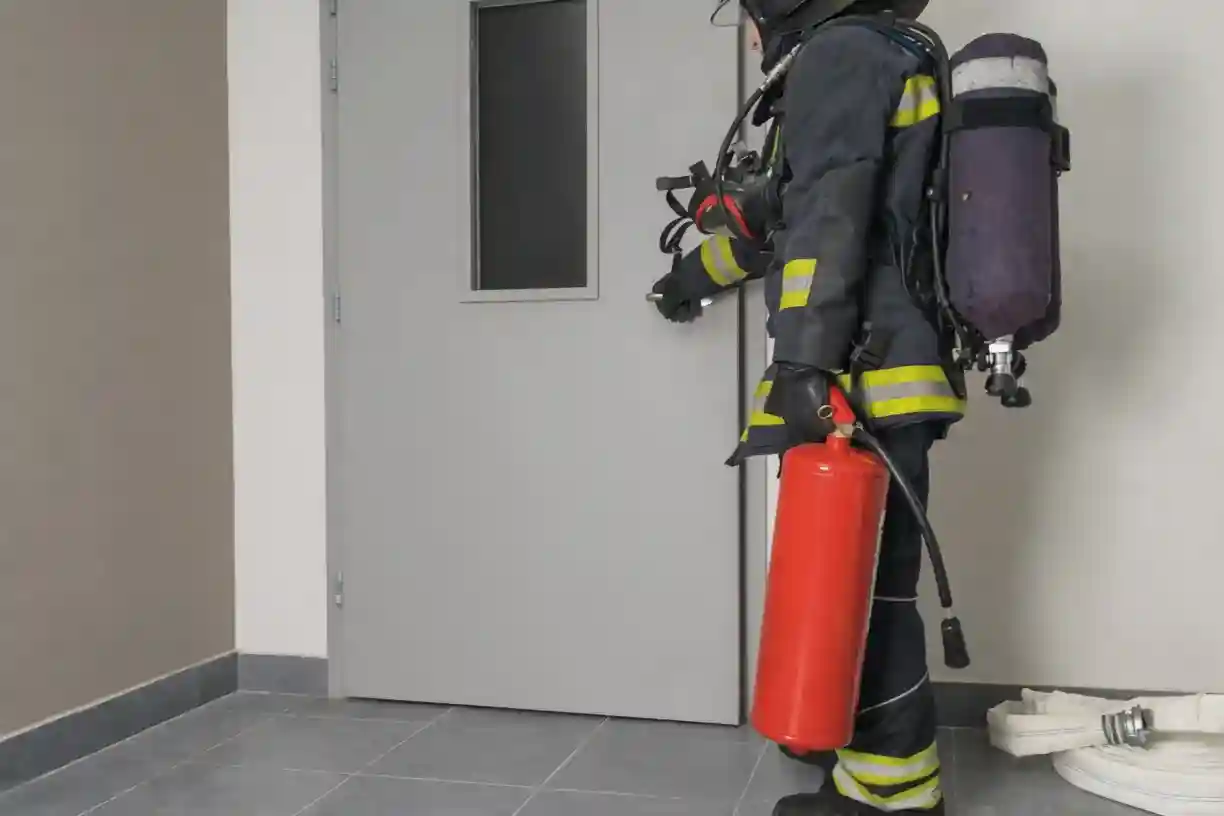
Fire door testing is a process in which the complete door assessment includes the door, frame, and hardware. The door is tested under controlled fire conditions on both sides to evaluate its performance in real fire exposure. Fire doors are essential safety components in a building, designed to contain fire and improve overall protection when properly maintained and regularly inspected. Fire doors are essential fire safety components that work alongside alarms to provide a full shield for your building.
What Must Be Checked in Every Fire Door
Always look for official fire door certification labels on the side of the door to confirm its fire-resistance rating. Fire door certification and compliance with legal standards must always be verified. Ensure that smoke seals are properly installed and that all components, including letter boxes and gaps around the door, are protected against fire and smoke leakage.
Key Takeaways That Matter Most
- Include leaf, frame, seals, hinges, and latch.
- Self-closing device keeps shut during emergencies.
- Regular checks confirm that seals and hinges are working.
- Certified units meet tested fire resistance standards.
- Proper fitting ensures correct performance.
- Hold-open devices must release during fire alarms.
The Real Role of Fire Doors in Fire Protection
Limiting Fire Damage Effectively
Fire doors help contain fire, limiting damage to the building and reducing overall fire risk. To ensure maximum reliability, fire doors must be integrated into your scheduled maintenance cycles and checked at least every six months.
Controlling Smoke Spread
Smoke Control: Fire doors prevent the spread of toxic smoke and gases, improving occupant safety and slowing fire progression.
Keeping Escape Routes Safe
Safe Routes: Fire doors help keep escape routes such as staircases and corridors clear, allowing safe evacuation and enabling firefighters to access the building without obstruction.
Preventing Flashover
Flashover: Fire doors reduce oxygen flow, which helps slow sudden full-room fire spread called flashover.
How Fire Doors Perform Under Heat and Smoke
Under heat and smoke conditions, the safety and ventilation materials maintain and control the movement of heat and toxic materials. Fire doors in buildings ensure proper safety systems control the spread of smoke and heat; the doors are checked and remain closed under strong heat and smoke conditions.
Case Study: How Fire Door Testing Prevented Major Fire Spread in a Residential Building
Background
A mid-sized residential building with multiple flats in the UK was undergoing routine fire safety inspections as part of its annual compliance checks. The building management had previously followed a scheduled fire door testing programme, including checks on door closers, seals, hinges, and frame alignment. Most landlords in London include fire door inspections as part of their annual compliance checks to stay ahead of legal requirements.
Issue Identified During Inspection
During a routine fire door inspection, several critical issues were found:
- Two fire doors on the second floor had damaged smoke seals
- One self-closing device was not fully shutting the door
- Minor gaps were found between the door and frame due to wear and tear
- A maintenance record showed delays in previous minor repairs
Although these issues seemed small, they significantly reduced the fire resistance performance of the doors.
Action Taken
The certified fire safety inspector immediately recommended corrective actions:
- Replacement of damaged smoke seals
- Adjustment and servicing of faulty door closers
- Re-alignment of door frames
- Full re-testing of all affected fire doors after repairs
All repairs were completed within 48 hours, followed by a re-inspection and compliance verification.
What Happened Later (Critical Outcome)
Three months later, a small electrical fault caused a fire in the kitchen area of one flat. The fire spread smoke rapidly into the corridor.
However, because the fire doors had been properly tested and repaired:
- The fire doors automatically closed as designed
- Smoke was contained within a limited area
- Escape routes remained clear
- Residents evacuated safely without injury
- Fire damage was restricted to a single unit instead of multiple floors
Fire services confirmed that properly functioning fire doors significantly slowed fire and smoke spread, allowing safe evacuation and reduced structural damage.
Spot Problems Before They Become Dangerous
Early Warning Signs You Should Never Ignore
Early Warning Signs: Early detection of issues helps identify faults such as loose hinges, damaged seals, or misalignment. Regular inspections ensure that fire doors remain fully functional during emergencies and daily use.
Detecting Mechanical Wear Early
Early detection of faults helps identify loose parts and weak fixings that could compromise system safety. Loose parts and weak fixings increase safety risks and can lead to system failure during emergencies.
Common Seal, Gap, and Alignment Problems
Fire doors are designed to contain smoke and fire, but they may fail inspection if there are issues with seals, gaps, or alignment. A properly functioning door requires the installation of a safety system to prevent fire and smoke, and safety performance improves.
- Causes: Weak installation of the building settlement doors.
- Seal Issues: Gaps in the seals
- Fix Issues: Remove old seals and install new ones, and remove paint from the seal, which allows it to function properly
Why Routine Checks Are Non-Negotiable
Small Checks Prevent Big Failures
Routine checks are essential, not optional, because they prevent small problems from becoming big failures.
Key Reasons You Can’t Skip Inspections
- Catch issues early: Small leaks, wiring faults, or hygiene lapses get fixed before they cause damage, downtime, or health risks.
- Maintain standards consistently:
Without routine checks, quality slips. Staff and students know what’s inspected gets done. This builds trust that the hostel/mess is safe and reliable. - Prevent liability & safety risks:
Fire safety, gas lines, electrical checks, and food hygiene are legally required. Skipping them risks fines, shutdowns, or harm to people. One missed check can lead to injury or legal action.
When You Need a Professional Inspection
Professional inspections are required when problems go beyond basic maintenance or involve high safety risks. When safety or compliance is involved, or when routine fixes don’t solve the problem. Call an expert for electrical, gas, fire safety, or structural issues, recurring faults like continuing leak problems, and before renovations or after incidents. It’s also required for legal certifications like food safety or fire NOC. If a mistake could cause injury, shutdown, or legal trouble, don’t rely on a routine check by a licensed professional.
Critical Components That Demand Attention
during regular inspections since they directly influence safety, cleanliness, and comfort. Loose hinges make doors droop and slam; seals stop dust, bugs, and smells from going between rooms; gaps let in noise and heat; and broken closers leave doors open, endangering fire safety and privacy. A fast check confirms that doors close completely, seals remain firmly in place, and hinges operate without resistance. Minor adjustments today avoid big repairs and complaints down the road.
How Testing Affects Your Insurance Coverage
Testing affects insurance policies since insurers use it to evaluate and control risk. Regular inspections of fire systems, electrical wiring, gas lines, and safety equipment show you are keeping standards, therefore maintaining your insurance valid, and sometimes reducing your premiums. Insurers can reject claims following an accident by invoking negligence if there are no documented tests. Good testing records also accelerate payments and reduce conflicts, whereas failed tests raise your risk profile and renewal prices.
Key Insurance Impacts to Know
- Premium rates: Testing logs qualify you for lower premiums.
- Claim validity: Missing tests can void coverage after an incident.
- Faster payouts: Documented checks reduce claim disputes.
- Risk rating: Fewer failures from testing keep renewal costs stable.
- Compliance proof: Required for legal and policy requirements.
When Replacement or Upgrades Become Necessary
Replacement or upgrades are needed when routine repairs no longer restore safety, function, or compliance. If a door closer fails repeatedly, hinges are corroded, or seals no longer block dust and pests, repairs are temporary fixes that waste money. Upgrade when equipment is outdated, fails safety tests, or doesn’t meet current standards like fire-rated doors or smoke detectors. Also, replace after damage from incidents.
Linking Testing to a Strong Safety Strategy
Turning Test Data Into Action
Testing is not a standalone task; it is the data source that drives your entire safety plan. Each test result tells you what’s working, what’s failing, and where risk is building up.
How Everything Connects
Risk assessment: Test logs reveal patterns, like recurring electrical faults or door seal failures. That data sets priorities in your safety plan.
Emergency readiness: Fire alarm and exit door tests confirm that clearance routes will work. If they fail, your emergency plan needs updating.
Preventive action: Testing flags small issues before they become risks, so your plan shifts from reactive fixes to proactive maintenance.
Compliance & training: Test schedules are included in staff training and audit planning. Everyone knows what is checked, when it is checked, and why it matters.
Common Mistakes That Reduce Effectiveness
Errors that reduce the effectiveness of investigations generally result from treating them as bureaucratic work in relation to security. Common mistakes include marking checklists without analysing only hinges, seals, or closures, testing too many issues to build up between tests, and logging failures without tracking maintenance. Using untrained personnel for technical checks, such as fuel or power structure, leads to inaccuracies, such as ignoring tests, such as routine, correct, on-time and subsequent repairs, gives you confidence and leaves real dangers untouched.
Frequently Asked Questions
Door leaf frame seals, hinges, and hardware get assessed for fire and smoke resistance performance.
Smoke seals block toxic smoke spread and improve safe evacuation conditions during emergencies
Loose hinges, gaps around the frame, and damaged seals show reduced fire protection performance.
Fire doors contain fire spread, protect escape routes and slow down smoke movement.
Replacement becomes necessary when damage appears, repeated faults occur, or safety standards fail compliance checks.
Final Thoughts on Fire Door Safety
Fire door testing is critical to controlling the extent of fire and smoke and protecting lives and property. Regular inspections ensure that doors, seals and additives function properly and meet penalty standards under the Regulatory Improvement (Fire Safety) Directive. Proper maintenance reduces risk, aids in compliance, and improves households’ general protection programs. Book an expert fire door inspection today to keep your home safe, compliant, and fully compliant with fire safety regulations. All commercial property owners must follow the strict guidelines set by the Regulatory Reform (Fire Safety) Order 2005 to avoid heavy penalties.
About the Author: Ambreen

Related Posts
Recent Posts
- Why Fire Door Testing Matters: Key Safety Checks You Can’t Ignore
- Landlord Gas Safety Certificate Costs and Renewal Information
- Emergency Lighting Inspection Services: Keep Your Exits Safe When It Matters Most
- EPC Report London: A Simple, Stress-Free Walkthrough
- Fire Extinguisher Checks: Step-by-Step Guide to Stay Prepared for Emergencies


Get Social