



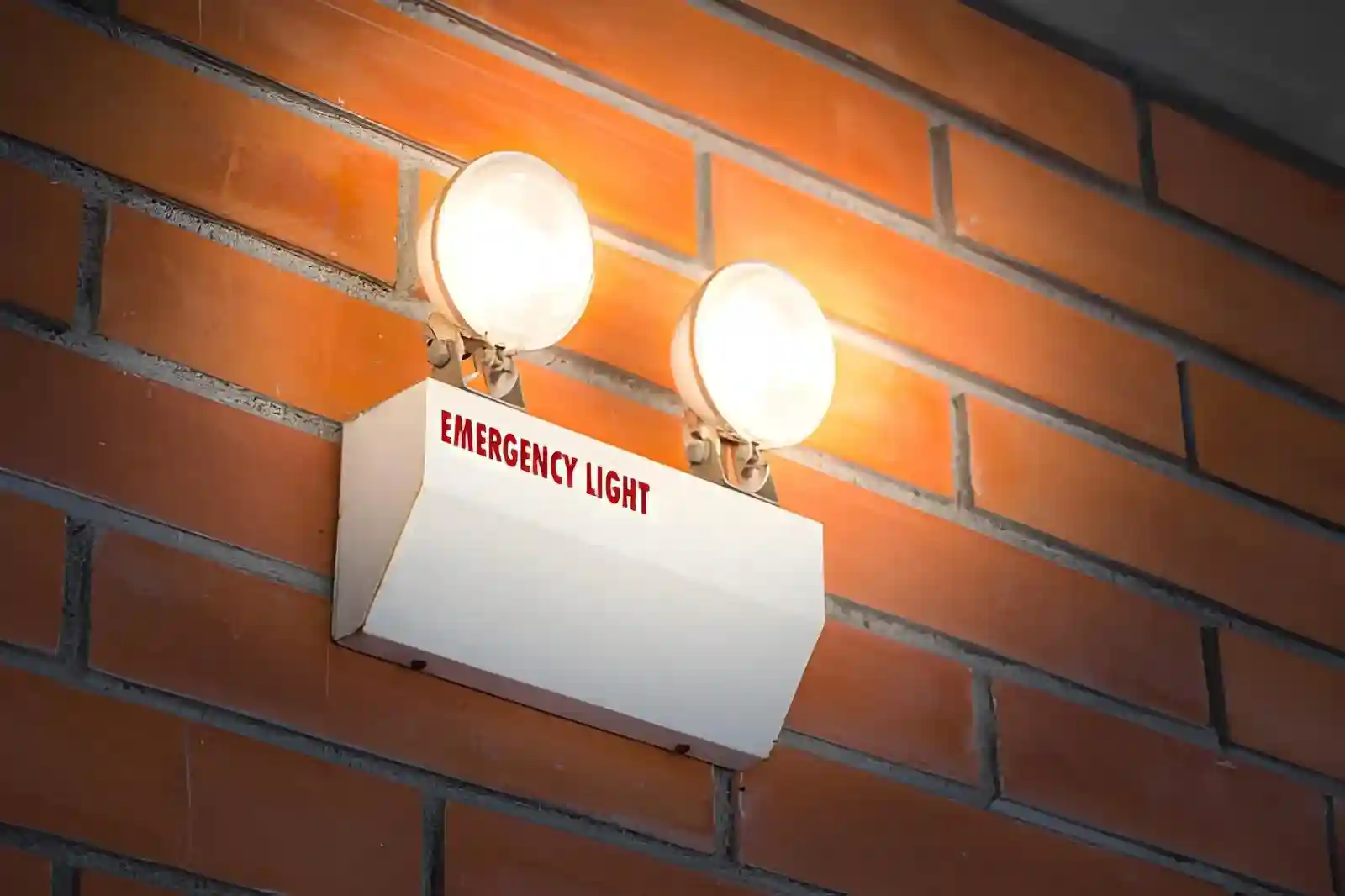
System safety standards across commercial and residential structures depend on organised compliance checks. Reliability of exit pathways depends on consistent system validation and performance control. The core focus remains on emergency lighting inspection, which supports safe movement during sudden power disruption scenarios. The core focus remains on Emergency Lighting Inspection, which supports safe movement during sudden power disruption scenarios.
Safety Systems Support Compliance and Continuity
Safety frameworks highlight alignment with regulatory expectations and operational continuity. Escape visibility remains a primary requirement during risk situations. System verification routines reduce uncertainty during electrical failure events. Fire safety compliance systems rely on scheduled maintenance cycles and controlled testing environments. Building assessment processes improves performance and reduces risk across critical infrastructure systems.
Key Takeaways
- Check emergency lights every month
- A monthly check is quick and easy
- A trained staff member can perform the monthly check
- Every 6 months, a skilled person checks more
- The skilled person tests the battery
- They also look at wires and light positions.
- Every year, there is a full safety check
- After that, you receive a safety compliance certificate
- If you fix or change the building, check again
- Do this before people use the building again
Emergency Lighting Inspection and Why You Should Care
Operational safety depends on system readiness during unexpected disruptions. Backup illumination systems activate during power loss conditions to support safe evacuation pathways. Core evaluation processes verify performance stability and response accuracy across installed units. Regulatory alignment is necessary to maintain compliance with fire safety expectations.
What Does a Standard Inspection Include?
System assessment includes several structured checks:
- Activation response timing under simulated failure conditions
- Battery endurance validation under load conditions
- Fixture positioning accuracy across exit routes
- Illumination coverage across stairways and corridors
Safety audits highlight that delayed activation is a major risk factor during emergencies. System reliability improves when regular inspection cycles are maintained across all building zones.
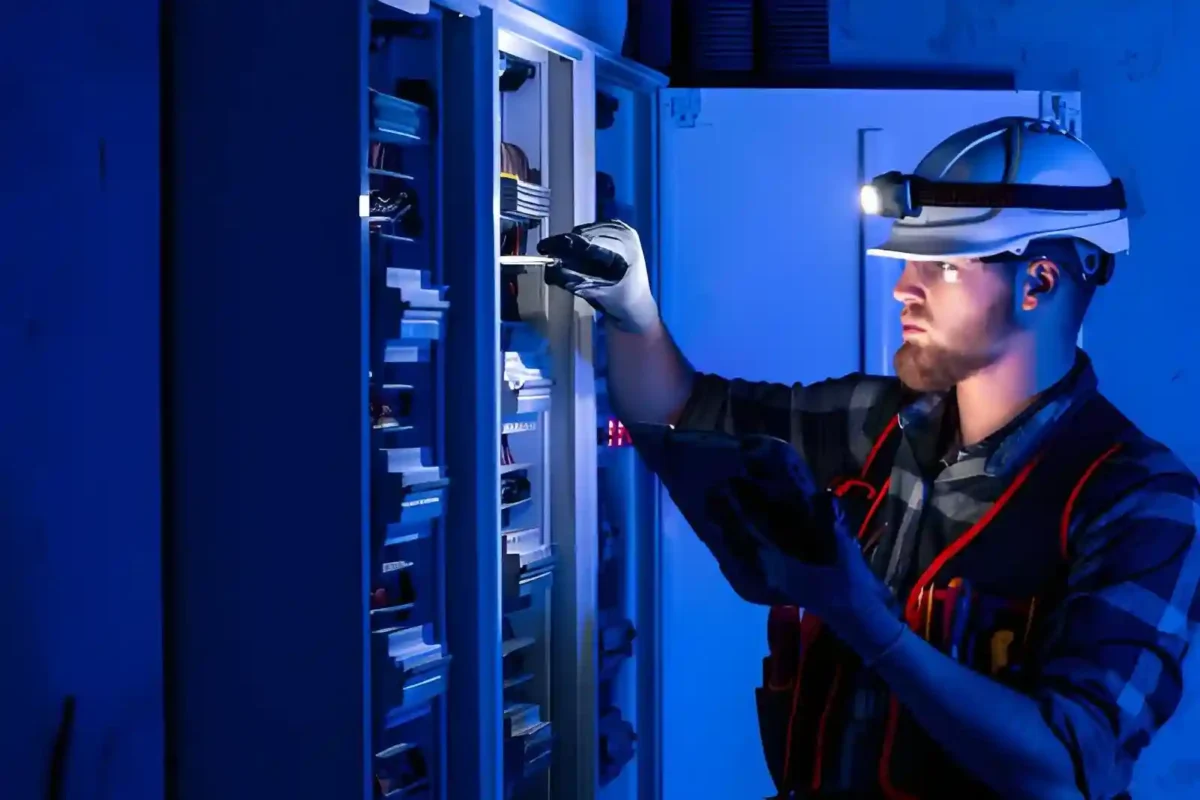
What Does an Engineer Inspect During a Visit
A good inspection includes all of the following:
Response Speed and Activation Check
How fast do lights turn on? They must come on immediately when the power fails. Any delay can be dangerous.
Battery Performance Verification
Batteries must keep the lights on for the required time (usually 1 to 3 hours). Old batteries may look charged but fail when needed.
Placement and Coverage Review
Lights must be correctly placed along all exit routes, stairs, and corridors, and near doors. The engineer checks corners, steps, and high-risk areas for poor lighting.
Electrical Components and Lifespan Check
Wires and cables: Loose or damaged wires can stop lights from working.
Old parts: Bulbs, batteries, and other parts that are too old get flagged for replacement.
After the inspection, you receive a written report. Keep this for your records; fire safety officers may ask to see it.
Emergency Lighting Compliance Matters
Regulatory frameworks define strict operational standards for backup illumination systems. Safe evacuation pathways depend on uninterrupted visibility during power failure situations. Structured compliance checks conform to safety performance benchmarks and ensure system readiness during critical events.
Compliance Improves Safety Outcomes
Compliance safety aligns with fire safety governance structures across commercial environments. Risk reduction improves when lighting systems activate instantly during a power failure. Visibility consistency is essential for safe occupant movement. Inspection routines reduce the risk of system malfunctions and improve operational resilience across infrastructure setups.
Legal Requirements You Must Follow
Emergency lighting inspection is not optional for commercial buildings. UK fire law, especially the Regulatory Reform (Fire Safety) Order 2005, says you must keep your system working properly at all times.
Understanding BS 5266 Standards
The technical standard is BS 5266-1:2016. It tells you exactly what you need to do. Following this standard is the best way to prove you meet the law.
Key Legal Requirements You Must Meet
What the law requires:
- Lights must turn on automatically when the main power fails.
- The system must provide enough light for at least 1 to 3 hours (depending on the building).
- All escape routes, stairs, corridors, and changes in floor level must be covered.
- You must test the system at regular, set times, and write down the results.
- You must keep those records and show them to fire safety officers if asked.
These rules apply to offices, shops, warehouses, schools, hotels, restaurants, and most other non-residential buildings. Landlords and business owners who share the building are responsible for this check or inspection.
If you don’t follow the rules, you can face fines, enforcement notices, and even criminal charges if someone gets hurt because of your negligence.
Types of Emergency Lighting Systems
Different buildings use different emergency lights. If you understand your system, it will help you maintain it correctly.
Common System Types Explained
Maintained systems: These lights stay on all the time. When power fails, they keep running on battery. Common in cinemas, hospitals, and entertainment venues.
Non-maintained systems: These are off during normal operation. They only turn on when the power fails. This is the most common type in offices; it saves energy and still meets safety rules.
Central battery systems: One large battery powers all emergency lights in the building. Good for large buildings because you check everything from one place.
Self-contained systems: Each light has its own small battery inside the fitting. Easy to install and maintain. Good choice for smaller buildings.
What Problems Are Commonly Found During Inspections?
Even in well-kept buildings, inspections often find problems that would otherwise go unnoticed until an emergency.
Frequent Faults You Should Watch For
Weak batteries: The most common issue. Batteries lose capacity over time and cannot keep lights on long enough.
Wiring faults: Loose or damaged wires slow down activation or stop lights from working at all.
Poor coverage: Lights may have been moved, blocked, or made useless by changes to the building layout. Some escape routes may be dangerously dark.
Expired parts: Bulbs, batteries, and control gear that are way past their replacement date.
Finding an issue during a routine inspection usually means a low-cost repair. Finding them during a real evacuation is a whole different thing.
How Often Should You Test Emergency Lighting Systems?
Maintenance schedules help keep the system reliable. Regular evaluation ensures backup systems remain functional during emergencies. Inspection routines maintain consistent work.
Recommended Testing Schedule
BS 5266 gives a clear schedule that all commercial buildings should follow.
| How often? | What you do |
|---|---|
| Every month | Check lights work properly |
| Every 6 months | Test the battery, light points, and wires |
| Every year | Completely check all parts |
| After changes | Fix or change the lights again |
Structured scheduling improves reliability and reduces failure risks.
What Should You Know About Inspection Costs?
The cost of inspection depends on the size of the property and the number of installed units. You should check which areas need improvement.
Typical Service Breakdown
| Service | What is includes | Estimated cost |
|---|---|---|
| Check the basic system | Visual inspection | £80 – £150 |
| Audit complete | Check the complete performance | £150 – £350 |
| Battery testing | Battery duration testing | £60 – £120 |
| Certificate compliance | Official document proving | £100 – £250 |
Larger buildings have multiple sites, so annual services cost less overall and provide inspections for you; no one needs to provide them separately.
Emergency Lighting Checklist Every Property Owner Should Follow
System performance depends on regular checks of all components. Maintenance tracking improves reliability and compliance.
Essential Inspection Checklist
Checklist includes:
- Activation testing across all units
- Battery condition assessment and replacement tracking
- Exit route visibility confirmation
- System response timing validation
Proper documentation ensures compliance and safe work.
How to Choose the Right Emergency Lighting Inspection Service
A few simple things make a big difference in the quality of service you get.
What to Look for in a Professional Service
Look for an engineer with recognised qualifications and proven experience with commercial emergency lighting.
After every inspection, they must give you a written report that lists any faults, tells you what to fix, and confirms your compliance status.
A reliable provider will also keep your records and send reminders when the next inspection is due.
For extra convenience, choose a local emergency lighting inspection service. They can come faster, get to know your system over time, and offer more flexible scheduling.
Frequently Asked Questions
Routine checks help ensure the system is always in good working condition. They allow issues to be fixed early, reducing the risk of failure during an actual emergency.
Functional emergency lighting improves safety by guiding people during evacuations and reducing panic in emergencies.
Emergency lighting activates automatically when the main power supply fails or voltage drops below required levels.
Faulty emergency lighting systems can lead to accidents, injuries, panic, legal penalties, and unsafe evacuation conditions.
Batteries supply backup power, ensuring emergency lights operate when the main electricity fails during critical situations.
Final Thoughts: Stay Safe with Regular Emergency Lighting Checks
Building safety depends on a system of work and regular maintenance. Backup lighting systems require continuous monitoring to ensure reliability during emergencies. System performance is ensured through consistent inspection routines that ensure the system is ready to work when needed. Proper protection reduces risk and improves escape protection. Regular inspections ensure compliance and reinforce the central building safety emergency lighting requirements. Don’t wait for an emergency to find out if your light fixtures are faulty. Schedule an emergency lighting inspection today. Learn more about the emergency light check.
About the Author: LandlordCertificate

Related Posts
Recent Posts
- Residential EICR London: Complete Electrical Safety Inspection Guide for Landlords & Homeowners
- Property Owners and Landlords Across London
- Emergency Lighting Assessment Failure Signs: 4 Critical Indicators Your System Needs Immediate Attention
- Annual Fire Alarm Inspection Checklist and Industrial Facility Solutions Safety Plan: 5-Step Shield
- Fuse Box Installation by a Certified Fuse Box Electrician for Circuit Failures and Safety Control


Get Social