



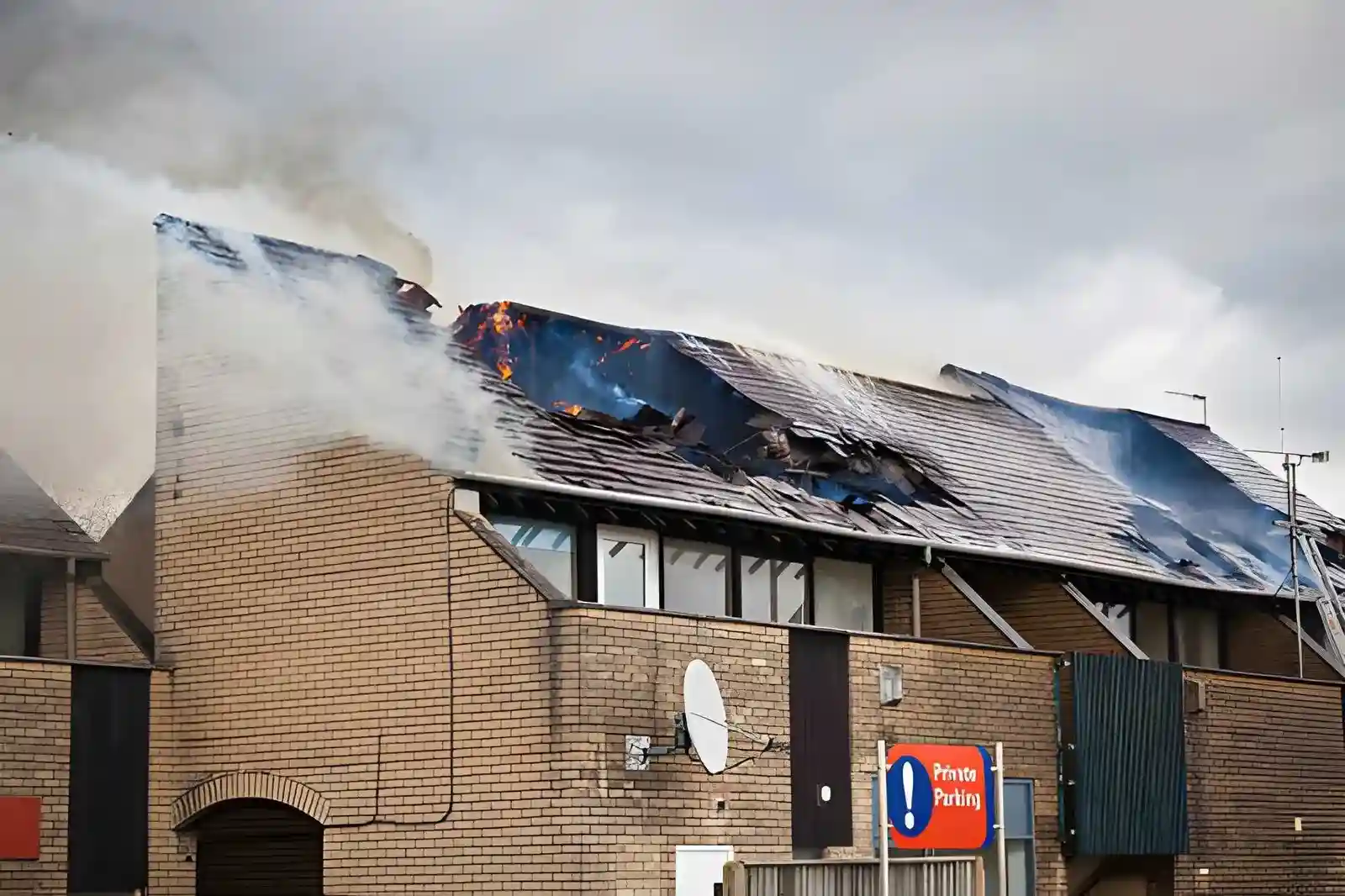
Property safety needs steady attention in rental homes. Risks in buildings must be controlled and monitored at all times. A clear safety plan lowers dangers and makes things safer for people who live there. A landlord fire risk assessment is a step‑by‑step way to find fire risks in rental homes. Safety is the job of property managers, and the rules they must follow. Fire risk assessment requirements include knowing about things that can start fires, how to get out, and fire alarms. Rental homes have more risk because many people live there and share spaces. Strong safety systems cut down on damage and help follow the law. Checking safety often makes protection better over time. Controlling fire risk ties directly to good daily property care. Upkeep routines, inspection cycles, and risk tracking make safety better in every part of a building. Good planning also helps safety steps and property management work together. Fire prevention depends on doing things the same way every time, being aware, and following careful risk steps.
Key Takeaways
- Strong safety structure reduces risk exposure in buildings
- Proper alarm systems improve early warning response speed
- Clear evacuation routes and safer movement during emergencies
- Routine inspections help identify hidden safety issues early
- Electrical system care reduces the chances of fire risk
- Organized emergency planning improves during critical events
- Designated safe zones support the controlled evacuation process
- Functional safety equipment ensures reliable protection at all times
- Regular updates keep emergency plans effective and relevant
- Consistent monitoring strengthens overall building safety standards
What Is a Landlord Fire Risk Assessment
A safety check in rental housing means finding dangers and planning how to control them. The rules for fire risk assessment say what must be done to keep homes safe. A landlord fire risk assessment looks for things that could start a fire, checks escape paths, and reviews smoke alarms. Fire safety steps try to lower risks from wires, heaters, and how people act. Following the rules helps property managers stay safe. Writing down risks makes people more responsible and helps them meet legal rules. Fire prevention uses careful checks and fixes where risks are found. Scoring risks and writing clear reports help make good safety choices. Managing fire safety works best when you review often and keep records up to date.
Why Every Landlord Needs It
Running rental homes means you must protect the people who live there and keep the building safe. Laws say you must control dangers and set up prevention systems. A landlord fire risk assessment helps you know where fire risks are and what you must do about them in your homes. Fires often start because of risks that no one has fixed in daily property care. Safety oversight cuts down on harm to the building and to people. The rules say all rentals must meet the same safety standards. Fire prevention steps make building systems more reliable and help people be ready for emergencies. Strong safety rules make properties stronger and more stable over time. Insurance and legal rules often require risk assessment to have written safety controls. A good risk check lowers your legal risk and helps you run things with more confidence. Fire safety discipline leads to safer homes and better property results.
Who Should Get a Fire Risk Assessment?
Many kinds of property owners and managers must think about fire safety. Rental homes need planned safety checks to follow the law and lower dangers. A landlord fire risk assessment looks at risks in homes where people live together or alone. Property managers, housing operators, and asset controllers have a duty of care under safety laws. Fire risk control in all buildings where people live or work. Planned checks help you see weak spots in your systems. Safety planning makes sure you meet legal rules and avoid penalties. Fire protection rules and safety standards are the same for many property types. Coordinating upkeep and scheduling inspections makes safety systems more reliable. Risk rules protect your property for the long term and lower uncertainty across all the homes you manage. Following the rules gives you clear oversight and better safety assurance.
Common Fire Risks That Landlords Often Fail to Spot
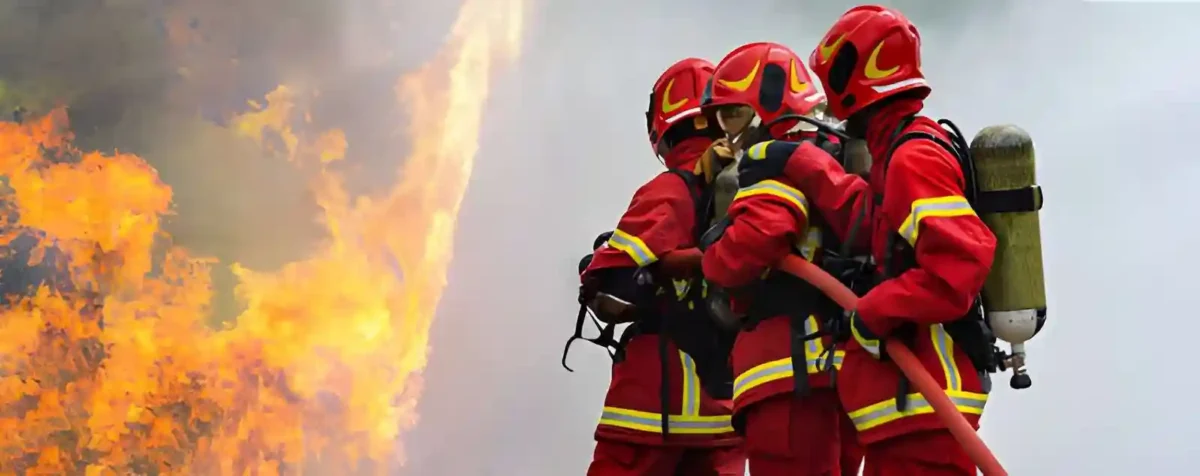
Hidden dangers in rental homes are often missed during normal checks. Bad wiring, blocked exits, and hot appliances cause many fires. In London, fire safety rules are very strict for rentals. Poor air flow and wrong storage of flammable things add more risk. Fire problems often come from late repairs and not watching closely. Finding risks early stops big problems later. Regular checks help prevent fires in all parts of a home.
Points to remember:
Bad wiring: Old or broken wires can start fires.
Blocked exits: Doors or halls that are hard to open slow down escape.
Hot appliances: Overheated toasters, space heaters, or dryers are dangerous.
Poor air flow: Closed rooms with no air can make heat build up.
Flammable things stored incorrectly: Keeping paint, gas, or paper near heat is risky.
Late repairs: Small problems grow into big fire risks when not fixed quickly.
Overloaded circuits: Plugging too many devices into one outlet causes sparks.
Old wiring: Outdated electrical systems can fail and catch fire.
Easy Ways to Make Your Rental Homes Much Safer
Making rental homes safer depends on steady upkeep and planned risk control. Fire prevention means paying attention to wires, heaters, and where people spend time. A landlord fire risk assessment finds weak points in your building’s safety systems. Regular inspection routines lower the chance of fires and building damage. Safety improvements include making exit paths stronger and checking alarms often. Upkeep schedules make fire safety gear and building systems more reliable. Fire safety gets better when you keep reviewing and fixing what is wrong. How you manage the building also cuts down on risks. Planned upkeep programs keep fire safety steps working for a long time. Lowering risk depends on careful inspection habits and always checking the same systems in every part of the property.
Install Working Smoke Alarms on Every Floor
Smoke alarms are a key part of fire safety in homes. Putting alarms on every floor gives people an early warning and protects them. A landlord fire risk assessment makes sure alarms are placed correctly and work well in rental homes. Alarms that work help people react fast during a fire and stop it from getting worse. Upkeep routines check that safety devices are ready at all times. Having smoke alarms on every floor helps you follow safety rules and lower risks. Property safety standards rely on alarms that work and on regular testing. Early warnings are very important for reducing damage and making emergency response faster. Testing schedules keep detection gear reliable. Placing alarms in high‑risk areas gives better coverage. Safety is higher when alarms work without fail on all levels of a property.
Check and Fix Electrical Wiring Regularly
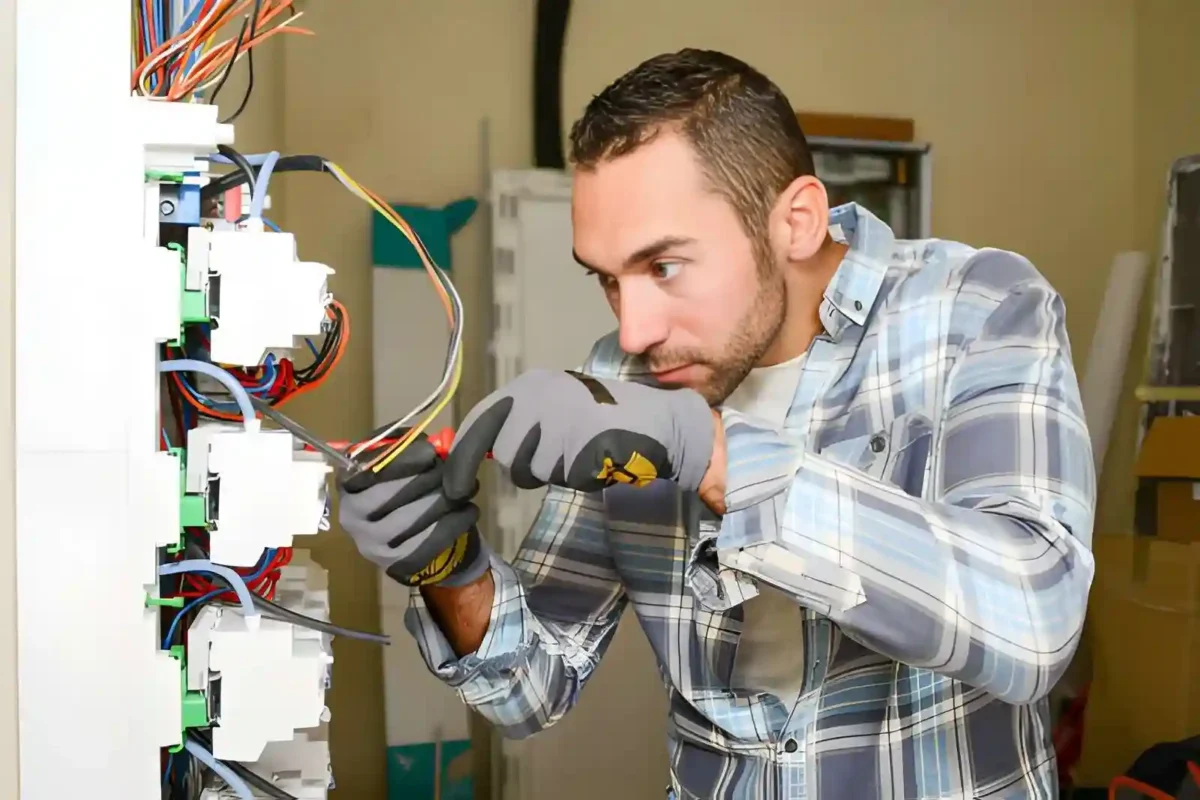
Electrical systems cause many fires in homes. Bad wiring, too many plugs on one circuit, and old setups raise the chance of a fire. A landlord fire risk assessment looks at the electrical system to find safety problems. Taking care of electrical systems lowers the risk of fires and property damage. Having a pro check your wiring makes the system more reliable and helps meet safety rules. Finding faults early stops sudden failures and overheating. Electrical safety management protects your property for years and keeps things running well. Preventing problems makes fire safety stronger overall. Watching circuits and balancing loads makes the system work better. Planned electrical oversight lowers risk over time and makes the building safer in every part.
Create a Simple Fire Escape Plan for Tenants
Step 1: Identify Exit Routes
Clear exit paths help people get out fast during a fire. Doors, halls, and stairs must always be clear. A commercial fire risk assessment can help find safe move paths in your property’s layout.
Step 2: Set Assembly Point
A safe outdoor meeting spot helps people find each other after getting out. Gathering in one place makes it easier to stay safe and count everyone during an emergency.
Step 3: Prepare Emergency Instructions
Clear, simple steps make people react faster. A landlord fire risk assessment plans safety steps and helps people be ready to leave rental homes.
Step 4: Share Safety Guidance
Simple written steps help renters know what to do. Clear messages cut down on confusion and make emergency response work better.
Step 5: Review Plan Regularly
Checking the plan often keeps it useful. Changes in the building or in who lives there mean you must update the safety plan to keep everyone safe.
Frequently Asked Questions
Fire safety planning organizes escape routes and emergency actions to reduce risk and improve evacuation response during dangerous situations.
Exit routes ensure fast evacuation during emergencies and reduce confusion by guiding occupants safely outside the building.
Fire alarms detect smoke early and alert occupants quickly, improving response time and reducing potential harm.
Safety plans should be reviewed whenever property layout or occupancy changes to maintain effective emergency response.
The assembly point helps gather occupants safely after evacuation and supports headcount accuracy during emergencies.
Conclusion
Fire safety rules are based on checking rental homes, fixing problems as they come up, and inspecting them all the time. A landlord fire risk assessment finds risks tied to wires, escape paths, and fire alarms. Strong safety plans lower the chance of preventable fires and meet public safety needs. Reviewing safety steps often makes sure they still work and follow the law. Writing things down and making fixes builds stronger warranties and long‑term protection. Fire prevention depends on always watching and following good upkeep habits. Good risk controls give strong asset protection and help you follow the rules in every managed home without safety gaps or uncontrolled risk.
About the Author: LandlordCertificate

Related Posts
Recent Posts
- Residential EICR London: Complete Electrical Safety Inspection Guide for Landlords & Homeowners
- Property Owners and Landlords Across London
- Emergency Lighting Assessment Failure Signs: 4 Critical Indicators Your System Needs Immediate Attention
- Annual Fire Alarm Inspection Checklist and Industrial Facility Solutions Safety Plan: 5-Step Shield
- Fuse Box Installation by a Certified Fuse Box Electrician for Circuit Failures and Safety Control

Get Social