



Boiler Installation £2499*
Boiler Installation £2499
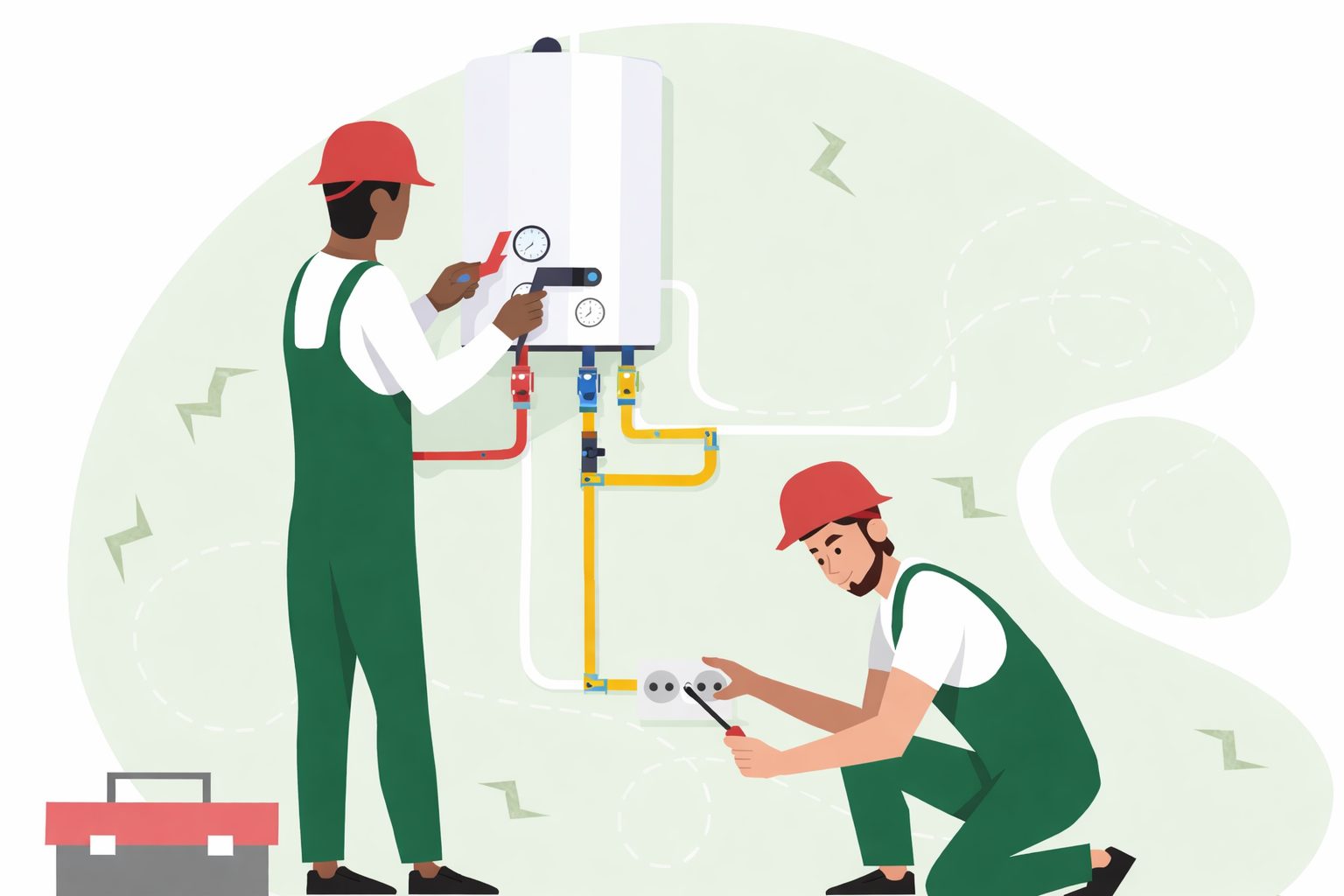
Boiler Installation
Start from £2499
All inclusive (No hidden Cost)
Excellent

 Trustpilot
about 16 days ago
Great service
Booked gas, EICR and fire safety checks. Easy online booking, good communication from office team and engineer, arrived on time, friendly service, certificates issued promptly. Great service.
about 28 days ago
Very good process and available at…
Very good process and available at short notice.
about 17 days ago
Great company.
Prompt service. Excellent inspection. Competitive price.
about 22 days ago
Excellent service from start to finish
Excellent service from start to finish. The gas safety certificate and electrical certificate were completed professionally and efficiently. The engineer was punctual, polite and knowledgeable, and explained everything clearly. The whole process was smooth and the certificates were provided promptly. I would definitely recommend this company to other landlords and will use them again.”
about 22 days ago
Great service and really good value
Great service and really good value for money! I got an appointment for the next day, and the certificate was issued on the same day as the inspection. Everything was quick, easy and hassle-free. Definitely recommend!
about 22 days ago
I had a very positive experience with…
I had a very positive experience with this company. The service was professional, friendly, and efficient from start to finish. Communication was clear, and everything was handled exactly as promised.I’m very happy with the overall experience and would definitely recommend this company to anyone looking for reliable, professional service.
As a landlord, property owner, or property manager, boiler installations are among the most crucial investments that you can possibly make. Reliable heating, lower energy bills, consistent hot water, and full compliance are some of the benefits provided by a professional boiler installation.
Opting for the right installer is the most important step of the boiler installation process. It doesn’t matter if you are installing a boiler in a rental property, replacing an old boiler, or upgrading to more recent technology; the right installer makes the job much easier and efficient.
Expert boiler installation services are provided across London by Landlord Certificate London (LCL). Our experts specialize in rental, residential, and commercial properties. The entire process, from assessment and boiler selection to installation and aftercare, we ensure efficient management of all the related factors.
If you are a landlord looking for transparent pricing, long-term reliability, and legal compliance, LCL is the right choice for you. At LCL, we understand that landlords already have a lot on their plates; therefore, we guarantee complete and stress-free services.

£2499*
*Start From (Dependent Upon Make & Model)
*Appliance tested
*New Magna Filter Installed
*Existing System Chemically Washed
*Checking of the emergency control valve on gas meter
*Tightness test performed on gas meter to make sure there is no gas leak.
*£5 Parking charges are applicable in case of paid parking.
*£18 Congestion Charge applicable in case the property is in congestion charge zone
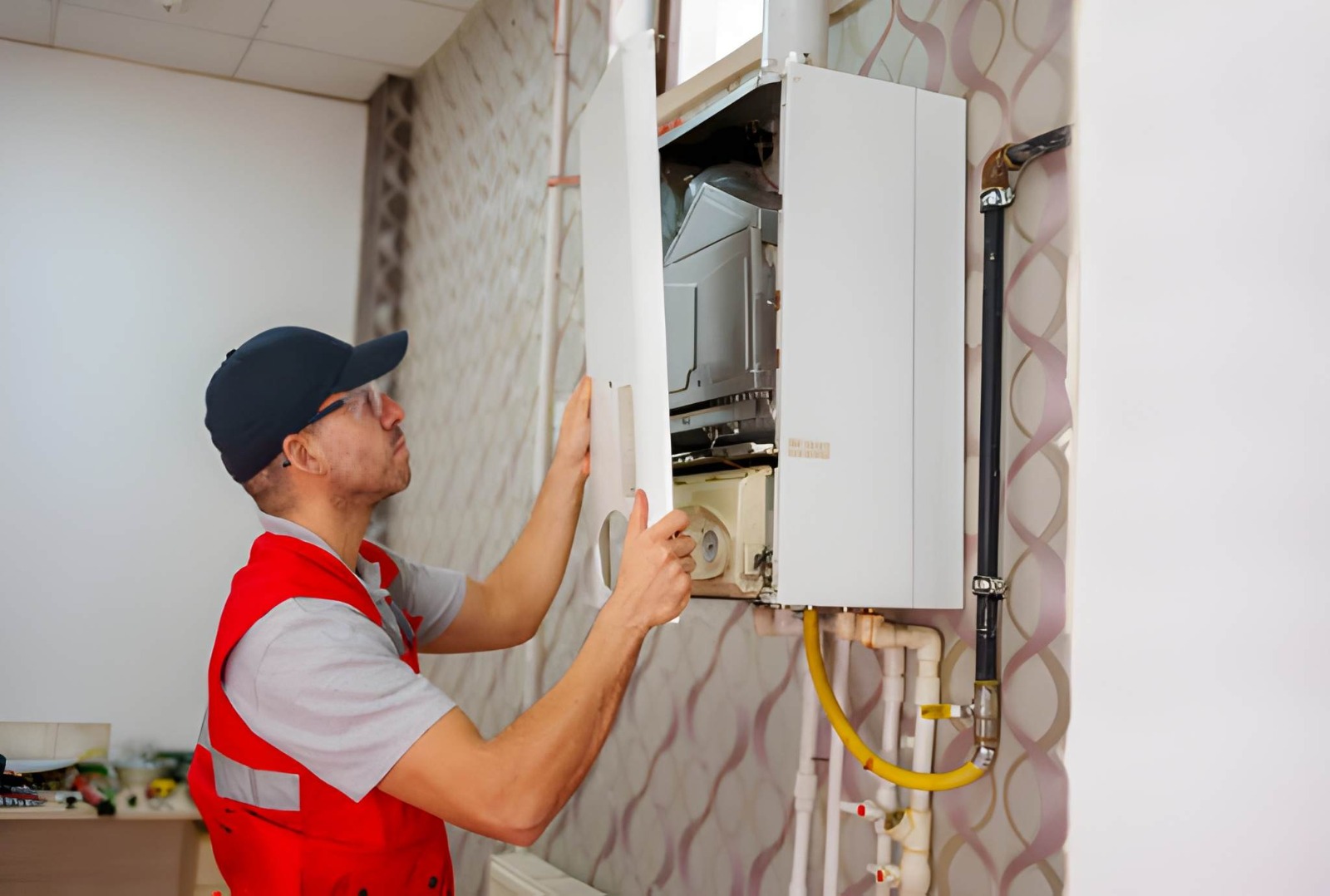
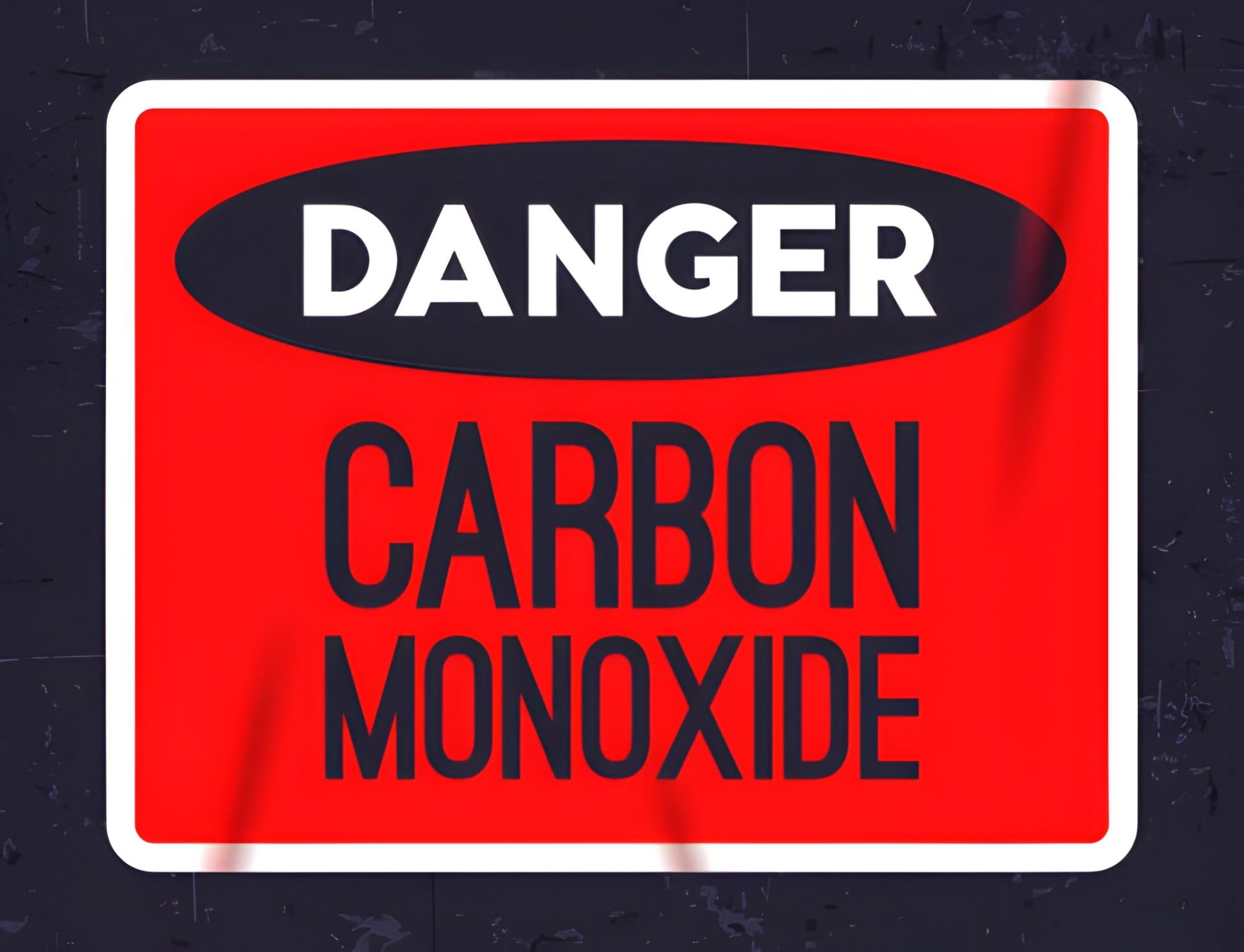
Carbon Monoxide Risk
Improperly connected gas lines, inadequate ventilation, or poorly fitted flues lead to dangerous gas leaks.
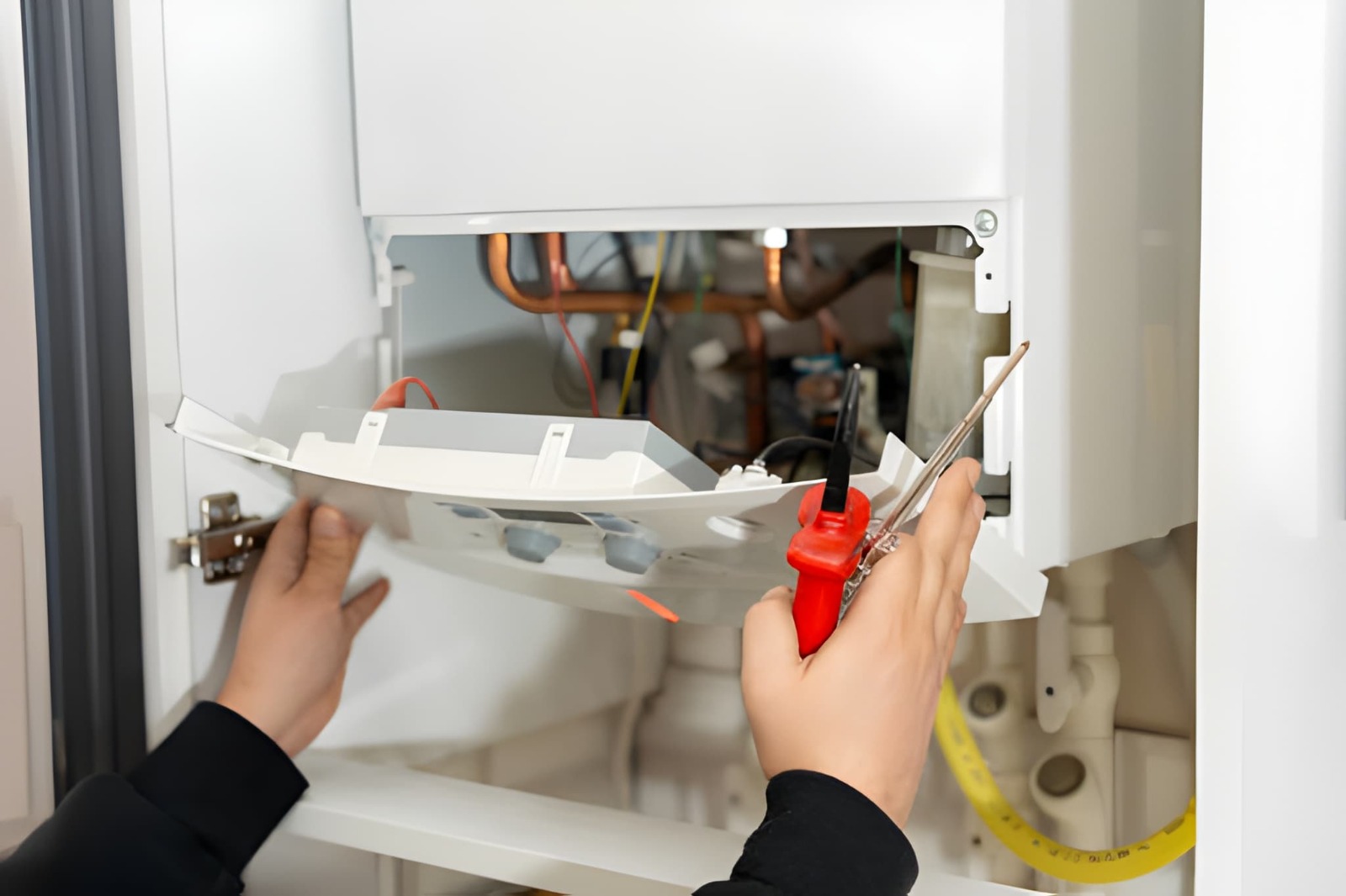
Frequent Breakdowns
A poorly installed boiler fails to operate at its full capacity, leading to repeated breakdowns and stress.
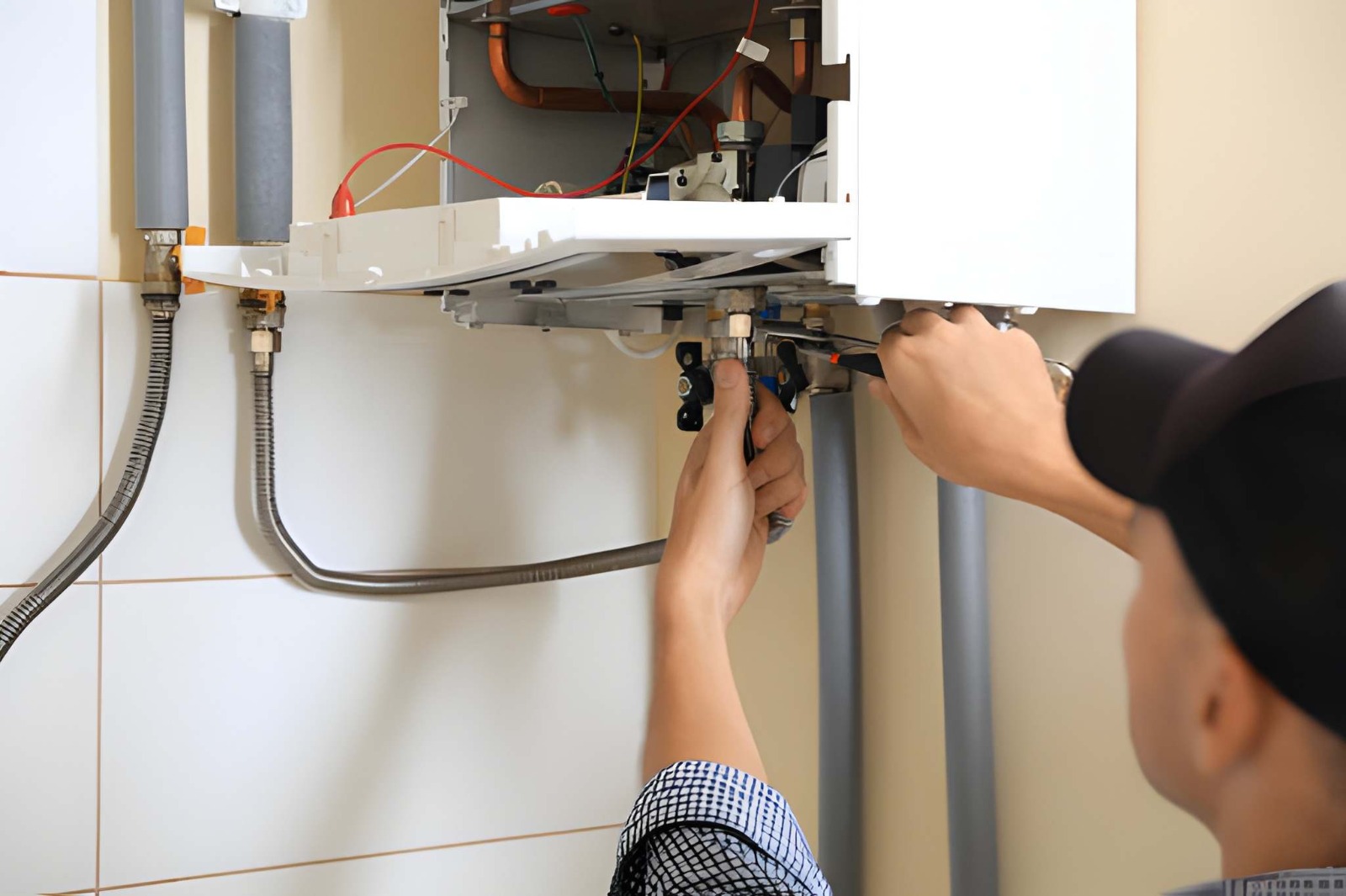
Legal Issues
Voided insurance and legal penalties are the consequences of failure to comply with Gas Safe regulations.
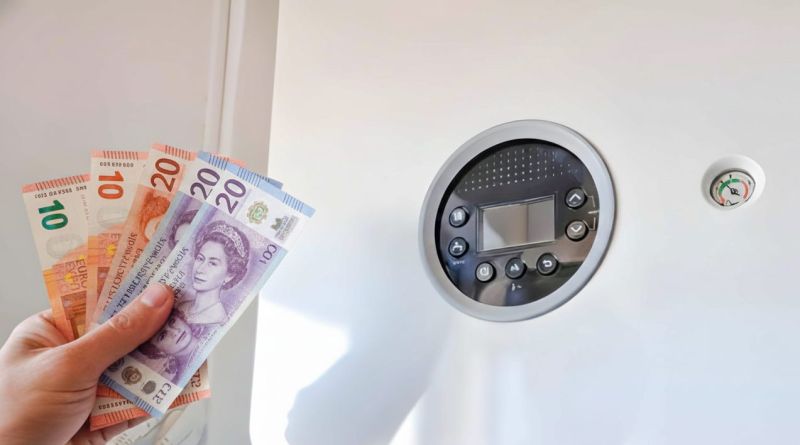
Under the Gas Safety (Installation and Use) Regulations 1998, all gas appliances, including boilers, are needed to be installed, serviced, or repaired only by a Gas Safe registered engineer.
In case of a new boiler installation, compliance with UK Building Regulations (Part L for energy efficiency and Part J for combustion appliances) is essential. This particular compliance ensures proper ventilation, safe installation, and efficiency standards.
As a landlord, you need to ensure that your boiler is Gas Safe certified and that its functioning is safe and efficient. Moreover, possession of a boiler installation certificate is mandatory.
Homes or landlord insurance can be invalidated in case of incorrect installation or use of an unqualified installer. In such scenarios, due to gas leaks, fire, or any damage, property owners can be held legally liable.
Moreover, most boiler manufacturers require installation by a Gas Safe engineer to validate the warranty. Voided warranties are the consequences of getting an improper installation by an unregistered engineer. This leaves you responsible for all the repairs and replacement costs.
Health & Safety at Work regulations may be breached, and employees may be put at risk, due to incorrect boiler installation, in commercial settings.
Types of Boilers
Combi Boiler – Compact & Efficient
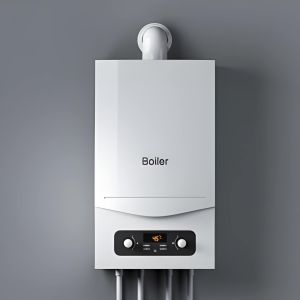
These boilers are ideal for flats and small to medium homes. They provide instant heating without needing a storage tank. They’ve become one of London’s most popular choices due to their space-saving feature, their convenience, minimized installation complexity, and fast hot water supply. Moreover, they are highly energy-efficient, leading to reduced fuel consumption and minimized energy bills. They include smart thermostats and digital controls, making their operations personalized and remote.
System Boiler – High-Capacity Heating
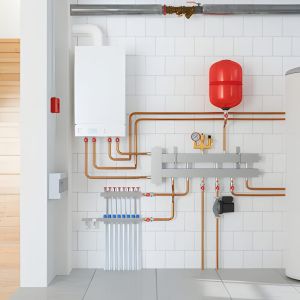
A hot water cylinder is involved in these kinds of boilers. These boilers are known to deliver strong water pressure and reliable heating, especially for properties that possess multiple bathrooms or higher hot water demand. To ensure the functionality of multiple taps and showers, unlike combi boilers.
These boilers are ideal for larger homes. System boilers are low-maintenance, compatible, and efficient. These boilers are a popular choice for family homes and high-demand properties, all across London.
Conventional Boiler – Traditional & Reliable
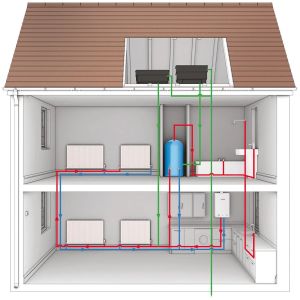
Both hot water and cold-water storage tanks are used by conventional boilers. These kinds of boilers are also known as regular boilers. In the case of houses with traditional plumbing systems, these types of boilers are ideal. Moreover, they are also prioritized in properties where multiple bathrooms demand a simultaneous hot water supply. Dependable heating and high-water storage capacity are offered by conventional boilers.
A legal document issued after a new boiler is installed is called a boiler installation certificate. The completion of the installation by a Gas Safe Engineer is confirmed by this document. Moreover, it provides proof of compliance with Building Regulations.
The boiler certificate is mandatory for landlords renting out property, insurance validation, homeowners selling a property, legal compliance, and council inspections.
A valid boiler certificate is especially important for landlords as it supports annual gas safety checks and protects the landlords from any kind of legal liability.
A common misconception about this certificate is that it’s just another piece of paperwork. A boiler installation certificate is a critical part of the responsibilities of landlords, property managers, and homeowners. This document makes sure that all the heating systems are safe, reliable, and efficient.
For homeowners, this certification is the source of mental peace. Knowing that your boilers have been installed correctly and your property is safe for the people who call it home brings you peace like nothing else. For landlords, this certification forms an integral part of compliance with legal obligations under the Gas Safety (Installation and Use) Regulations 1998. A valid certificate showcases how responsible you are as a landlord and how much you care about the safety of your tenants.
There are four steps to ensuring a safe, efficient, and compliant boiler.
A thorough property assessment is the first step of every successful boiler installation. During this step, it’s important to understand the size, layout, number of bathrooms, rooms, and occupancy patterns. Already existing ventilation, pipework, drainage systems, radiators, flue locations, and water cylinders are inspected during this step. When you book your boiler installation with LCL, we ensure that your property (flats, HMOs, or rentals) meets all the current UK safety regulations and legal standards. The correct boiler type and size are determined by this step. Moreover, this step also recognizes if any system upgrades are needed or any potential changes that are being faced. An efficient and safe installation is guaranteed through proper planning during this stage.
The ideal boiler type is recommended once the assessment is done. This boiler type can be combi, system, or conventional. During this step, factors like hot water demand, energy efficiency, future usage, and property size are very carefully considered. Any old boiler units are removed to clear space, and modifications are made to the pipework if necessary, during the preparation part of this step. Flues, ventilation ducts, or pipes may also be installed or relocated by engineers. Preparation also involves making sure the gas supply is adequate to ensure proper functioning from day one.
In the next step, the new boiler is mounted and integrated into the property’s heating system. To prevent any leaks, operational issues, or pressure drops, all the relevant connections are carefully fitted and secured. These connections include gas, water, and heating. Safe expulsion of gases is ensured by installing flues, and in order to meet legal standards, ventilation is thoroughly checked. Thermostats, smart controls, and timers are connected by engineers. This connection ensures efficiency and minimizes energy costs. During this stage, attention to detail is critical as even one small overlooked defect can cause serious issues.
The next step is characterized by making sure that the new boiler is operating safely and efficiently. A boiler installation certificate is issued once the testing is complete. This document is proof of your compliance. Furthermore, knowing your certification is complete brings you peace of mind like nothing else as a landlord.

HMOs
High-capacity and compliant heating systems are demanded by HMOs in order to support multiple bathrooms and heating systems. Correct sizing, reliable performance, and safety compliance are all ensured by professional installations.
Commercial Properties
Tailored boiler systems are needed by commercial properties, based on the usage and occupancy. Efficient and high-output heating is supplied by specialist installations. This phenomenon ensures compliance with commercial regulations and any relevant operational demands.
Mixed-Use Buildings
Careful zoned boiler systems are required by mixed-use buildings in order to serve both commercial and residential areas safely. Balanced performance and full regulatory compliance are guaranteed by professional installations.
Boiler Installations in New-Build Properties
Careful planning, full compliance, and technical expertise are demanded by boiler installations in new-build properties. New-building installations begin with a blank slate, unlike boiler replacements in already existing homes. In order to meet the efficiency standards, the heating systems must be designed from the ground up in new-build properties. Alignment with energy efficiency targets and future regulatory changes is needed to be ensured by developers. Furthermore, it’s important for them to meet all the relevant safety requirements and long-term performance expectations.
Correct boiler sizing is among the core aspects of new-build boiler installations. A waste of energy, cycle inefficiency, and an increase in running costs is resulted due to oversized boilers. On the other hand, undersized boilers tend to struggle with meeting the heating requirements and hot water demand. Property size, insulation levels, number of bathrooms, hot water usage, and occupancy are all critical factors that are needed to be considered during a professional installation. It is important to opt for a boiler that guarantees consistent heating and optimal efficiency from day one.
High levels of insulation and airtightness are common among modern new-buildings, making proper integration between boiler, ventilation systems, and insulation even more important. Heat loss is reduced through efficient insulation, but incorrect ventilation can negatively impact boiler performance, along with indoor air quality. Proper harmony between heating systems is ensured during a professional boiler installation.
In order to meet regulatory requirements and appear more attractive to buyers, energy efficiency is something landlords cannot skip. Carbon emissions and energy bills are minimized using high-efficiency condensing boilers. Moreover, they also help in improving a property’s EPC ratings, which hold a lot of weight for landlords who want their properties to be valuable in the longer run. Proper boiler installations are a great competitive advantage, especially in London’s busy market.
Developers, project managers, and contractors are closely worked with at Landlord Certificate London (LCL), with the motive to deliver future-proof boiler installations for new-build properties. System design, full testing, professional installation, and certification are all included in our services. At LCL, we make it a priority to ensure that your boilers are fully compliant and safe to perform. By choosing LCL, you meet today’s standards and tomorrow’s expectations.
Not getting your regular checks done when it comes to boilers can lead you and your property to face a lot of issues. These issues, most of the time, leave a long-term impact and are much more expensive and complex to deal with.
The following are some potential risks in case of ignoring or overlooking annual servicing:
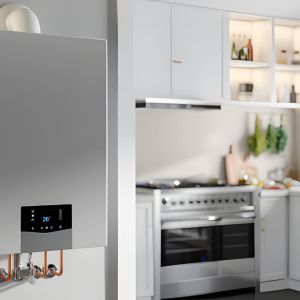
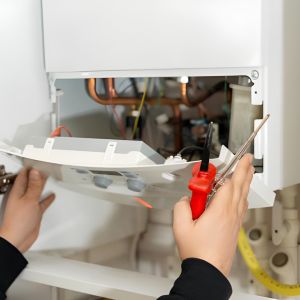
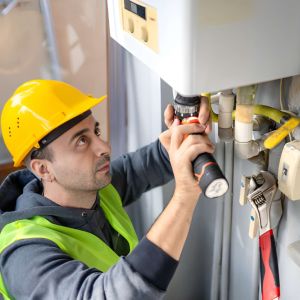
For ensuring safety, efficiency, and long-term performance, choosing the right type of boiler is something you cannot overlook. In case of any poor decisions at this stage, compliance issues are likely to take place along with higher costs and reduced comfort. During this step, an adequate understanding of boiler types, common mistakes, and the value of professional services is mandatory, as it helps property owners to make informed choices.
Property size, type, and existing heating infrastructure are all considered while making the right boiler choice. The optimal performance of the selected kind of boiler is ensured by a professional assessment.
It is common for boilers to fail, even the most reliable ones. Due to these kinds of sudden breakdowns, homes, commercial properties, or HMOs are left without heating and hot water.
Unqualified repairs or DIY attempts can worsen the situation. Therefore, professional emergency support is critical in order to ensure safety and avoid gas leaks and UK safety regulations violations.
It is important to always opt for professional boiler installation services due to the following reasons:
At Landlord Certificate London (LCL), we guarantee minimum stress when it comes to professional boiler installation services.
It is crucial to note that even small mistakes during boiler installation can lead to significant issues. Residents are prone to being left without hot water or unsatisfactory heating during peak demand, due to choosing the wrong boiler size. On the other hand, an oversized unit is likely to increase energy bills and waste fuel. Safety tends to get sacrificed due to flue and ventilation errors. This sacrifice leads to blockages and water damage caused by poorly routed condensate pipes. Furthermore, relying on unqualified installers puts you at a serious legal and financial risk.
The main purpose of Gas Safety regulations is not to add more to your plate but to protect your property and tenants. Adherence to UK building regulations is guaranteed through properly understanding these common mistakes.
Unique challenges are presented by London properties when we consider boiler maintenance and installation. Each type of property demands careful planning in order to guarantee safety, reliable heating, and efficiency.
Some of the key considerations are given as follows:
Space-saving boiler solutions are needed for compact flats.
Higher hot water capacity is demanded by HMOs and shared properties.
System and pipework upgrades may be needed in older buildings.
When we consider tight spaces, flue positioning is required to meet safety regulations.
Performance tends to be influenced by limited ventilation in converted properties.
The integration of new boilers with existing heating systems is mandatory.
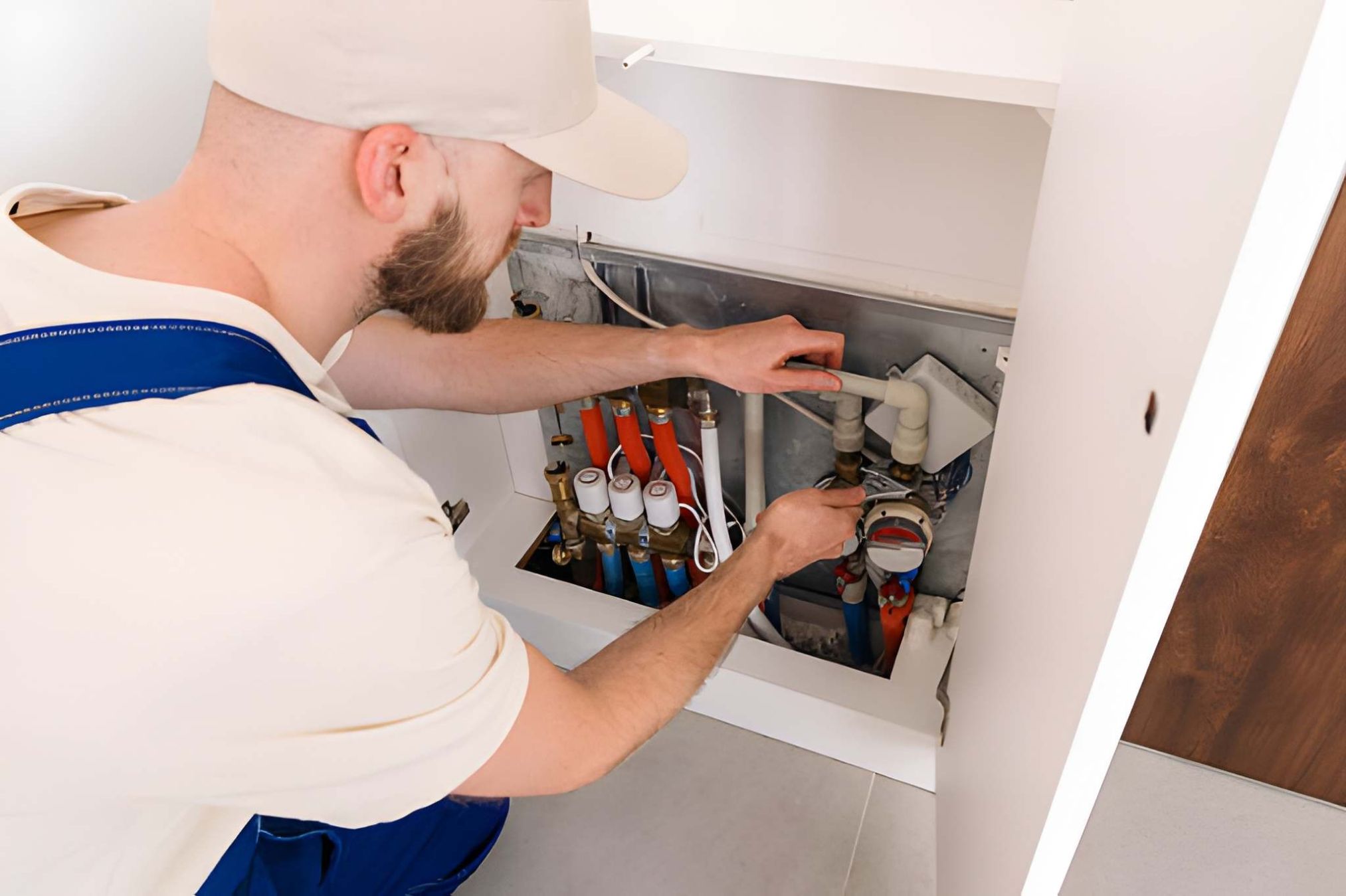
Reliable, Widely Available Fuel
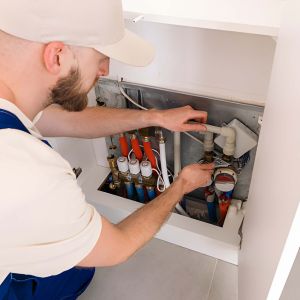 Natural gas is known for its cost-effectiveness and high efficiency and it is also the most commonly used in the UK for heating purposes. It is ideal for HMOs, homes, and commercial properties because of its consistent heat output feature.
Moreover, it is very common for gas to be supplied through main connections, which makes it a convenient choice for urban properties. It is mandatory to ensure safety, correct systems, and compliance through professional installations while opting for natural gas.
Flexible, Off-Grid Solution
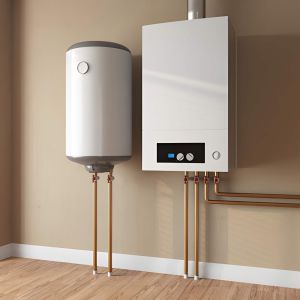
The portable fuel stored in tanks is known as LPG. LPG stands for Liquefied Petroleum Gas, and it is ideal for rural or off-grid properties. These types of areas don’t have ready access to main gas, so LPG is used as it provides a similar energy output to natural gas. LPG is a little more expensive as compared to main gas, but its flexibility and independence from the main supply justifies its cost.
In order to guarantee safe storage, compliance, and pressure regulation, professional installations are a need in this case as well.
Sustainable, Low-Carbon Alternatives
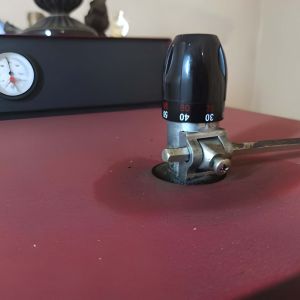
Fuels like biomass, heat pumps, and wood pellets are known as renewable fuels. These types of fuels are specifically designed to cater to properties that are energy efficiency-focused, and their aim is to reduce environmental impact. Biomass boilers are concerned with burning organic materials, and heat pumps are focused on extracting ambient heat from the ground or air, supplying low carbon-heating. For eco-conscious homeowners, developers, and landlords, these types of systems hold priority.
Boilers are assigned a rating, usually ranging from A to G, which is known as an energy efficiency rating. The purpose of this rating is to indicate how efficiently a boiler is converting fuel in to heat. An A rating signals a high-efficiency boiler. These kinds of boilers consume less fuel, offer substantial savings on energy bills, and reduce carbon emissions. A proper understanding of these ratings is needed in order to select a new boiler. This phenomenon helps with upfront installation costs and with long-term operational savings.
A high-efficiency boiler helps in improving the property’s overall comfort. This improvement is achieved by maintaining a consistent heating and hot water supply. Boilers with a low rating struggle to be energy efficient. Moreover, these kinds of low-rated boilers tend to lose heat and work harder in order to meet demand, leading to higher bills. Through a professional installation, peak efficiency, compatible controls, and optimal flow rates are ensured.
Furthermore, property value and efficiency ratings are closely linked as properties with efficient boilers appear to be more attractive to tenants and buyers.
In order to obtain safe and efficient boiler operations, proper management of condensate drainage and flue positioning is compulsory. The acidic water that is formed during combustion in a modern high-efficiency boiler is called condensate, and it is needed to be carefully removed through pipes. This process is important to avoid freezing, leaks, or blockages. On the other hand, flues are responsible for the safety venting of exhaust gases. These gases include carbon monoxide, and their removal from the property is essential. In case of blocked or poorly positioned flues, or poorly routed condensate pipes, serious safety hazards can take place. These hazards include boiler malfunctions, water damage, and carbon monoxide exposure.
The compliance of all flue and condensate systems is ensured by professional engineers. Picking out the right materials, making sure to position pipes and flues in an accessible manner, and conducting tests to confirm proper operation are all included in a professional check. Furthermore, effective condensate also plays a key role in enhancing boiler efficiency.
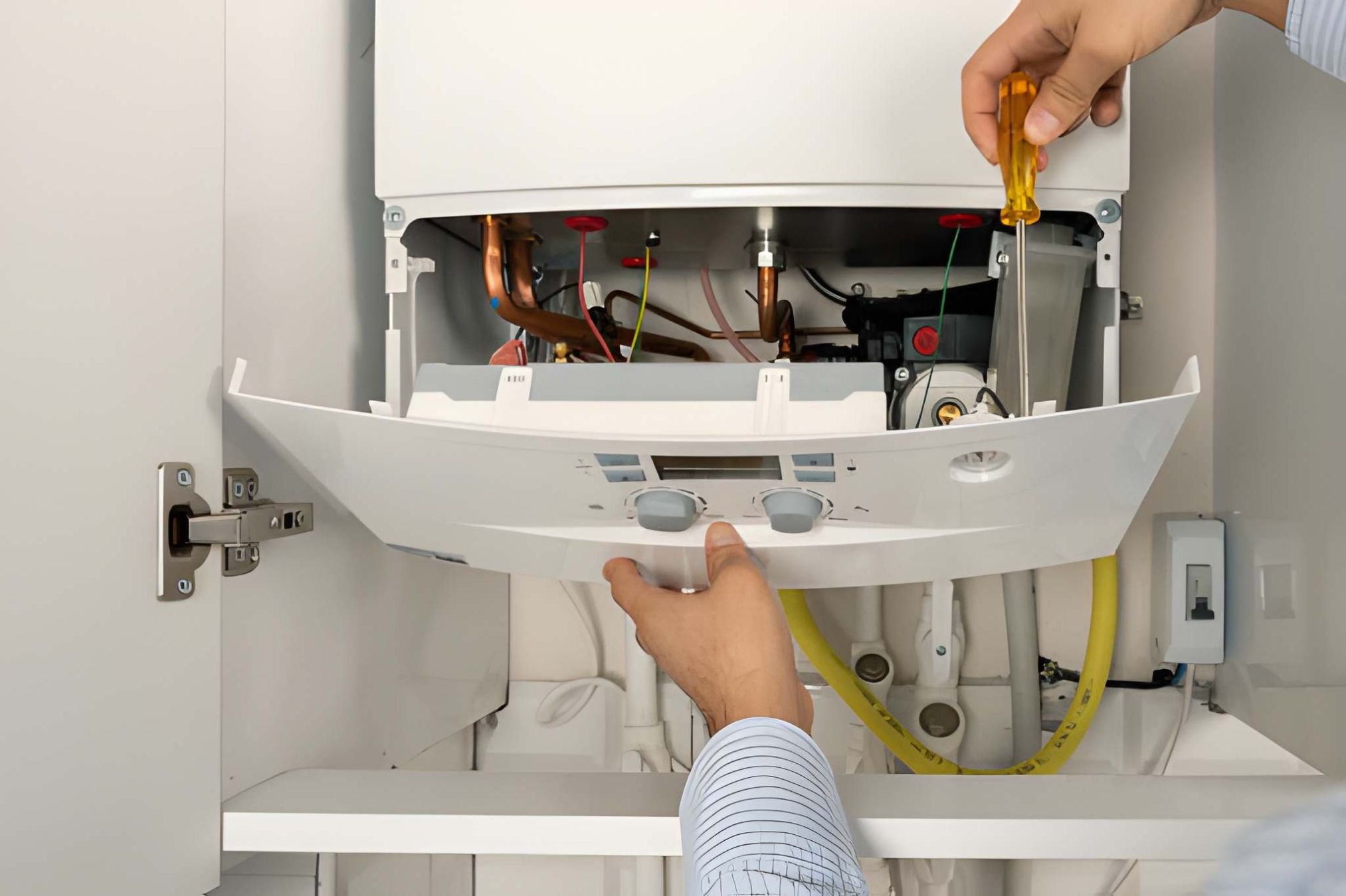

Is boiler installation legally required to be carried out by a professional?
Yes, it is mandatory to hire a Gas Safe registered engineer for any kind of boiler. It is legally forbidden to install a boiler without possessing proper certification. This negligence can result in negative consequences like voided insurance, fines, and serious safety risks in severe cases.
Can I install a boiler in a property that previously had no central heating?
Yes, but this is not counted as a replacement. This kind of alteration is considered a full system installation as it may require new radiators, pipework, ventilation, and controls. In order to guarantee compliance and feasibility, a professional assessment plays a crucial part.
Will a new boiler work with my existing radiators?
Most of the time, yes, but it is important to note that old boilers tend to be inefficient or incompatible with modern systems. Radiator condition and outputs are assessed by engineers to figure out whether any sorts of upgrades or balancing are needed for optimal performance.
What happens to my old boiler after replacement?
In accordance with waste and environmental regulations, the old boiler is carefully disconnected, removed, and disposed of. Safe handling of materials and gas connections is thoroughly inspected by professional installers.
How soon can a boiler be used after installation?
The boilers are safe to use once the installation, testing, and commissioning are complete. Guidance on controls, pressure levels, and safe operations is provided by reliable and registered engineers.
Is a new boiler installation noisy or disruptive?
In the case of boiler installations, some disruption is inevitable. The impact can be minimized in most cases by professional installers. This minimization takes place by isolating work areas and ensuring efficiency when it comes to task completion. Most of the time, downtime is planned, and arrangements are made accordingly.
Boiler installation is so much more than just a simple mechanical upgrade; it is an investment you make in order to ensure safety, efficiency, and satisfactory property performance in the long run. Reliable hot water, consistent heating, full compliance, and lower energy consumption are guaranteed by a properly installed boiler. Furthermore, it also plays a crucial role in ensuring peace of mind as a landlord or property manager.
Professional installations help eliminate risk and uncertainty during the entire installation process. Recurring faults, inefficiency, unnecessary costs, and safety hazards are the potential consequences of poor installations. If you are a landlord looking to ensure optimal performance from the very first day, opting for expert workmanship is the right move for you, as it has a direct impact on the comfort level, asset value, and operating cost of your property.

The formal recording and easy accessibility of all aspects of the boiler installation are ensured by proper documentation. Installation details, handover records, and commissioning records are all included in the documentation. All these components provide proof of the correct installation while simplifying property transactions.

The completion of the boiler installation by a qualified professional is ensured by proper certification. Moreover, it showcases your property’s compliance with the UK safety and building regulations. Thorough testing, commissioning, and approval are guaranteed by these certificates.

Ongoing compliance when it comes to regulatory requirements is demonstrated by compliance records. Servicing history, regulatory checks, and safety inspections are all included in these records. Through proper maintenance, you protect your property during audits or disputes.
£2499*
*Start From (Dependent Upon Make & Model)
*Appliance tested
*New Magna Filter Installed
*Existing System Chemically Washed
*Checking of the emergency control valve on gas meter
*Tightness test performed on gas meter to make sure there is no gas leak.
*£5 Parking charges are applicable in case of paid parking.
*£18 Congestion Charge applicable in case the property is in congestion charge zone
Excellent
Trustpilotabout 16 days ago
Great service
Booked gas, EICR and fire safety checks. Easy online booking, good communication from office team and engineer, arrived on time, friendly service, certificates issued promptly. Great service.
about 28 days ago
Very good process and available at…
Very good process and available at short notice.
about 17 days ago
Great company.
Prompt service. Excellent inspection. Competitive price.
about 22 days ago
Excellent service from start to finish
Excellent service from start to finish. The gas safety certificate and electrical certificate were completed professionally and efficiently. The engineer was punctual, polite and knowledgeable, and explained everything clearly. The whole process was smooth and the certificates were provided promptly. I would definitely recommend this company to other landlords and will use them again.”
about 22 days ago
Great service and really good value
Great service and really good value for money! I got an appointment for the next day, and the certificate was issued on the same day as the inspection. Everything was quick, easy and hassle-free. Definitely recommend!
about 22 days ago
I had a very positive experience with…
I had a very positive experience with this company. The service was professional, friendly, and efficient from start to finish. Communication was clear, and everything was handled exactly as promised.I’m very happy with the overall experience and would definitely recommend this company to anyone looking for reliable, professional service.