



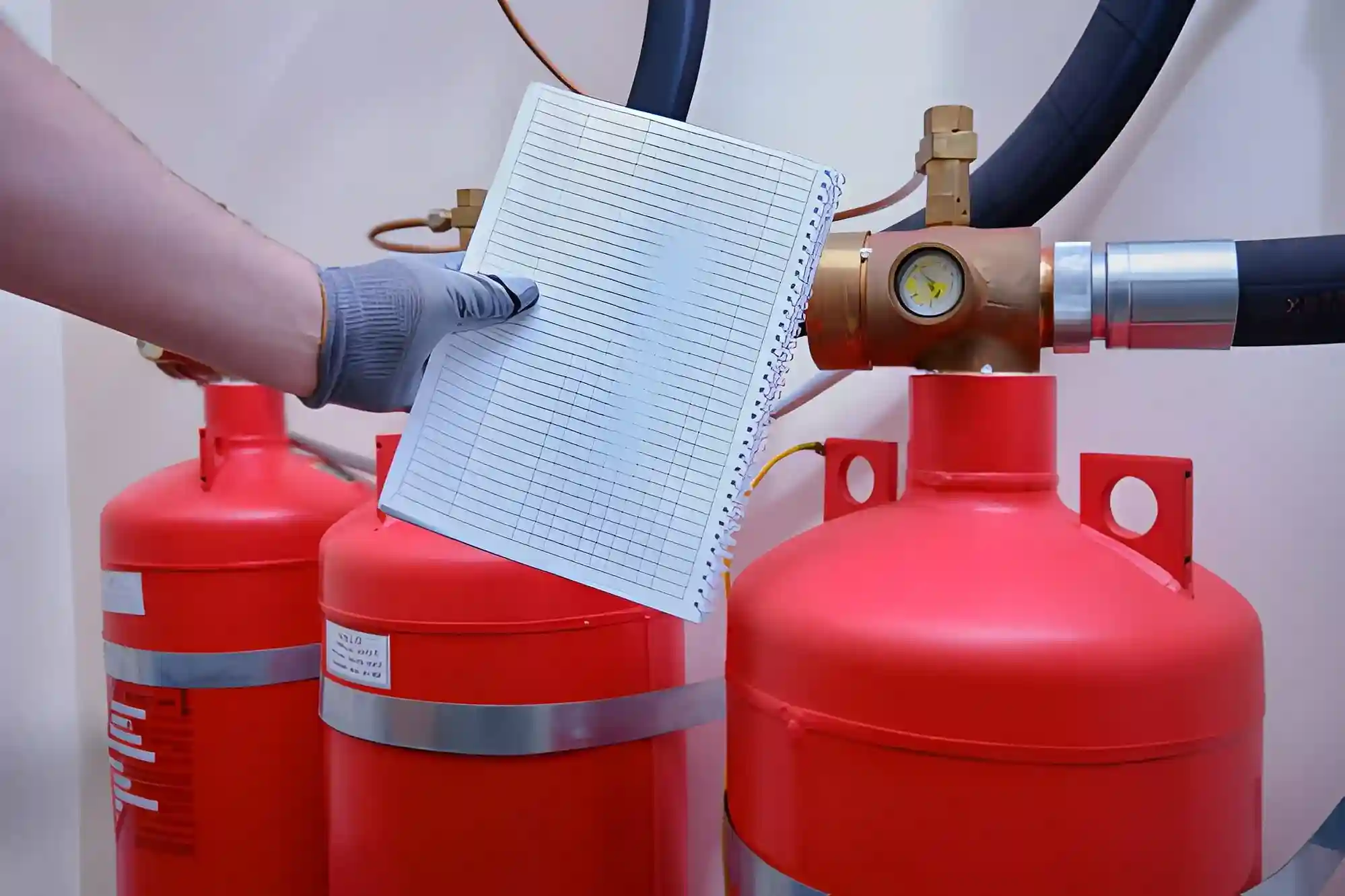
Fire safety report provide practical proof of compliance rather than acting as routine paperwork. Regulatory authorities provide written evidence to confirm that legal responsibilities receive proper attention. During inspections or investigations, documentation often receives review before physical conditions. Clear reporting helps demonstrate reasonable steps under fire safety law. Fire safety report also support internal decision-making. Recorded findings guide maintenance priorities, contractor tasks, and staff awareness. Consistent documentation reduces uncertainty. Fire safety compliance becomes easier to demonstrate when actions remain traceable and current. Reports also support communication between owners, managers, contractors, and consultants. Shared access to accurate records improves coordination and accountability. Insurers and investors often review fire safety to assess risk management standards. Strong documentation builds confidence and protects quality value. Fire safety report act as protective tools for occupants, property, and responsible persons. Evidence-based reporting strengthens legal position, supports operational planning, and confirms commitment to safety across all property types.
Key Takeaways
- Fire safety report help show that safety responsibilities are taken seriously and managed properly.
- Clear reports make inspections, audits, and reviews easier and less stressful.
- Written records help explain fire risks and show how those risks are controlled.
- Updated reports match real building conditions and reduce confusion or mistakes.
- Clear actions in reports help people know what needs fixing and when.
- Using the same reporting process supports effective safety management for several properties.
- Expert input improves accuracy and reduces the chance of missed risks.
- Good records help protect owners and managers during complaints or disputes.
- Fire safety supports safer spaces for residents, workers, and visitors.
- Fire safety works best when one person keeps clear responsibility and oversight.
When Does Fire Safety Become a Legal Safety Measure?
A fire safety report often becomes a key legal measure during disputes, investigations, or enforcement action. Authorities, Agents, and legal teams write records to measure responsibility and decision-making. A clear report shows that risks received proper review and control. Records provide evidence that appropriate actions were taken to save people and buildings. During disputes involving incidents, complaints, or claims, records often carry more weight than verbal explanations. Landlords benefit from documented evidence that responsibilities were addressed across common areas and shared systems. Agents gain protection when responsibilities and actions remain clearly recorded. Property owners’ reports to show oversight, planning, and follow-up. Courts and regulators often measure timelines, actions, and review cycles. A fire safety report provides that clarity. Reports that reflect actual conditions reduce uncertainty and conflicting claims. Clear records also support defense against allegations of inattention or inaction. Agents often review the fire safety during claim assessment. Well-maintained documentation reduces dispute length and complexity. Fire safety reports act as protective tools that support accountability, transparency, and legal confidence across all property roles.
What Do Inspectors Actually Review Inside a Fire Safety Report?
Inspectors focus less on length and more on clarity, accuracy, and evidence. A fire safety report receives review as a working document rather than a checklist copy. Inspectors usually start with risk understanding. Recorded hazards must match the actual building layout and use. Clear descriptions show awareness and site knowledge. Attention then moves to control measures. Inspectors check whether actions directly address identified risks. Missing links between risk and controls often signal weak management. Dates and responsibilities also matter. Inspectors expect to see who completed actions. Records receive close attention next. Maintenance logs, alarm test results, and inspection notes must align with stated controls. Gaps between records and claims often lead to further investigation. Inspectors also compare documented escape routes, fire doors, and detection systems against physical conditions on site. Inspectors look for evidence of updates after changes such as renovation, occupancy shifts, or incidents. Reports that remain static over long periods raise concern. Professional input also supports credibility. Reports supported by qualified contractors or consultants often show higher accuracy. Inspectors ultimately assess reliability. A fire safety report must reflect reality, support decisions, and prove ongoing control rather than one-time compliance.
What Role Does a Fire Safety Checklist Play in Every Reliable Report?
A reliable fire safety report depends on a structured checklist that guides assessment and review. The checklist works as a control framework rather than a simple task list. Each checkpoint reminder focused review of real conditions across the buildings. Consistent structure helps prevent missed risks and overlooked actions. Checklists support accuracy by directing attention to critical risk areas. Explosion sources, escape routes, detection systems, and fire doors receive a systematic review. Documentation quality improves when each item links to evidence and follow-up actions. Clear checkpoints reduce reliance on memory or assumption. A checklist also strengthens consistency across sites. Properties under shared management follow the same review logic. Gaps appear faster during audits and internal reviews. Inspectors often recognize checklist-based reports through clarity and traceability. Actions appear linked to risks. Completion dates and responsibility remain visible. Updates after changes become easier to track. Staff changes or contractor rotation do not disrupt safety oversight. The framework remains stable even when people change. Reliable reporting depends on a repeatable process. A fire safety checklist provides structure and supports long-term compliance confidence.

How Do Fire Safety Reports Reduce Risk Across Property Portfolios?
Fire safety report help control risk across large property portfolios by creating consistency and visibility. Property managers and housing associations often oversee buildings with different layouts and uses. Standardized reporting supports uniform safety expectations across all sites. Clear documentation makes risk comparison easier and highlights priority areas. Reports support proactive management. Identified issues receive tracking until completion. Patterns across properties become visible through review. Repeated faults, such as fire door defects or alarm failures, appear quickly. Early detection reduces the increase and disruption. Fire safety reports also improve accountability. Assigned responsibilities remain recorded. Review dates remain visible. Teams and contractors work from the same information. Confusion reduces when expectations remain clear. Portfolio-level oversight benefits from reliable data. Reports provide evidence during inspections and funding reviews. Insurers and regulators often request documentation across multiple sites. Consistent reports reduce response time and improve confidence.
Housing associations benefit from resident safety assurance. Clear records support communication and trust. Fire safety report reduce risk not only through compliance but through structured control, transparency, and informed decision-making across every managed property.
How Do Fire Safety Findings Turn into Clear, Prioritized Actions?
Fire safety findings only add value when they lead to action. Effective reports move beyond assessment and focus on outcomes. Each identified issue must link to a clear task. Priority levels help separate urgent risks from routine improvements. Life safety concerns require immediate attention. Lower-risk items follow planned schedules. Clear actions reduce delay. Tasks should state what needs correction. Vague notes often cause confusion and inaction. Defined timeframes support progress tracking and accountability. Prioritization helps manage resources. High-risk issues such as blocked escape routes or faulty alarms demand rapid resolution. Medium-risk issues require planned correction. Low-risk items can align with maintenance cycles. Structured prioritization prevents critical risks from being lost among minor observations. Action tracking also supports review. Completed tasks should receive confirmation and a record update. Outstanding actions remain visible until closure. Inspectors and auditors often focus on follow-through rather than identification. Fire safety reports achieve real impact when findings drive improvement. Clear priorities, defined responsibilities, and tracked completion transform observations into safer conditions across properties.
When and Why Should Fire Safety Be Revisited?
Fire safety report require regular attention to remain effective. A report reflects conditions at a specific point in time. Buildings, occupants, and operations rarely remain static. Regular revisit ensures accuracy and relevance. Scheduled reassessment supports reliability. An annual review often suits stable environments. High-occupancy or complex buildings benefit from more frequent attention. Routine checks between formal updates help identify emerging issues early. Change often triggers the need for an immediate update. Renovation work can alter escape routes or compartmentation. New tenants or operational changes affect risk levels. Device upgrades and system modifications also require record alignment. Incident feedback highlights weaknesses that demand correction. Revisiting reports also supports accountability. Updated actions confirm progress. Closed items show control. Inspectors and insurers often focus on how reports evolve rather than how often they exist.
Fire safety protects people and property only when they reflect reality. Regular attention ensures documentation supports decisions, guides maintenance, and proves responsible management over time.
How Can Fire Safety Reports Support Sales, Lettings, and Audits?
Fire safety report a practical role during sales, lettings, and audit activity. Transactional processes often require clear evidence of compliance before agreements progress. A current report helps demonstrate responsible management and reduces uncertainty for all parties. During property sales, buyers and advisors review safety records as part of due diligence. Clear documentation supports valuation confidence and reduces cooperation delays. Sellers benefit from transparency and reduced post-completion dispute risk. Lettings activity also relies on compliance evidence. Commercial tenants often request confirmation of fire safety arrangements before occupation. Landlords and agents use reports to show readiness and meet lease conditions. Clear records support faster onboarding and smoother handover. Audits place a strong focus on documentation. Internal teams, regulators, and insurers review reports to assess control quality. Consistent structure and clear action tracking improve audit outcomes and reduce follow-up requests. Fire safety reports support transactional efficiency. Clear records protect value, support trust, and demonstrate operational readiness. Reliable documentation strengthens confidence across commercial, residential, and mixed-use property activity.
What Do Professionals Look for in a Fire Safety Report?
Professionals assess fire safety checklists through a practical and technical lens. Electricians focus on clarity around electrical risk. Fixed wiring condition, load management, and inspection outcomes must appear clearly recorded. References to testing evidence support confidence and guide corrective work. Safety consultants review structure and reasoning. Risk identification should link directly to control measures. Assumptions without explanation raise concern. Consultants also examine prioritization logic to confirm that higher risks receive stronger control. Compliance teams look for traceability. Actions must show ownership, timeframes, and completion status. Review history demonstrates oversight and governance. Gaps between findings and action often trigger internal increase. Professionals also measure alignment with site conditions. Reports should match layout, use, and occupancy. Clear language supports shared understanding across teams and contractors. Fire safety reports gain professional trust when accuracy, evidence, and accountability remain visible. Clear documentation supports collaboration, efficient correction, and defensible compliance decisions across technical and management roles.
Fire Safety Checklist Explained for Non-Technical Property Owners
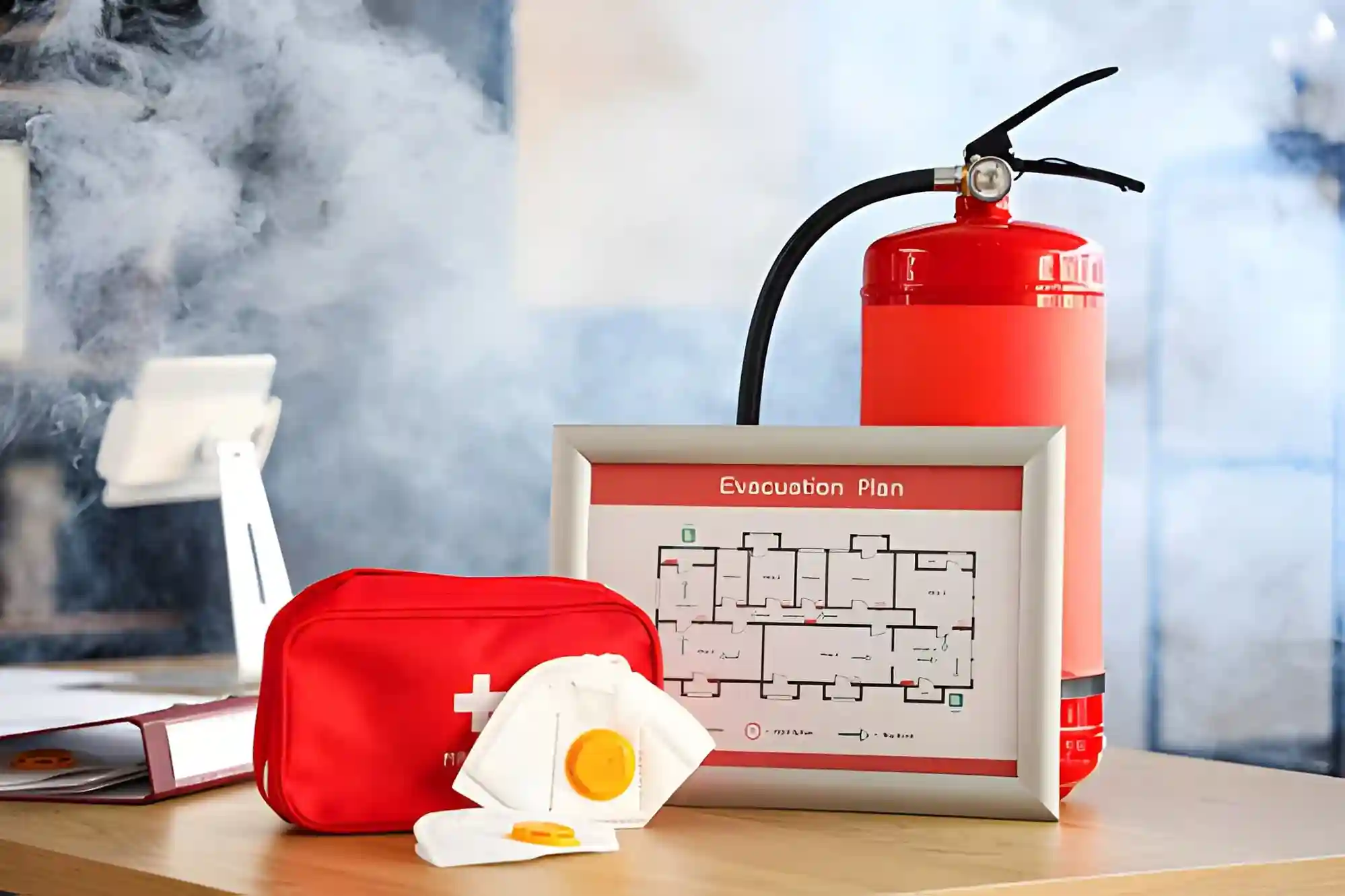
Fire safety reports help show that a building remains safe for people who live, work, or visit. The report explains where fire risks exist and what steps control those risks. The purpose involves clear records rather than technical detail. Property owners use reports to show responsibility and care. A fire safety report highlights important safety features. Fire alarms, escape routes, fire doors, and emergency lighting appear clearly described. Any problems are also listed with actions required. The report shows what needs attention and what already meets safety expectations. Reports also help during inspections or questions from agents. Clear documents reduce confusion and support faster decisions. Property owners can rely on reports to track repairs and maintenance without expert knowledge. Regular updates keep reports useful. Changes to the building or occupancy affect safety. Updated records help prevent missed risks. The Fire safety act as a practical guide rather than a complex manual.
Plain language reporting supports understanding and confidence. Fire safety helps property owners meet requirements, protect occupants, and manage safety without a technical burden.
Frequently Asked Questions
Clear actions help people understand what needs correction. Specific tasks reduce delay and confusion.
Outdated records create gaps between paperwork and reality. Such gaps often cause problems during inspections or disputes.
The person with day-to-day control of the building usually manages updates. Support from contractors or advisors helps maintain accuracy.
Reports provide a reference point after renovation or tenant change. Updates help confirm that safety measures still work as intended.
Consistent records allow easier comparison and better oversight. Patterns and recurring issues become visible faster.
Conclusion
Fire safety report play a central role in responsible property management. Clear documentation supports safety, compliance, and accountability across all property types. Reports help identify risk, guide action, and provide reliable evidence during inspections, audits, and transactions. Regular attention keeps records accurate and useful. Structured reporting supports better decisions and reduces uncertainty. Fire safety report occupants, property value, and legal position. Consistent use strengthens trust with regulators, agents, and stakeholders. Fire safety remains an ongoing responsibility. Well-prepared reports help meet that responsibility with clarity and confidence.
About the Author: LandlordCertificate

Related Posts

Get Social
Recent Posts
- Residential EICR London: Complete Electrical Safety Inspection Guide for Landlords & Homeowners
- Property Owners and Landlords Across London
- Emergency Lighting Assessment Failure Signs: 4 Critical Indicators Your System Needs Immediate Attention
- Annual Fire Alarm Inspection Checklist and Industrial Facility Solutions Safety Plan: 5-Step Shield
- Fuse Box Installation by a Certified Fuse Box Electrician for Circuit Failures and Safety Control