




Your Content A clear safety blueprint starts with a structured fire risk assessment. Rising fire threats create pressure on every building to accept a strict method. A strong plan sets a stable foundation. A sharp focus on risk creates clarity for all occupants. A growing number of incidents show sharp increases in property loss. Reports from safety regulators highlight notable spikes. Public records confirm frequent explosion sources in commercial structures. A direct plan rushes support to vulnerable points. A careful method creates a path that stays firm under pressure. An FRA report forms the anchor of a safety blueprint. Detailed findings outline risks that require strict control. A clear layout offers guidance for responsible teams. Structured notes help every department act with purpose. A focused approach shapes better decisions. A complete fire risk assessment supports steady prevention. Officials note strong gains in safety performance after strict checks. Data from national regulators show marked declines in escape failures. Each inspection guides teams toward stronger practices. A defined method aligns devices, alarms, and routes. A safety blueprint stands as the central pillar of building protection. A direct plan shields property, occupants, and assets. A strong framework ensures a fast response during emergencies. A steady path keeps risks in check.
Key Takeaways
- Strong safety grows through fixed attention and clear communication
- Regular reviews improve awareness and cut avoidable weaknesses
- Clear evacuation plans guide fast movement during urgent moments
- Reliable device upkeep supports solid readiness
- Detailed training sessions build confidence and calm action
- Transparent documentation supports smooth audits and firm accountability
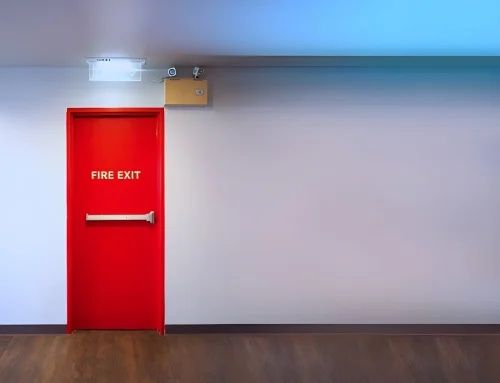
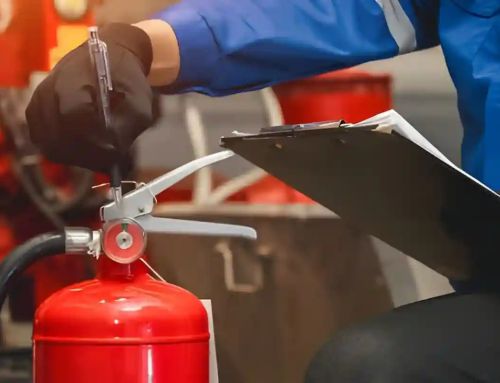
- Periodic checks of fire doors, alarms, and extinguishers maintain trust and resilience
- Early risk identification supports better planning and resource control
- Tailored safety strategies strengthen long-term resilience and faster decisions
- Strong collaboration between managers, maintenance teams, and safety professionals creates a unified protective approach
What Makes Fire Risk Assessment Different Today?
Current safety demands shift fast. New regulations appear in many sectors and place fresh pressure on every structure owner. A fire risk assessment now must address complex design features, novel insulation types, and varied occupancy patterns that look far different from older setups. A structure may host dense crowds at one moment and small groups at another. That pattern creates a distinct risk that requires careful review. A fire risk assessment helps an operator understand how each pattern affects flame spread, exit access, and alert systems.
Strong data from national safety authorities notes a sharp rise in interior gas loads across commercial structures. A single spark can move across dense interiors in a short time. A fire risk assessment report must reflect that shift. It must also reflect the flow in electrical devices that fill retail halls, cultural venues, or corporate suites. Recent surveys show a notable increase in electrical faults across office structures, and that trend proves the need for an updated approach. A traditional approach once focused mainly on visible risk. New threats now demand deeper analysis of concealed voids, synthetic insulation layers, and heat transfer paths. An updated approach gives an operator clearer control over all fire safety assessments and supports stronger protection across every structure.
The Essential Pillars of an Effective Fire Risk Assessment
An effective fire risk assessment rests on clear pillars that support a strong safety blueprint. Risk visibility forms the first pillar and allows early recognition of heat sources or gas sources. Simple examples include exposed wiring or overloaded outlets that demand fast action. People protection forms the next pillar and focuses on safe paths, clear exits, and reliable alerts that guide occupants toward secure regions. System reliability forms another pillar and covers alarms, pumps, and suppression systems that function without failure. Emergency readiness forms a further pillar and depends on drills, clear instructions, and rapid coordination that prevent confusion during critical moments. Constant review forms the final pillar and keeps all measures aligned with updated conditions or a new device. A fire risk check report forms a helpful guide that aligns all pillars in a single, structured document. Practical examples include checked alarms, cleared escape paths, and tested suppression systems placed across a site. Strong alignment across all pillars strengthens overall safety and creates a dependable foundation for every fire risk assessment plan across all building types.
Fire Risk Profiles: Understanding Your Building’s Unique Risk Level
It sets a clear foundation when a structure follows a defined fire profile. Fire profiles help an owner grasp how threats shift across different settings. Fire risk assessment methods place a structure into low, moderate, or high-risk categories. Fire profiles guide safer decisions without complex language. A structure with robust materials often falls into a low-risk group. Many factors push a building toward a moderate profile when mixed activities create unpredictable conditions. Risk levels rise in complex layouts where heat sources sit near vulnerable sections. An assessment highlights how occupancy patterns shape threat levels. Each category reflects structural limits and device status. Factors linked to layout offer strong signals about exposure strength. A layout packed with machines or storage racks increases the chance of rapid flame spread. A clear profile directs attention toward reliable upgrades and procedural controls. An informed plan grows stronger when system checks remain consistent. A fire risk assessment report strengthens awareness across teams. Fire risk assessment insights allow a structure to advance toward safer standards without unnecessary strain on resources.
Sector-Specific Fire Safety Pressures Across Key Settings
Sector profiles reveal distinct patterns that guide safer planning across varied environments. Residential settings and HMOs face electrical overload risks from clustered appliances, dense storage pressure, and restricted escape paths created by close layouts. A single overloaded socket can spark a chain of failures, so residents depend on clear spacing and suitable outlet use. Retail and commercial sites confront unpredictable visitor movement, mixed utility setups, and frequent stock shifts that alter internal flow. Healthcare and care homes present heightened sensitivity because vulnerable occupants require steady support, steady device function, and swift coordination. Medical tools demand accurate checks, and staff members require direct guidance during any alert. Hospitality venues and hotels face challenges tied to busy kitchens, rapid temperature shifts, and guests unfamiliar with internal paths. A blocked corridor or unattended appliance can increase the risk of an event before staff react. A single property layout rarely aligns with another, so sector traits shape every precaution plan. Each environment relies on structured awareness, steady maintenance routines, and reliable internal communication. Sector traits also shift as new device enters a site or as occupancy patterns evolve. Consistent reviews strengthen system integrity and reduce weak points that remain unnoticed under normal conditions. A focused plan delivers clearer decision routes, reduces confusion, and supports protective actions for all occupants. Sector comparison encourages sharper findings, sharper awareness, and stronger confidence during urgent events.
What Is the Most Overlooked Fire Risk in Current Structures?
A clear focus on hidden threats strengthens any fire risk assessment and builds a safer path for every structure. Many environments contain flaws that escape attention, and each flaw can undermine essential safety goals. A compromised fire door creates a direct path for heat and smoke, and a simple example involves a door propped open during routine activity. An unmaintained alarm or extinguisher weakens the foundation of fire safety assessments because the device may fail at a critical moment. A blocked escape route creates confusion during urgent movement, and clutter near corridors or exits often causes that barrier. Poor signage visibility limits safe guidance, and a faded sign in a dim corridor demonstrates that problem in a clear manner. Staff without real emergency training cannot respond with confidence, and uncertainty slows vital actions. A thorough fire risk assessment offers structure for each concern and strengthens overall resilience. A fire safety assessment strategy also supports consistent checks that keep essential systems in strong condition. A fire risk assessment report then provides a framework for upgrades that shield occupants from avoidable danger. Every overlooked risk keeps the potential to increase, and strong attention to detail limits that risk across a wide range of structural environments.

Turning Assessment Results into Real Safety Improvements
A clear fire risk assessment report often highlights urgent weaknesses across structures and systems, so a focused plan must follow. A structured priority list helps decision-makers act fast because high-impact risks demand early attention. A practical timeline then supports steady progress, as each stage gains clarity through defined roles and measurable checkpoints. A simple sequence works well when planners group risk based on chance, scale of harm, and operational disruption. A corrective schedule then supports consistent action because teams can address upgrades without confusion. A transparent record also improves accountability as each innovation reflects genuine advancement rather than assumptions. A well-planned budget then establishes momentum since protection upgrades depend on reliable financial allocation. A compact investment plan can cover essential elements such as detectors, alarm panels, exit hardware, and passive barriers. A practical example involves a structure that lacks reliable alarms, weak compartmentation, and outdated evacuation aids. A clear order directs attention first to detection gaps, then to structural barriers, and finally to procedural refinements. A structured review then prevents risk increase because conditions evolve and new vulnerabilities emerge across facility operations.
Technology That Enhances Fire Risk Assessments
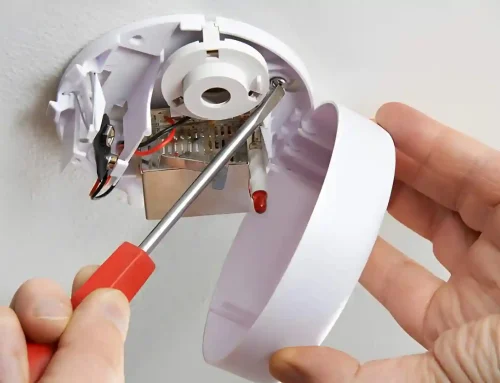
Digital solutions now guide safer decisions in many structures. Smart smoke sensors react fast to rising heat patterns and send alerts without delays. A fire risk assessment report gains clear detail when each device records data with consistent precision. Cloud-based safety documentation assists teams that require instant access to relevant files. Remote monitoring systems also track critical devices at all hours and reduce gaps in vital checks. Smart sensors offer rapid detection because each unit scans its region for sudden shifts in smoke concentration. Digital building surveys capture structural layouts in high resolution and highlight blind spots that might hide explosion threats. Cloud platforms store emergency logs and update safety notes without long manual processes. Remote dashboards present real-time readings from alarms, detectors, and extinguishers. Teams strengthen safety responses when technology supports early insight. A structure gains stronger protection when digital surveillance aligns with clear communication protocols. Faster alerts prevent delays in evacuation decisions. Automated logs reduce human errors and keep essential records accessible. A fire risk assessment gains deeper insight when every device contributes reliable data. A safer environment becomes more achievable when device works together with consistent accuracy.
How Often Should You Refresh Your Fire Risk Assessment?
Regular attention to a fire risk assessment supports a safer environment. Legal guidance sets a minimum expectation, yet best practice often demands a tighter measure. A review cycle gains value once building functions evolve. Renovation changes internal layouts and creates fresh explosion points. A structured review pattern creates clarity. Annual reflection offers a baseline that aligns with widely accepted professional guidance, even though rules may vary across sectors. A shorter interval strengthens resilience when high-occupancy patterns change. A simple log of maintenance work, system checks, and device updates can guide reassessment timing. Life cycle events always demand an immediate refresh. Renovation projects reshape escape routes. New tenants alter operational routines. Fault reports show gaps in system performance. Such events trigger a renewed look at risk, control measures, and emergency protocols.
A refreshed fire risk brings several advantages. It validates the accuracy of an FRA report. It supports stronger fire safety assessments across all operational functions. It improves readiness through clearer action points that prevent outdated assumptions from weakening protection efforts.
Frequently Asked Questions
A clear requirement exists under national fire regulations. An assessment provides a structured view of risk, safe routes, device status, and staff readiness. Law officers often request the final document during inspections.
A typical assessment follows a direct process. Timeframes depend on building size, occupancy patterns, and device condition. Simple layouts often need a short site review, while complex structures demand a deeper survey. An assessor will outline the expected duration after an initial briefing.
Key documents include maintenance logs, device test records, evacuation plans, structural drawings, and any prior fire safety assessments. Clear documentation helps an assessor confirm system reliability, risk control measures, and past corrective actions.
A designated responsible person oversees checks, updates, training, and overall control measures. That role may sit with an owner, manager, or authorized representative. Accountability ensures consistent monitoring, quick action on identified risks, and alignment with legal requirements.
An assessor usually identifies risks that demand fast action. The responsible party must address those items without delay. An urgent risk is often linked to faults in the device or escape routes. A clear plan then guides the corrective actions, supported by accurate documentation.
Conclusion
A fire risk assessment offers a structured view of risk, yet real progress emerges when findings guide consistent improvement. A proactive mindset supports safer routines, sharper awareness, and dependable response patterns across a building’s daily operations. A single document cannot shield a site forever, so constant attention becomes vital. A fresh look at conditions, device integrity, and staff capability strengthens every safe. Frequent dialogue about potential threats builds steady confidence across teams. A site gains resilience when leaders treat safety as an essential value rather than a regulatory demand. An assessment shapes a baseline, yet continuous reflection pushes standards higher. Small adjustments often create strong advantages, such as clear escape paths, reliable alarms, and decisive staff action under pressure. Evidence from national fire services shows that locations with active appointment experience significantly fewer incidents, which highlights the value of ongoing commitment. A safer future grows from repeated effort, honest evaluation, and responsive planning. A compliant building only meets minimum expectations, yet a safety-driven building sets goals for excellence. A collective recruit to improvement offers long-term security for every occupant across every environment.
About the Author: Atia Amin
Related Posts
Get Social
Recent Posts
- Gas Safety Certificates: A Complete Guide for Property Professionals
- Fire Risk Assessment: Why Every Building Needs a Safety Blueprint
- Fire Safety Inspection: Ensuring Your Property is Safe
- Fire Safety Service Misconceptions That Put Landlords at Risk in the UK
- Compliance value of asbestos management survey