



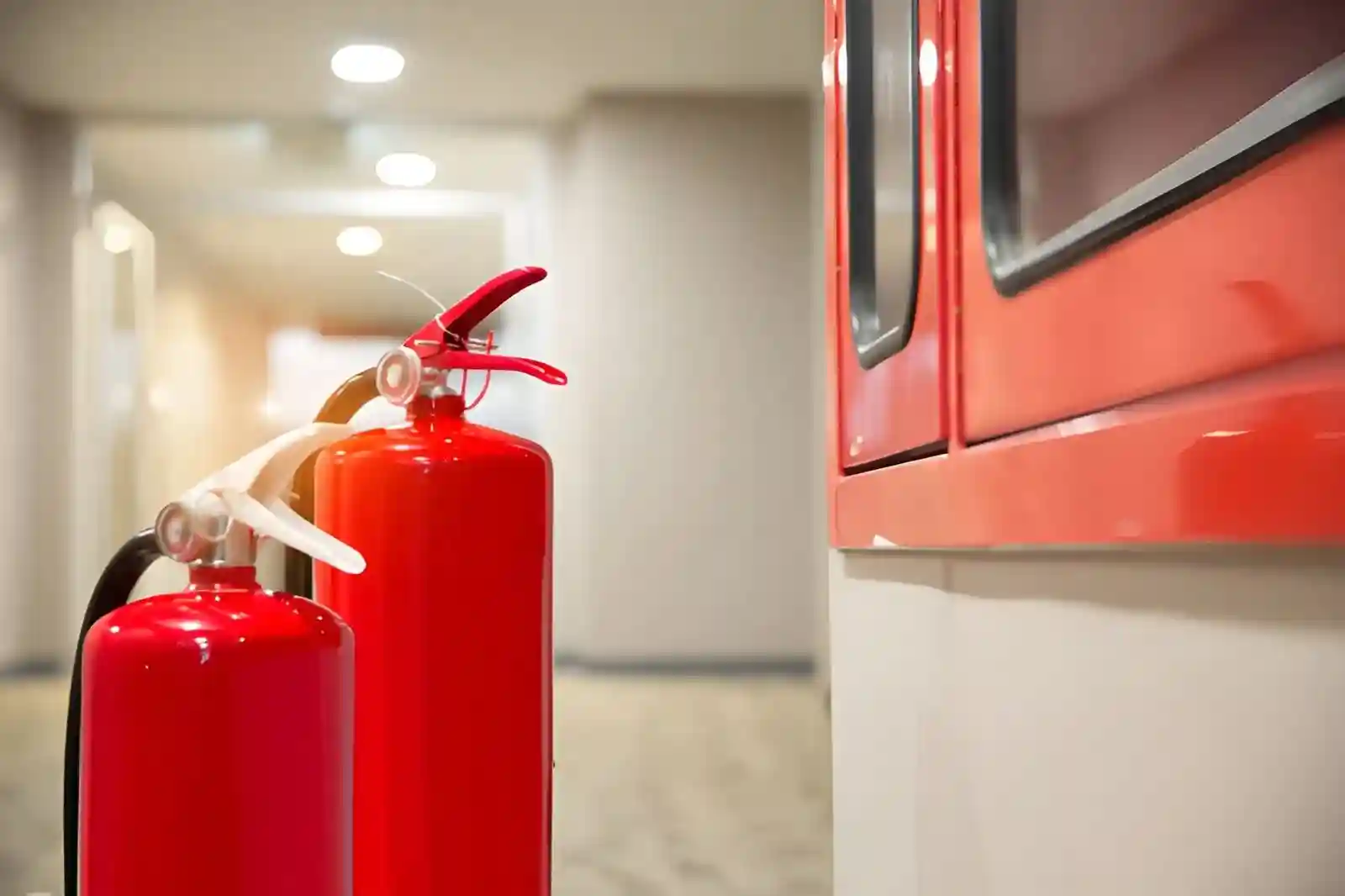
Keeping a rental property safe is not simply about putting a smoke alarm on the ceiling and forgetting about it. Fire safety needs regular attention, especially in flats, HMOs and buildings with shared areas. The right fire safety checks can help landlords notice small problems before they turn into serious ones.
London properties also vary considerably. An older converted house may have very different risks from a purpose-built block of flats or a mixed-use property. For this reason, landlords should look at the building as a whole instead of relying on one certificate or a single annual visit.
What Should Landlords Check for Fire Safety?
Good fire safety checks should focus on early warning, safe escape and preventing smoke or fire from spreading through the building.
The exact legal duties depend on the type of property, how it is occupied and who has control of the common areas. Under the Regulatory Reform (Fire Safety) Order 2005, responsible persons must carry out a suitable and sufficient fire risk assessment where the legislation applies.
1. Check Smoke and Heat Alarms
Start with the basics.
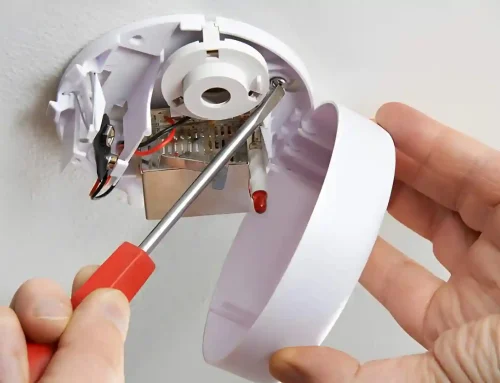
Check that alarms are in the correct locations, working properly and have not been damaged, covered or disconnected.
Landlords should also make sure that the alarms required for the property are working at the beginning of a new tenancy. London Fire Brigade provides useful guidance for private rented sector landlords on alarm provision and general fire precautions. London Fire Brigade landlord fire safety guidance
If the existing system needs replacing or upgrading, landlords can also arrange professional Fire Alarm Installation through Landlord Certificate London.
2. Look Closely at Fire Doors
A fire door may look like an ordinary door, but its job during a fire is extremely important. It helps slow down the movement of fire and smoke and protects escape routes.
Routine fire safety checks should look for obvious problems such as:
- a door that does not close fully
- damaged hinges or frames
- defective self-closing devices
- damaged seals
- doors being wedged open
- visible gaps or damage
Fire doors are particularly important around communal corridors, staircases and flat entrances where applicable. London Fire Brigade explains that fire doors help create a barrier against fire and toxic smoke.
Landlords who need a more detailed inspection can arrange a Fire Door Certificate and inspection.
3. Keep Escape Routes Clear
Walk through the property as if you needed to leave quickly during an emergency.
Are corridors clear? Can doors open properly? Are stairways being used for storage?
Boxes, bicycles, pushchairs, rubbish and furniture in communal areas can make evacuation harder and may add combustible material to an escape route.
London Fire Brigade specifically advises that communal corridors and staircases in blocks of flats should remain free from clutter.
Landlords and managing agents should also make sure residents understand the evacuation arrangements for their building. The correct strategy can differ from one building to another.
4. Do Not Ignore Electrical Problems
Damaged electrics should never become part of the background.
A cracked socket, signs of overheating, loose accessories, damaged cables or poorly completed alterations may indicate a problem that needs further investigation.
Visual fire safety checks can help identify obvious concerns, but they do not replace a proper electrical inspection when one is required.
Landlords can arrange an Electrical Installation Condition Report (EICR) to check the condition of the fixed electrical installation and identify defects that may require attention.
5. Review the Fire Risk Assessment
For premises covered by the Fire Safety Order, the responsible person has a duty to complete a suitable and sufficient fire risk assessment. This includes many non-domestic premises and the relevant common parts of multi-occupied residential buildings.
A proper assessment looks further than obvious hazards. It considers matters such as:
- sources of ignition
- people who may be at risk
- escape routes
- fire doors
- warning systems
- existing fire precautions
- management arrangements
- actions needed to reduce risk
Landlord Certificate London provides professional Fire Risk Assessment services for landlords, property managers and businesses across London.
Why Regular Checks Matter
A property does not stay exactly the same throughout the year.
A tenant may begin storing items in a hallway. A fire door closer may become loose. An alarm can develop a fault. Contractors may make alterations that affect walls, doors or service penetrations.
That is why fire safety checks should not be treated as something that is completed once and forgotten.
A simple inspection routine makes it easier to spot changes early and arrange repairs before a minor defect develops into a bigger problem.
The Fire Safety (England) Regulations 2022 also introduced additional responsibilities for responsible persons in certain residential buildings. These include duties concerning resident information, fire doors and additional measures for particular building types. GOV.UK Fire Safety (England) Regulations 2022 guidance
A Simple Fire Safety Routine for Landlords
Property safety does not always need to be complicated.
Build these basic steps into normal property management:
- Keep corridors and escape routes clear.
- Check alarms and arrange testing where required.
- Look for damaged or poorly closing fire doors.
- Deal with electrical faults promptly.
- Keep records of inspections and repairs.
- Review risk assessments after significant changes.
- Give residents clear fire safety information.
- Follow up on recommendations instead of leaving them unresolved.
These fire safety checks are much easier to manage when they form part of routine property maintenance rather than being left until something goes wrong.
Common Fire Safety Mistakes Landlords Should Avoid
One of the biggest mistakes is assuming that having one certificate means nothing else needs attention.
Fire safety relies on several systems working together.
A perfectly good alarm cannot keep an escape route clear. A new fire door cannot help if someone continually wedges it open. An old electrical defect does not become safer simply because it has been there for several months.
Another mistake is copying the safety arrangements from another property.
A three-storey HMO, a purpose-built flat, a shop with accommodation above and a small single-family rental can all have different risks and responsibilities.
The safety arrangements should match the actual property.
When Should You Arrange Professional Help?
Professional advice is particularly useful when managing:
- HMOs
- blocks of flats
- communal areas
- commercial premises
- mixed-use buildings
- properties following significant refurbishment
- buildings where the layout or use has changed
It is also sensible to arrange a review when previous safety measures are damaged, outdated or no longer suitable.
Regular fire safety checks support good day-to-day property management, but they should work alongside the correct professional assessments, inspections and maintenance required for the property.
Final Thoughts
Good fire safety usually comes down to consistent attention.
Working alarms, clear escape routes, properly maintained fire doors and safe electrical installations all contribute to a safer building. Keeping fire safety checks within your normal property routine makes it easier to identify problems early, keep proper records and arrange corrective work when needed.
Landlord Certificate London provides fire risk assessments, fire door inspections, fire alarm services, EICRs and other landlord compliance services across London.
Need an inspection for your property? Book your property safety inspection online or speak with the Landlord Certificate London team.
About the Author: LandlordCertificate

Related Posts
Get Social
Recent Posts
- Emergency Lighting Assessment Failure Signs: 4 Critical Indicators Your System Needs Immediate Attention
- Annual Fire Alarm Inspection Checklist and Industrial Facility Solutions Safety Plan: 5-Step Shield
- Fuse Box Installation by a Certified Fuse Box Electrician for Circuit Failures and Safety Control
- What are the Most Important Electrical Safety Checks in Commercial Landlord EICR Buildings?
- Can You Complete an Extinguisher Safety Test In-House to Save Money?